
A living room corner can be too narrow for another full-size piece of furniture yet still have room for a useful purpose.
Empty Corner In Living Room Ideas range from a bench with hidden storage to a slim desk tucked beside a window, so the right choice can make the space work harder without crowding the room.
A narrow book tower can use a tight gap by the sofa, while an armchair with a nearby table and a gallery wall can create a more restful spot.
Start with the corner’s width and how you move through the room.
1. Build a Bench With Hidden Storage
Credits: Instagram
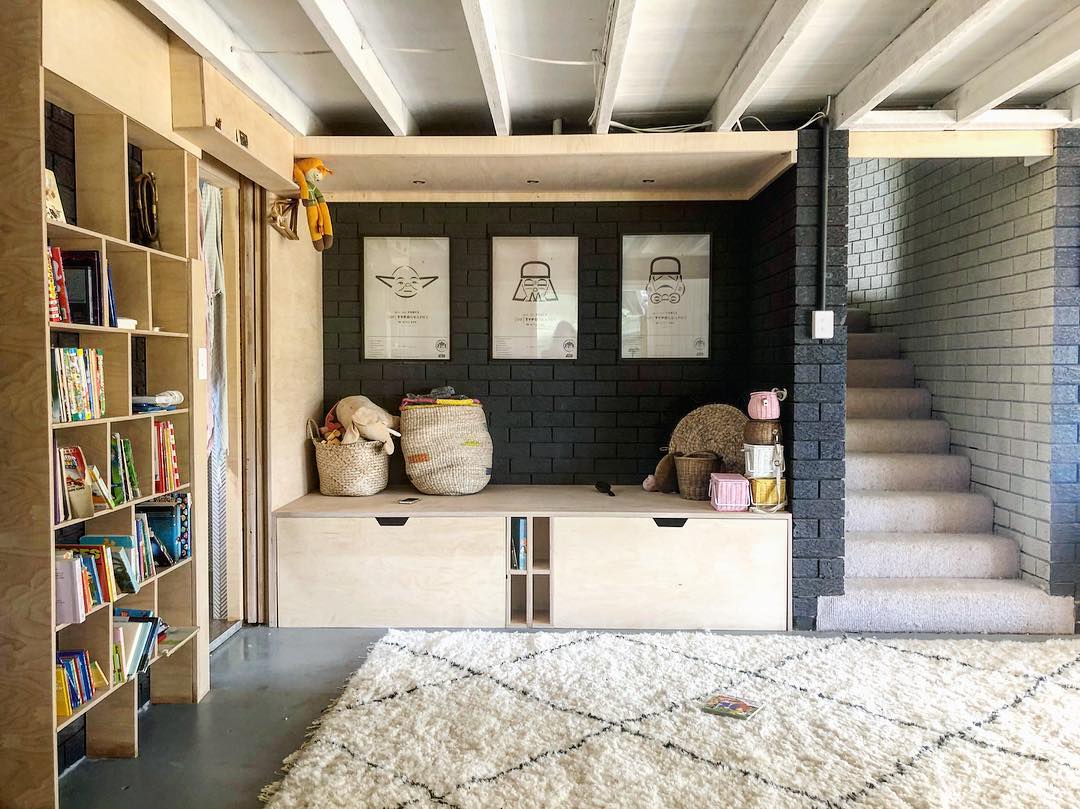
The pale wood bench turns this dark brick recess into a useful extension of the family room. Its broad top provides a perch, while closed compartments hide the things that usually collect in an unused corner.
A narrow central opening keeps a few books within reach. Borrow the arrangement by measuring the recess carefully, including any baseboards and door clearance, before planning a fitted seat.
Use a washable cushion if you want a softer place to read. The neighboring open shelves make toys and books easy to find without exposing everything at once.
Keep the bench top mostly free, and group loose items in baskets so the corner can quickly switch between sitting, playing, and tidying at the day's end.
2. Tuck a Flexible Desk Beside the Window
Credits: Instagram
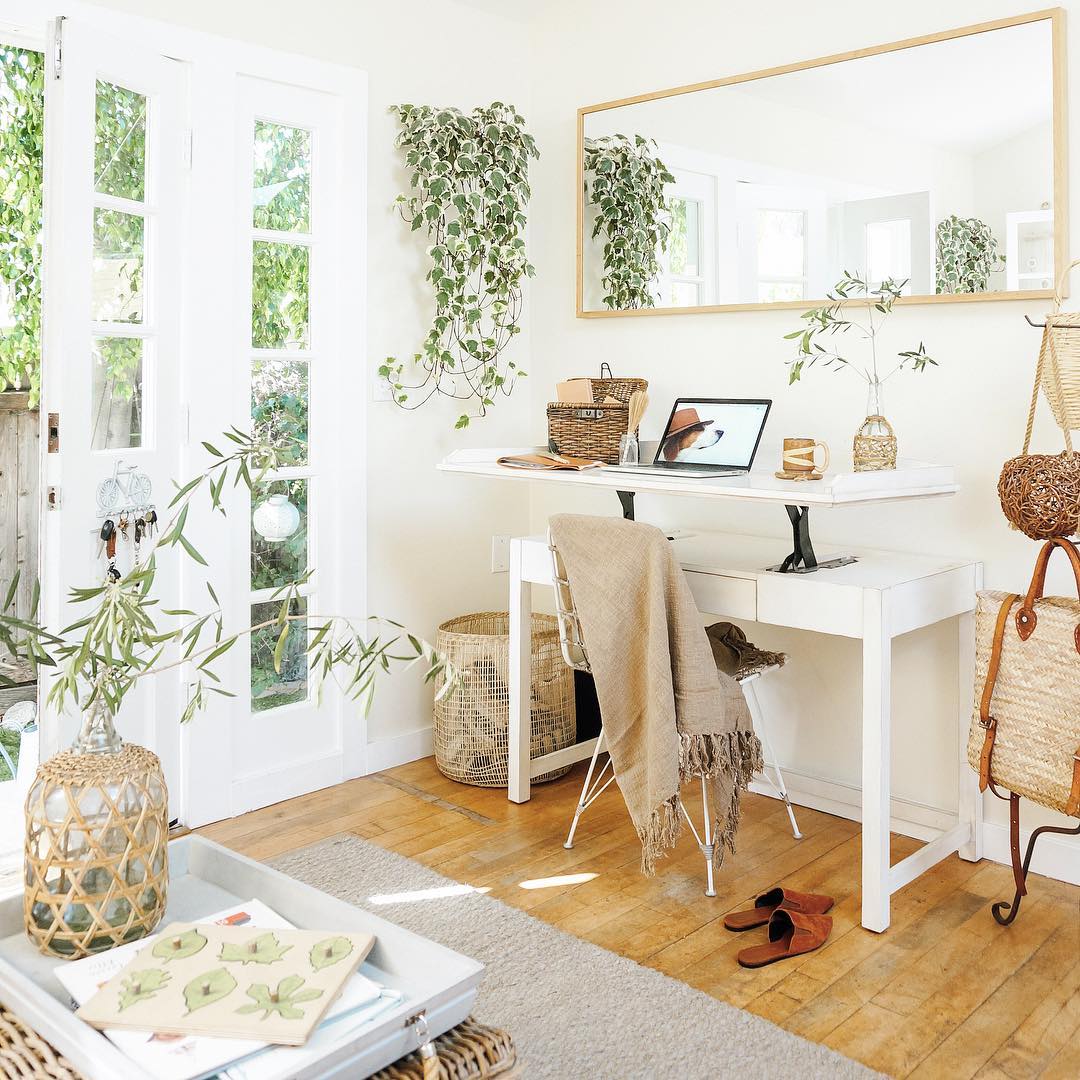
A compact white desk gives this bright living room corner a second job without overwhelming the space. Its slim legs, matching chair, and pale finish allow the greenery and wood floor to remain prominent.
The desktop lifts for standing work, while the drawers offer somewhere to put small essentials afterward. Choose a desk deep enough for your actual equipment, and check that the chair can tuck underneath when you finish.
Position the screen to avoid glare from nearby windows. A wall mirror adds visual depth above the work surface, and a hanging plant uses the upper corner.
Keep cables gathered behind the desk and store supplies in one basket so the setup feels settled into the room between working sessions.
3. Fill a Narrow Gap With a Book Tower
Credits: Instagram
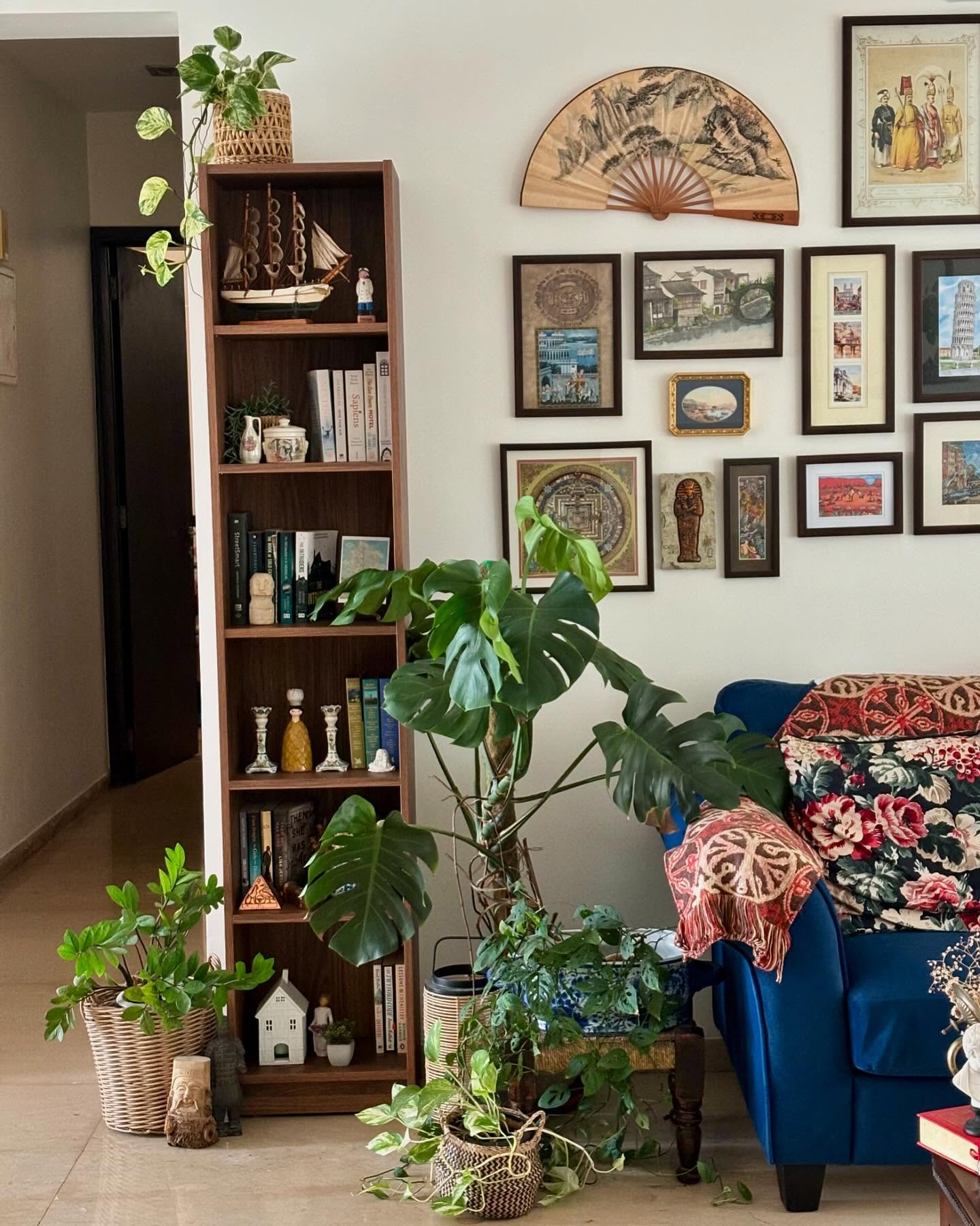
The tall, narrow bookcase makes productive use of the small strip of wall beside this blue sofa. It holds books, a model ship, and collected objects without the footprint of a wide storage unit.
Its warm wood finish also connects the darker picture frames to the surrounding plants. Measure the available width and the route past the sofa before choosing a similar piece.
Secure tall furniture as directed by its manufacturer, then place heavier items on lower shelves. Mix upright books with a few larger objects so each shelf has a clear purpose.
Let one trailing plant soften the top, and leave enough access around the base to reach books and water plants without shifting the whole arrangement every time.
4. Create a Compact Listening Corner
Credits: Instagram
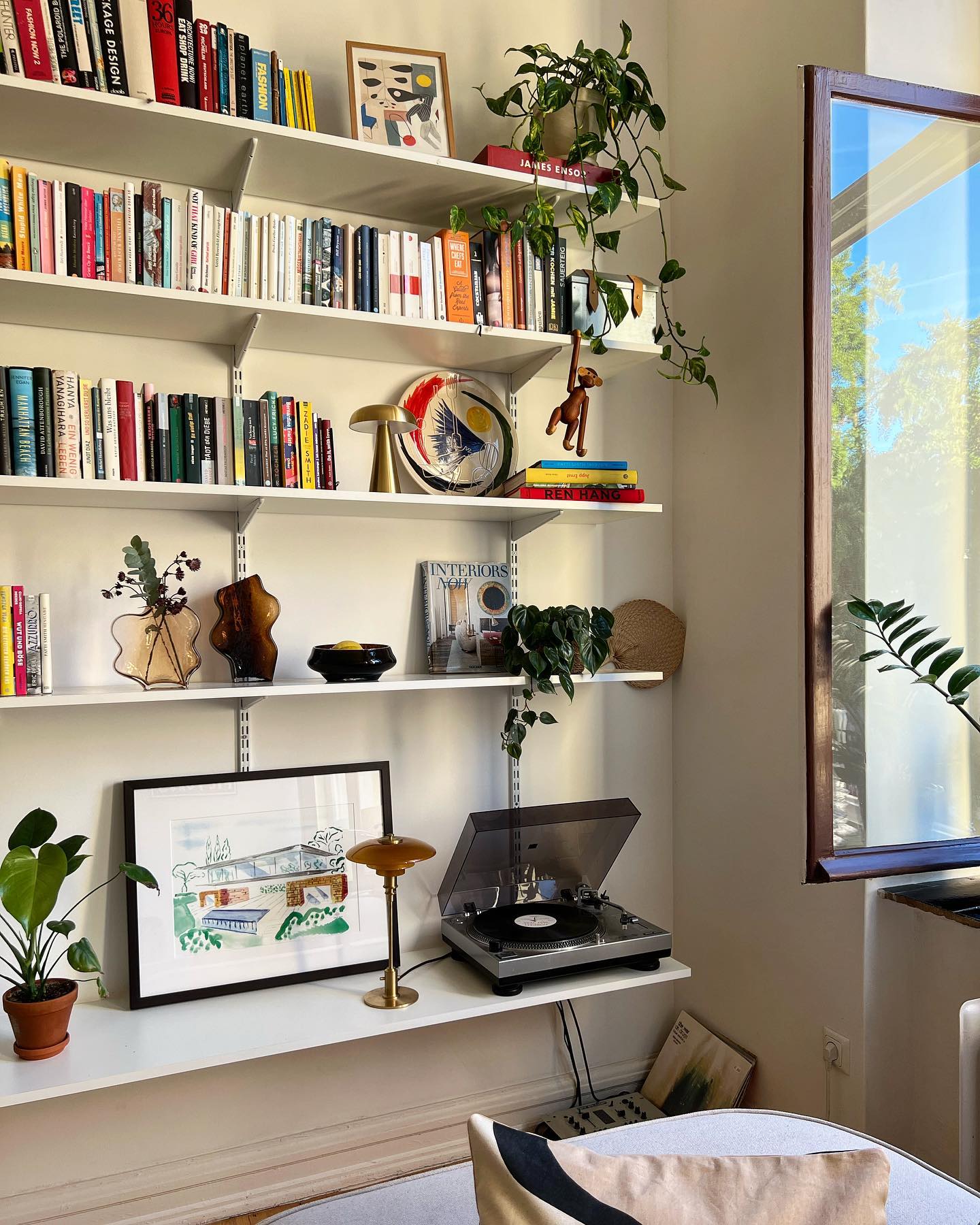
A record player gives the lowest shelf in this book filled corner a clear purpose. Books and favorite objects occupy the levels above, while small lamps provide a warmer alternative to overhead lighting.
The open window and pale shelving keep the arrangement feeling light despite the generous storage. Start with a stable shelf or cabinet that supports your equipment safely and allows the turntable lid to open fully.
Leave ventilation space around electronics and follow their placement guidance. Keep frequently played records nearby in an upright holder, away from direct sunlight.
A chair within reach completes the listening spot. Repeat one shelf finish across the wall to make the music equipment feel integrated with the living room's books and displays.
5. Light a Small Display Shelf
Credits: Instagram
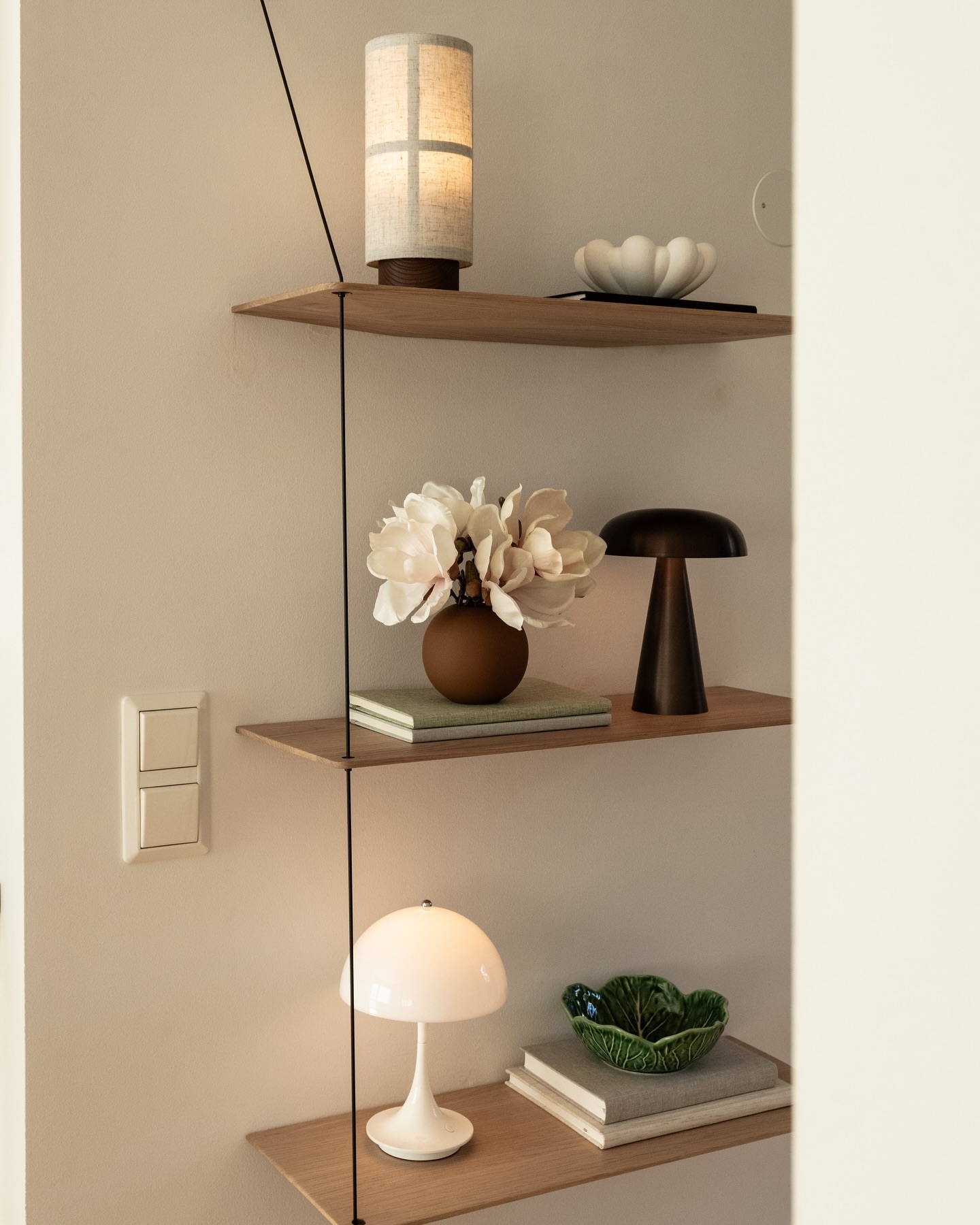
These slender wooden shelves turn a tight wall recess into a gently illuminated display. Their slim supports leave plenty of wall visible, while small lamps, pale flowers, and a green bowl give each level a distinct focal point.
This approach suits a corner where a full cabinet would crowd the floor. Check the shelf system's mounting requirements and weight limits before installation, especially when adding lamps or ceramics.
Arrange taller pieces toward the back and keep fragile objects clear of the edges. Run cables discreetly along the support or wall using suitable clips.
A restrained mix of wood, cream, and dark metal makes several small objects read as one arrangement. Leave breathing room between them so the light can spread.
6. Give an Armchair Its Own Gallery
Credits: Instagram
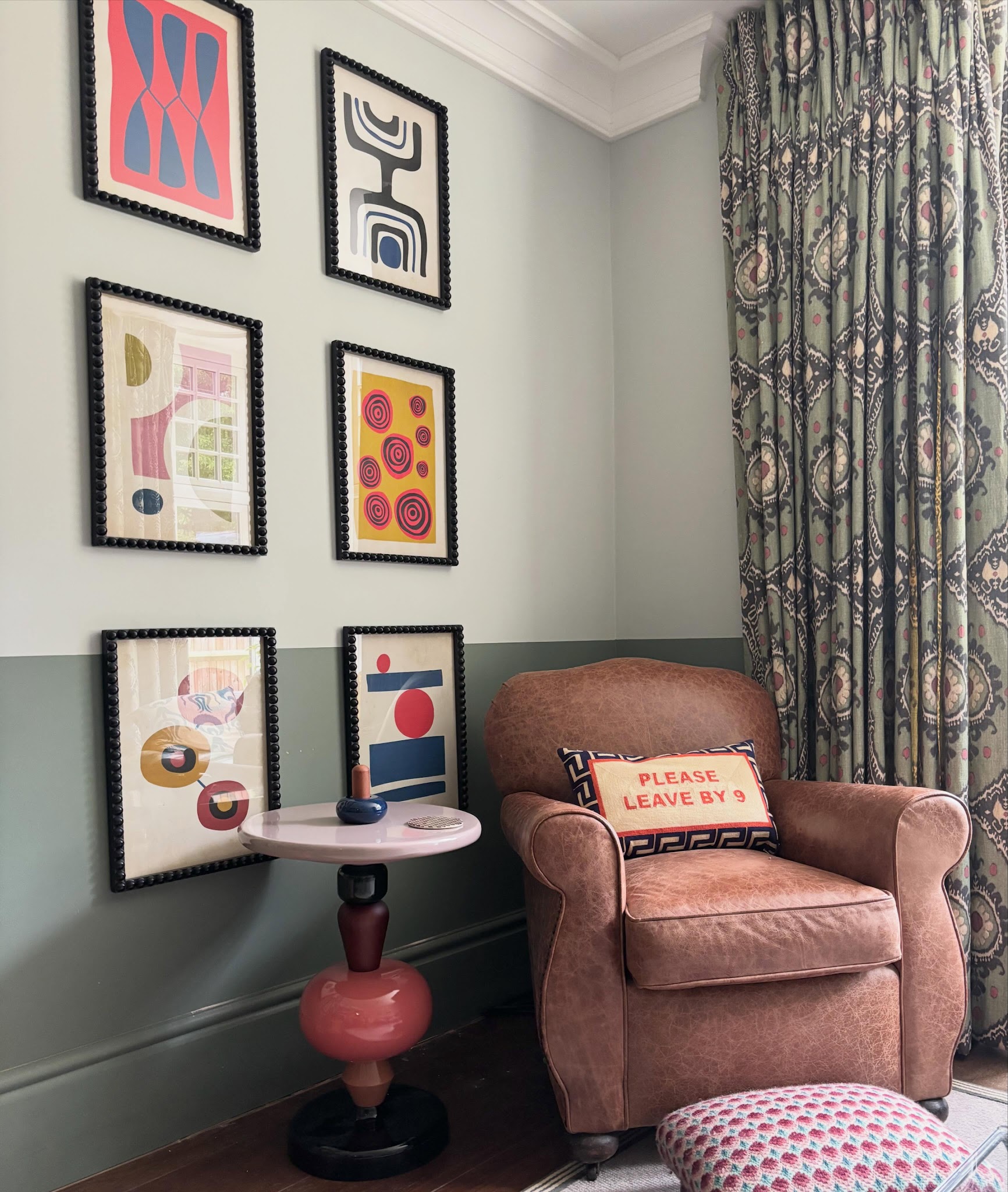
A soft brown armchair becomes the destination in this corner, with a small round table close enough for a drink. Six framed prints fill the adjacent wall, drawing attention upward without taking more floor space.
The patterned curtain and small footstool repeat colors from the artwork, making the separate pieces feel connected. Try the chair in place before buying extra furniture, and make sure it faces comfortably into the room.
Choose a table near arm height so reaching feels natural. Lay the picture arrangement on the floor first, keeping spacing consistent between frames.
A cushion adds support while the footstool can move aside when guests arrive. Keep curtain movement clear, and provide a suitable nearby reading light for evening use.
7. Fit a Serving Station Into a Recess
Credits: Instagram
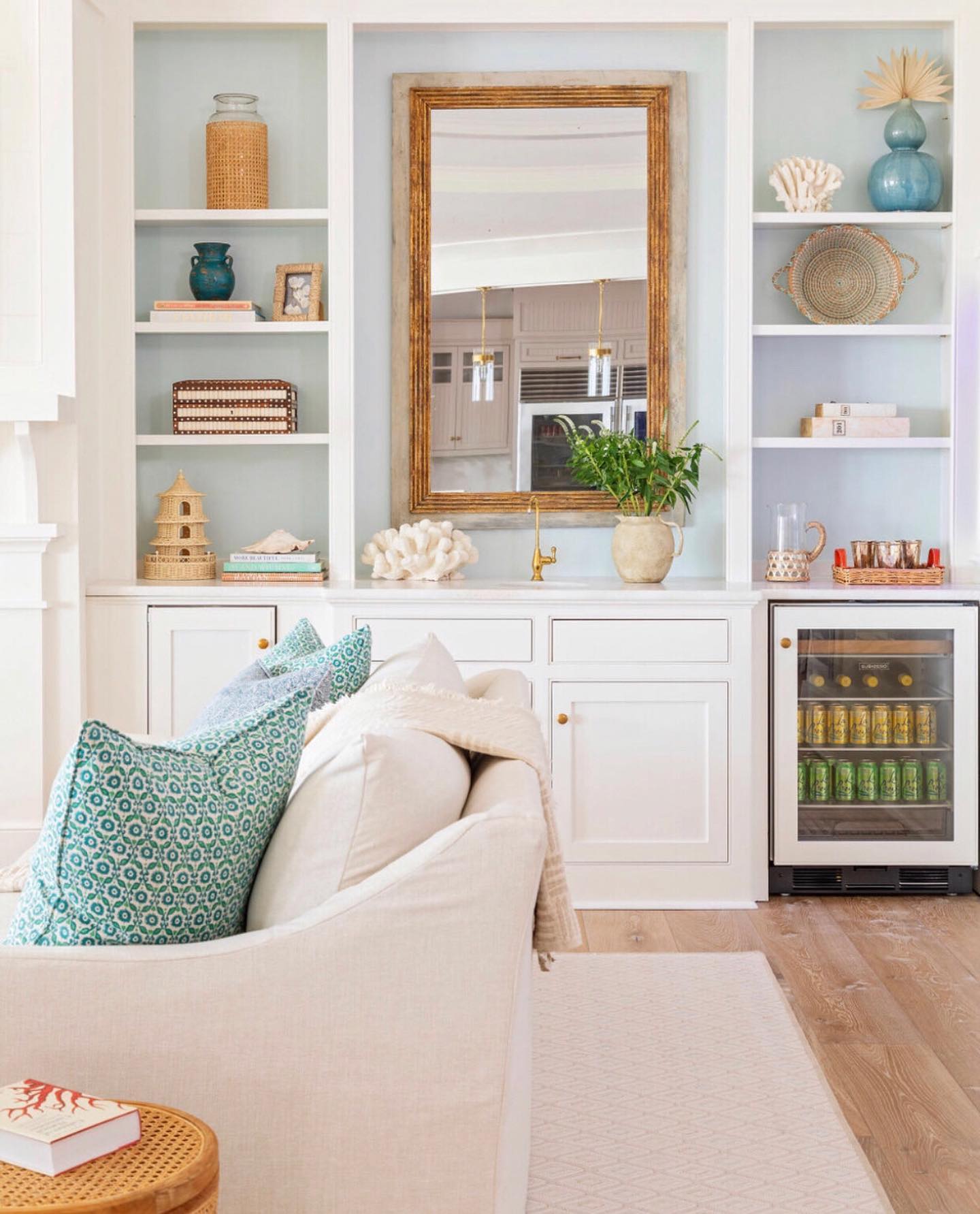
This built in drinks area turns a living room recess into a practical extension of the seating space. Closed cabinets conceal supplies, a small refrigerator keeps refreshments nearby, and open shelves provide room for a few decorative pieces.
The pale cabinet finish blends with the sofa, while the central mirror adds depth above the counter. For a simpler version, fit a freestanding cabinet into your corner and use its top as a serving surface.
Measure the available depth carefully so doors and drawers can open beside furniture. Keep electrical and plumbing work with qualified professionals if adding appliances or a sink.
Leave a clear portion of counter for pouring drinks, and store everyday supplies where they are easy to reach.
8. Set Up a Corner for Games
Credits: Instagram
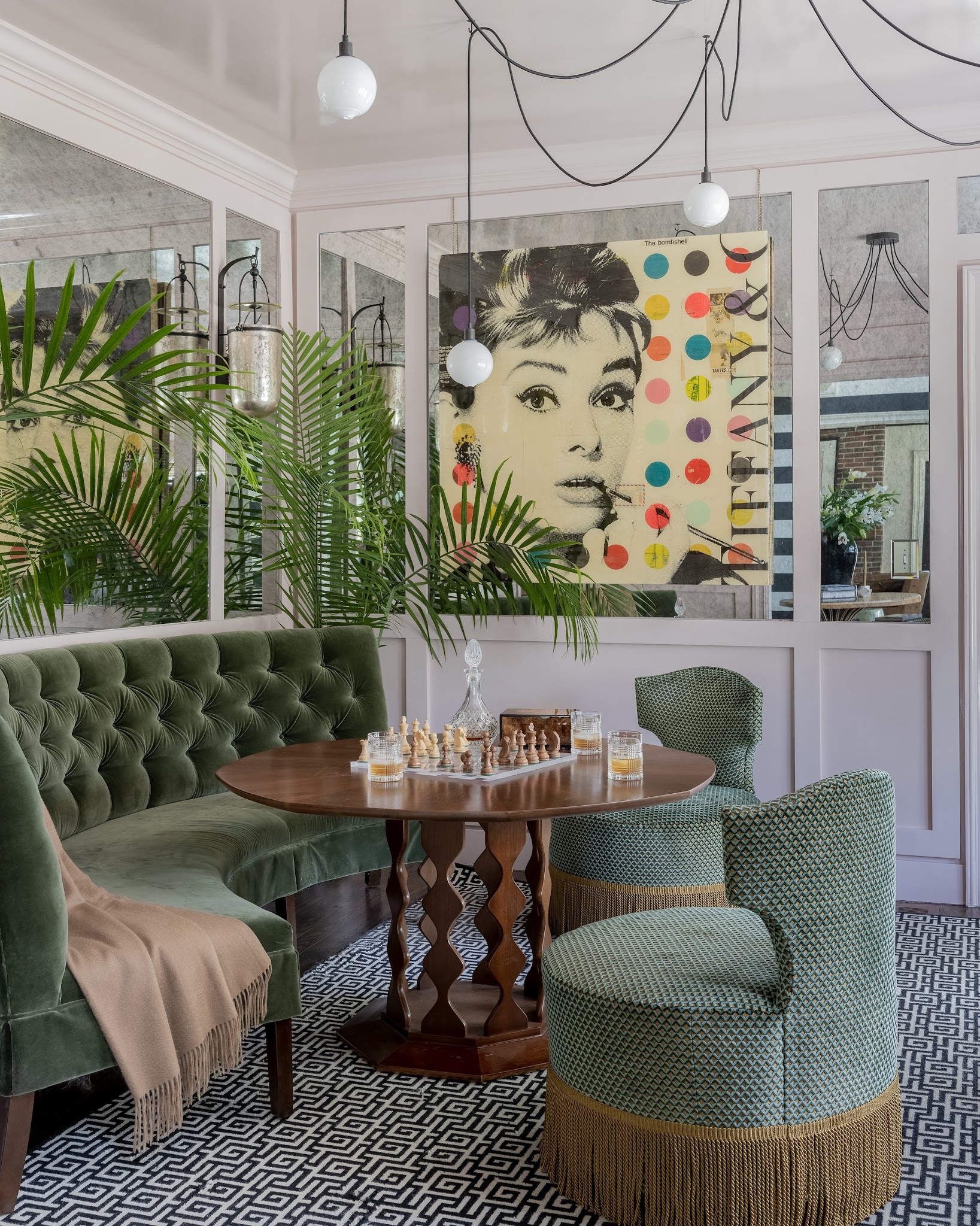
A tufted bench and two compact chairs turn this corner into a welcoming place for a game. The round table holds a chessboard, and its curved outline makes the arrangement easier to approach from different sides.
Mirrored wall panels and generous artwork give the nook presence within the larger room. You can borrow the function with a small table and an existing bench, provided the seat and tabletop heights work together.
Allow enough space to pull each chair back without blocking the main walkway. Choose lighting that reaches the playing surface, and keep a nearby drawer or basket for cards and game pieces.
Repeat colors from your main seating so this little activity area feels connected to the living room.
9. Use a Tall Mirror to Add Depth
Credits: Instagram
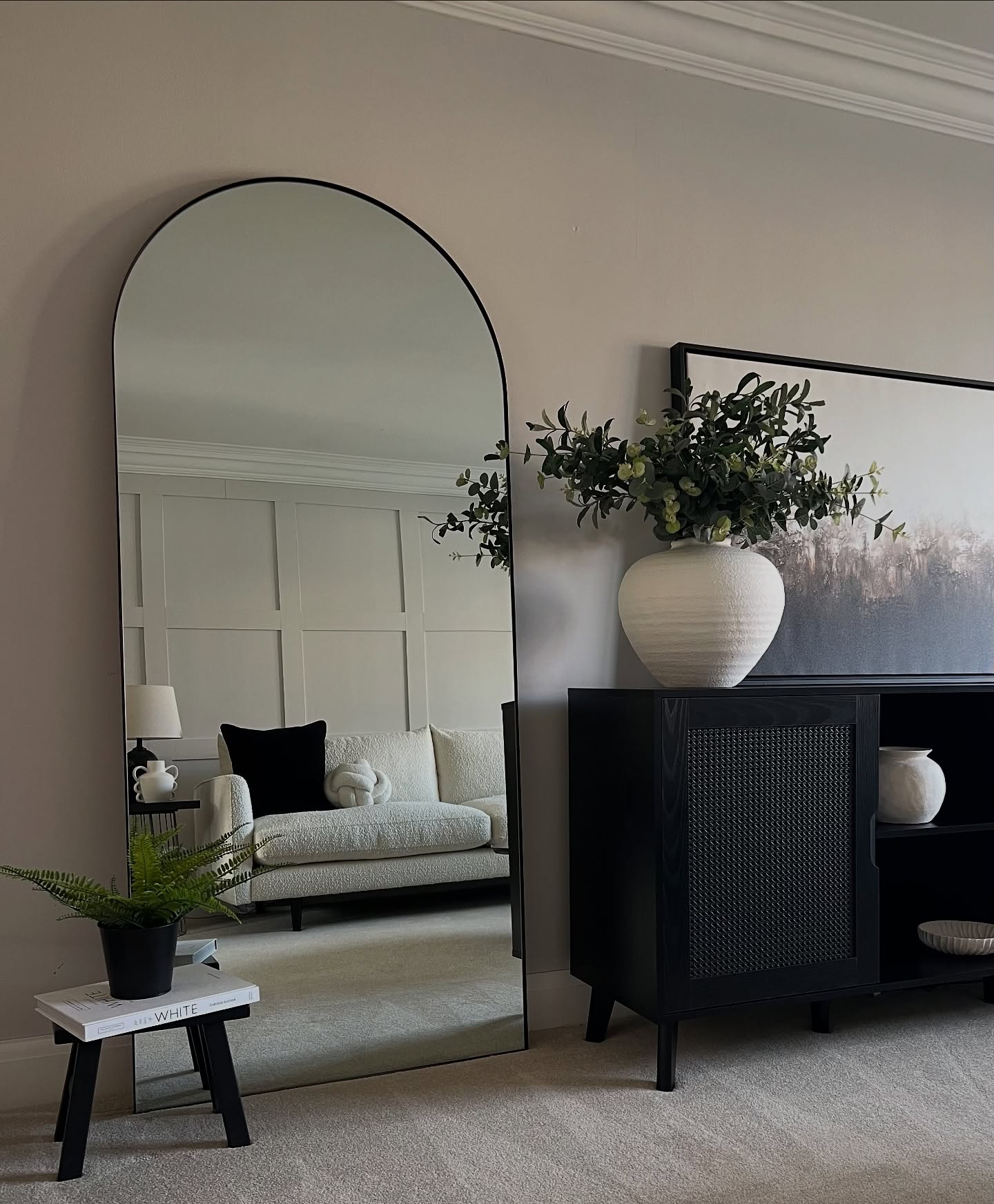
The arched floor mirror gives this quiet corner height while reflecting the sofa across the room. Its thin dark frame links to the nearby cabinet, creating a clear outline against the pale walls.
A small fern on a stool adds softness at floor level without covering the glass. Before choosing a mirror, test the reflection from the doorway and your usual seat.
Aim it toward a view you want to repeat, such as a window or an orderly seating area. Secure the mirror according to its mounting instructions, even if you prefer a leaning appearance.
Keep access to the cabinet clear and avoid crowding the base with objects. One small plant is enough to make the corner feel thoughtfully finished.
10. Park a Round Drinks Cart in the Gap
Credits: Instagram
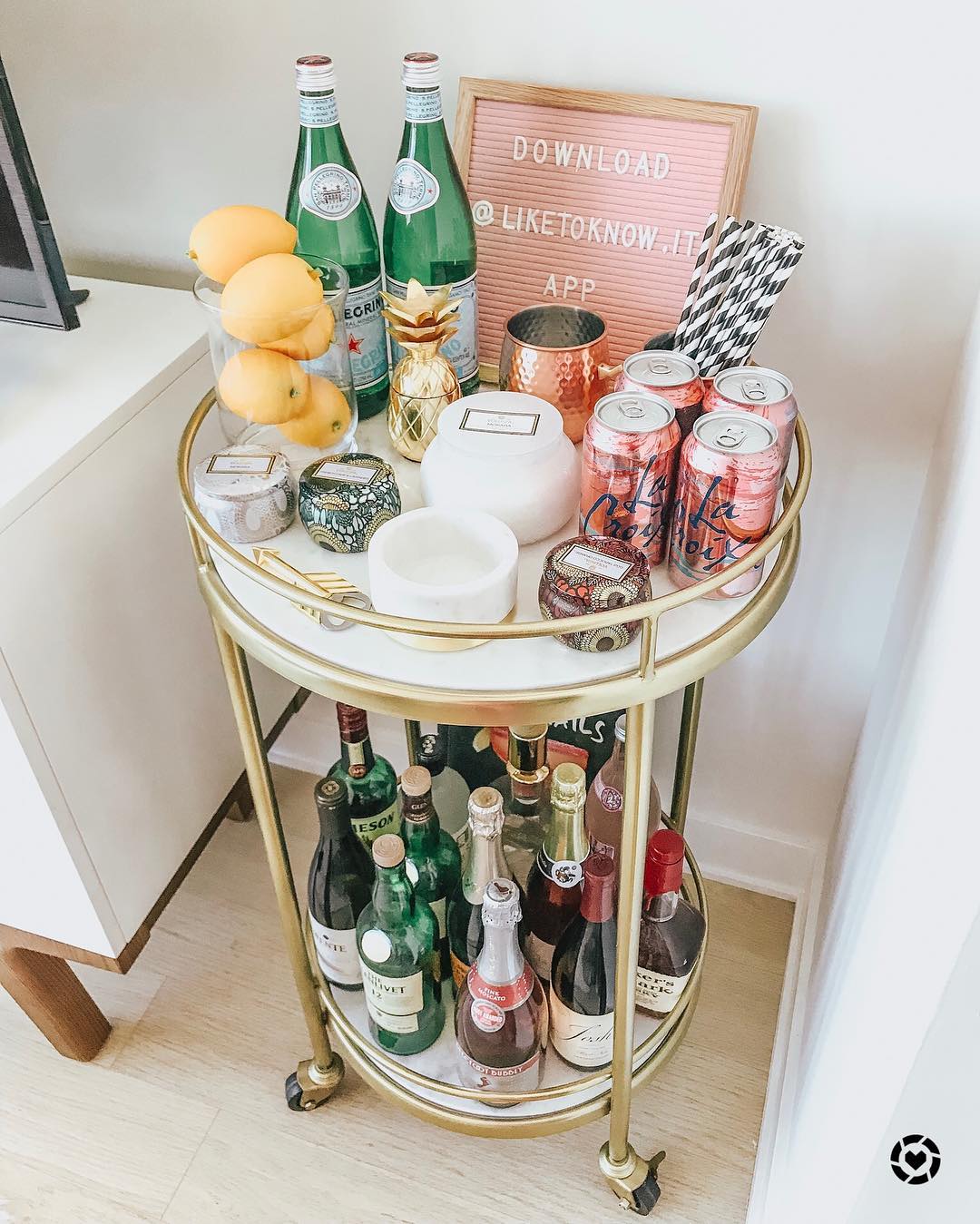
A round drinks cart fits neatly between the media cabinet and the wall, putting a narrow corner to work. Two levels separate taller bottles from smaller serving supplies, while the open metal frame keeps the arrangement visually light.
The curved edge is especially useful beside a walkway, although the cart still needs a position where nobody will knock it. Measure both its diameter and handle clearance before buying.
Store heavier bottles on the lower shelf, and reserve some open space above for preparing or setting down drinks. A small tray can keep accessories together.
Choose only the glasses and supplies you regularly use, then move occasional extras into a cabinet so the cart stays convenient when friends come over later.
11. Reach Over the Seating With an Arc Lamp
Credits: Instagram
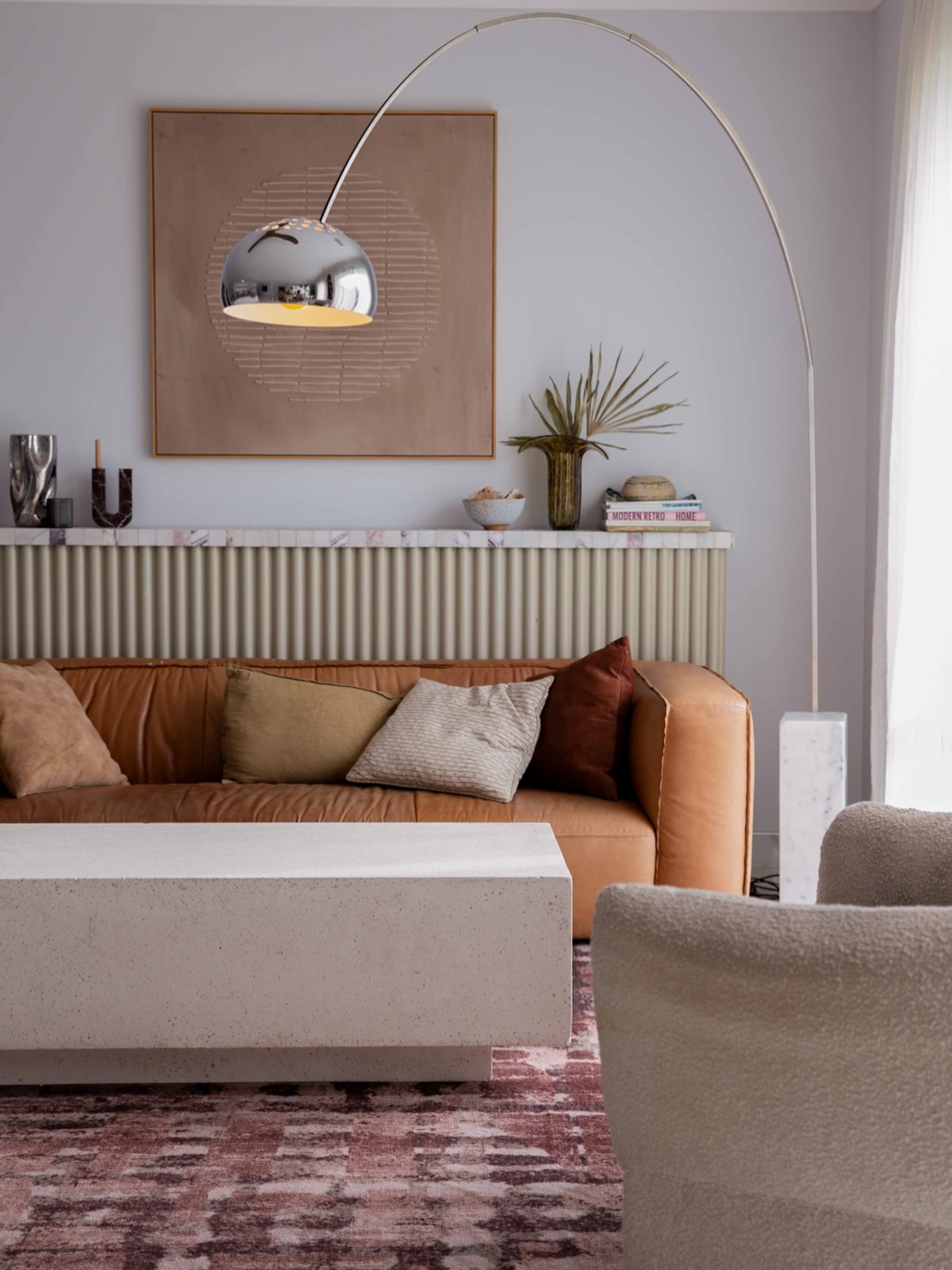
The long curve of this floor lamp brings light over the sofa while its base occupies the narrow space beside the curtain. That makes the corner useful without introducing another table.
The reflective shade and pale marble base also give the room a sculptural accent. Before choosing an arc lamp, measure the complete reach, base size, and shade height, rather than judging the stem alone.
Position the base where it will remain stable and the shade where people can sit or stand comfortably. Keep the cable along the perimeter instead of crossing the rug.
A simple wall arrangement behind the lamp allows its outline to stand out. Use a suitable dimmable bulb if you want softer lighting for quiet evenings.
12. Define the Corner With Vertical Slats
Credits: Instagram
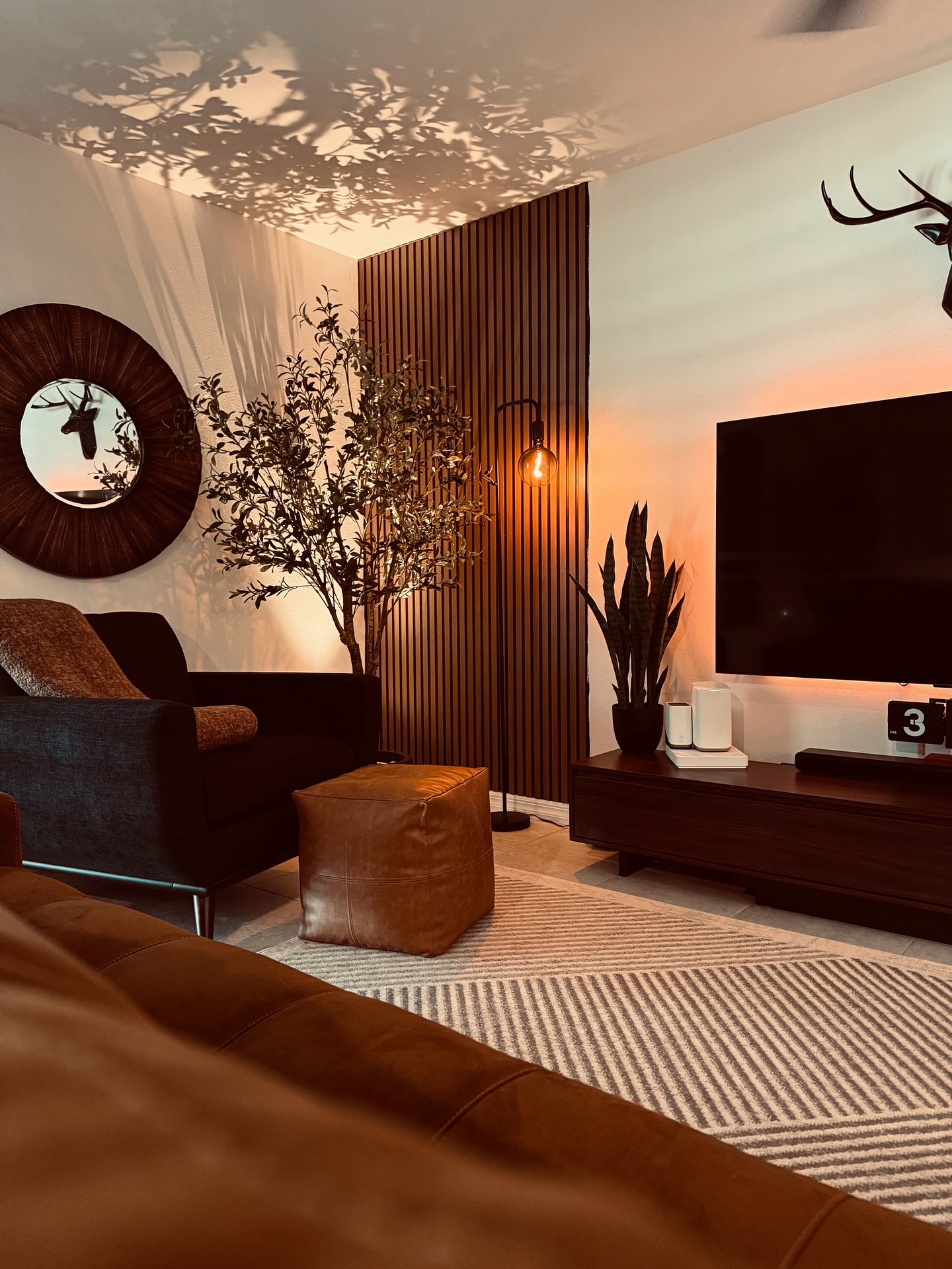
A narrow panel of wood slats gives this corner a strong vertical rhythm between the armchair and television. The warm light emphasizes the texture, while leafy shadows bring another layer to the pale ceiling.
The panel adds definition without needing a large cabinet or another seat. Mark out the proposed width on the wall first, checking how it relates to the furniture and baseboards.
Choose a wood tone that already appears in the room so the new detail feels connected. Keep the rest of that wall simple, and leave access to any outlets or controls.
A small floor lamp can add evening warmth. Keep its light outside your television's reflection zone so the feature remains comfortable when watching a movie.
13. Raise a Plant on a Decorative Pedestal
Credits: Instagram
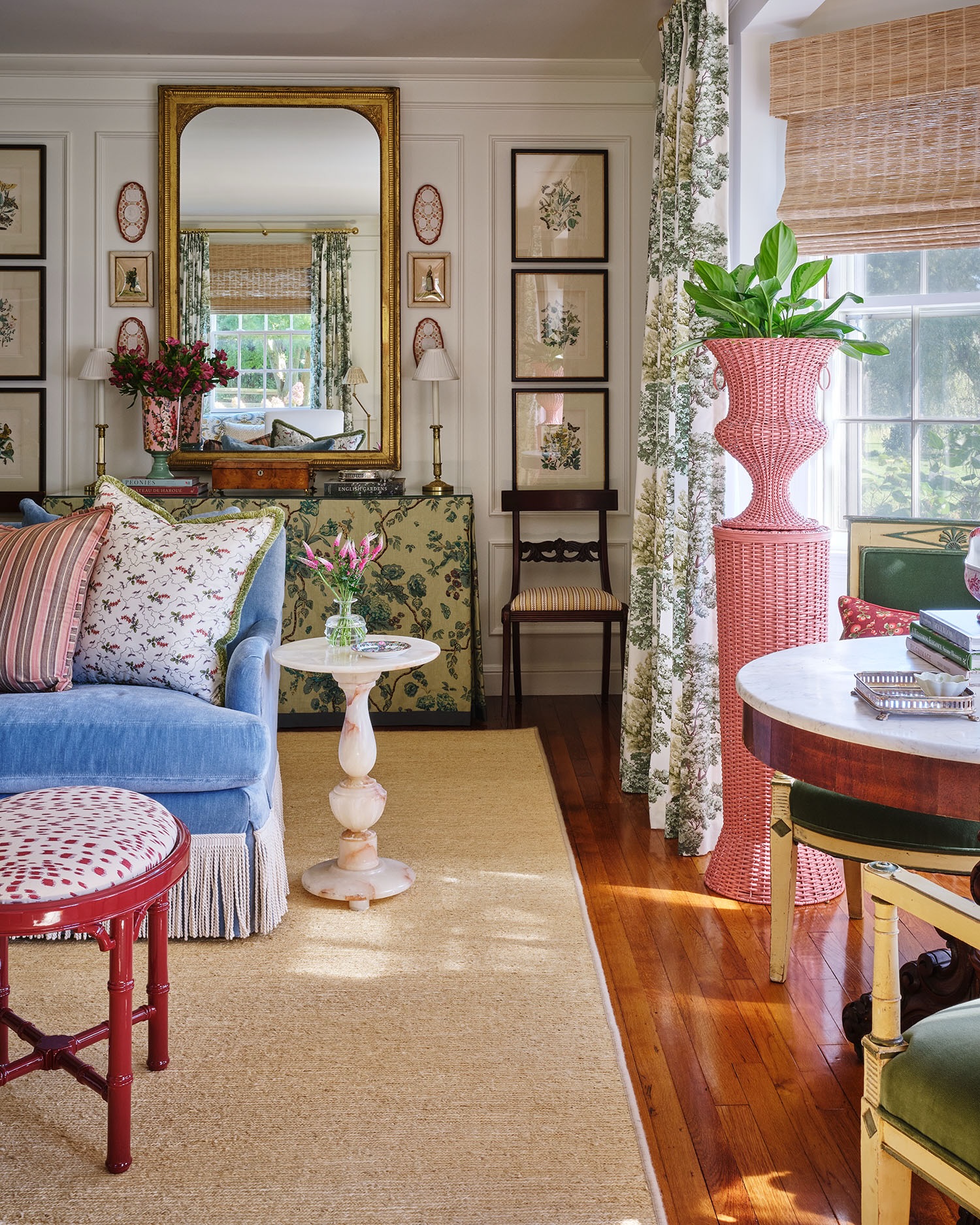
The pink pedestal gives a leafy plant enough height to hold its own beside the tall window. Its narrow footprint fits between the seating and dining furniture, while the woven texture adds detail to the otherwise formal room.
You can use the same idea with a sturdy plant stand or a small column that suits your decor. Check the combined height and width of the stand, pot, and foliage before placing it near curtains.
A stable base matters more than dramatic height. Use a watertight liner and remove the plant for watering to protect the stand and floor.
Repeat the pedestal's color in one nearby cushion or accessory, then keep the surrounding floor clear so the shape can be appreciated.
14. Wrap the Corner With a Sectional
Credits: Instagram
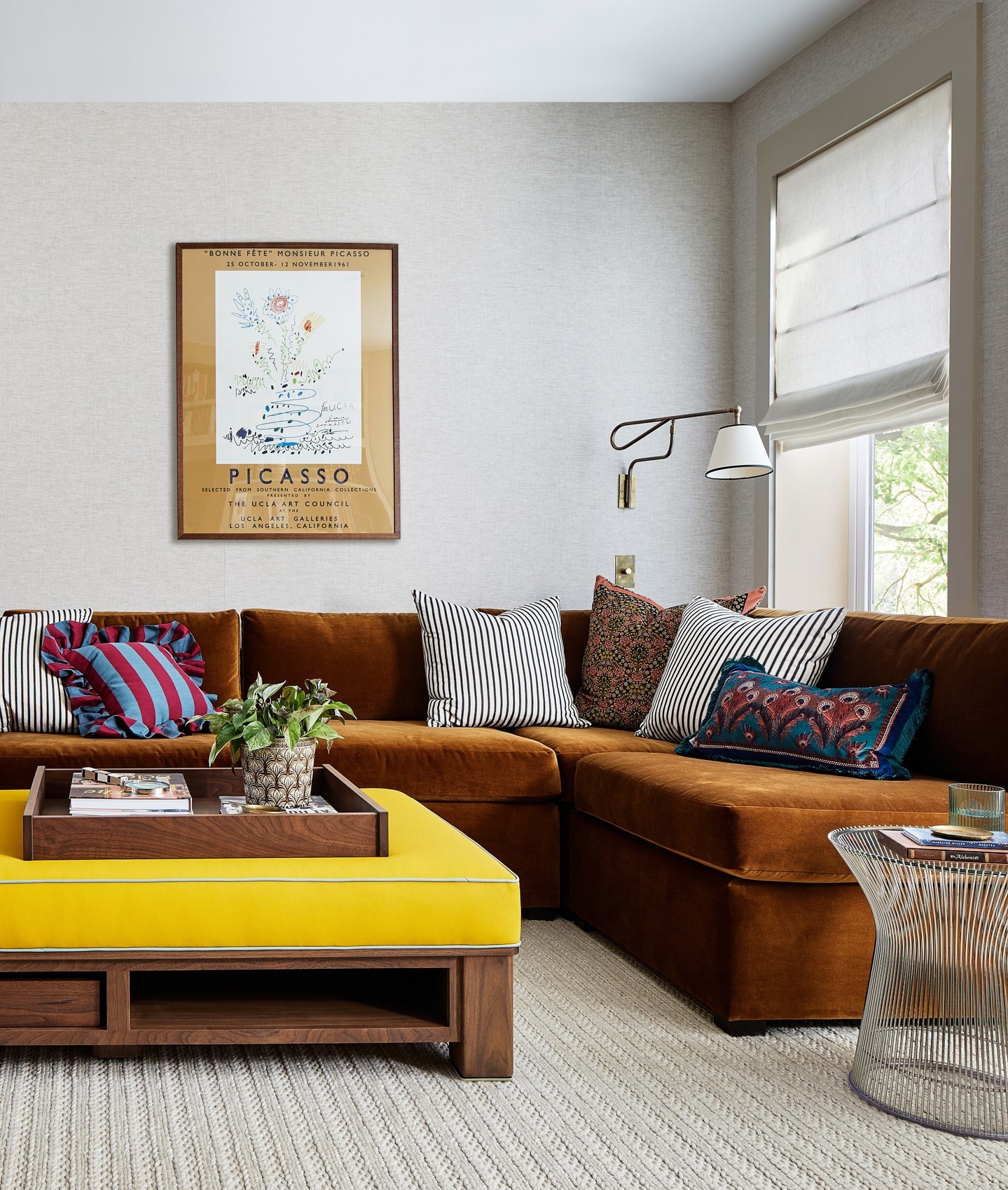
This brown sectional follows two walls, turning the corner into part of the main seating arrangement. The low back leaves room for artwork and a wall light, while a bright upholstered ottoman introduces contrast at the center.
A corner sofa works best when its dimensions suit both walls and the routes through the room. Tape the footprint on the floor before ordering, including the depth of each section and any reclining clearance.
Keep the nearest window treatment usable and choose a small side table that can be reached without stretching. A wall light avoids squeezing a floor lamp behind the cushions.
Limit the pillows to comfortable layers so the corner seat remains somewhere people can actually sit during an evening.
15. Soften a Window Corner With Curved Seating
Credits: Instagram
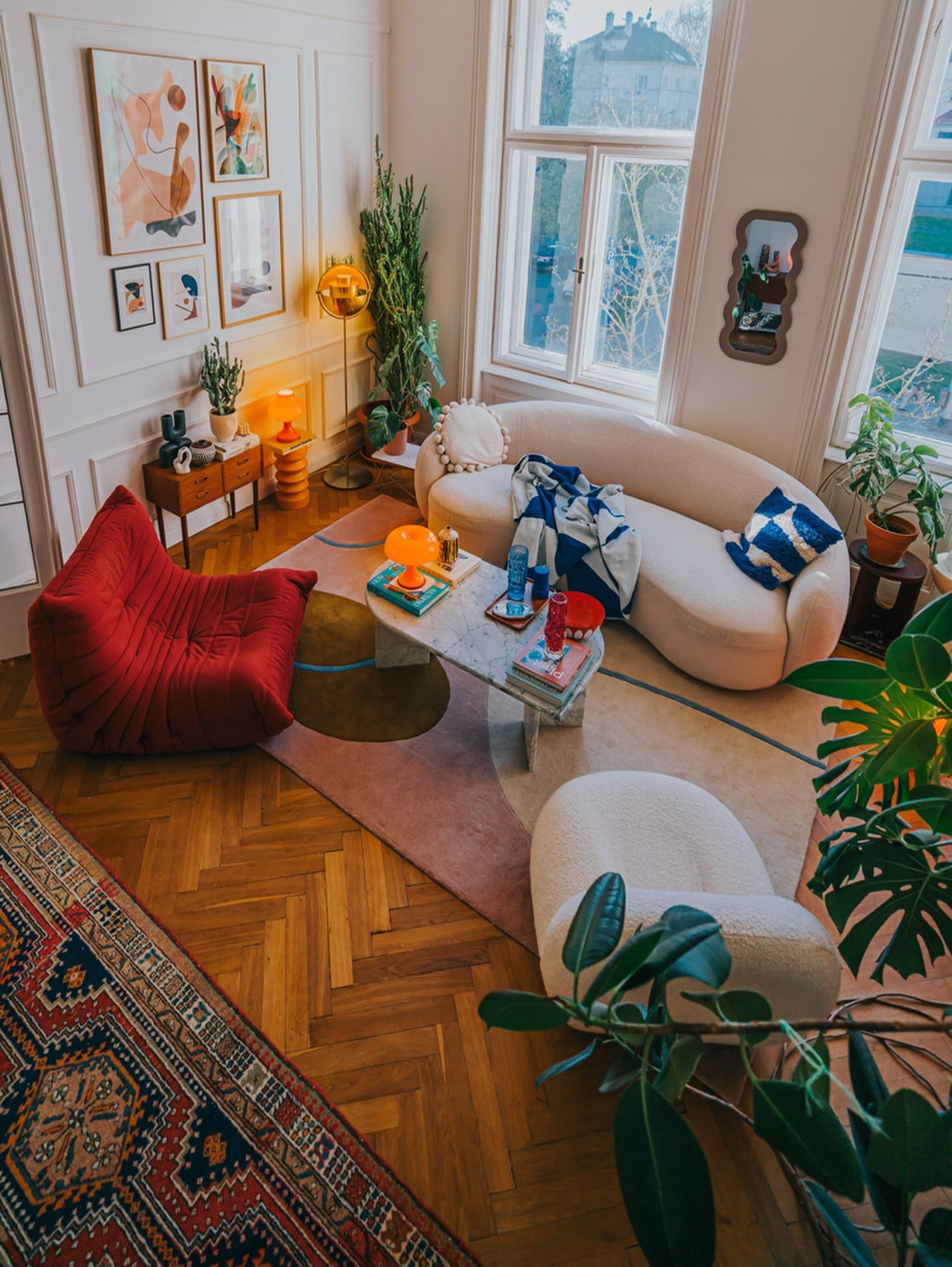
The rounded white loveseat softens the angular meeting of paneled walls and tall windows in this colorful living room. Its curved arms make the seating area feel inviting, while the nearby red lounge chair adds a different silhouette.
A small rug gathers the pieces into one defined zone. Borrow the approach when a broad corner needs extra seating but a bulky rectangular sofa would dominate it.
Check the actual seat width, because curved arms can reduce usable space. Allow curtains, windows, and nearby doors to operate freely.
Choose a compact table that follows the seating's softer lines, and repeat a cushion color elsewhere in the room. Leave some floor visible around the furniture to preserve the lightness of the arrangement.
16. Add a Movable Footstool and a Basket
Credits: Instagram
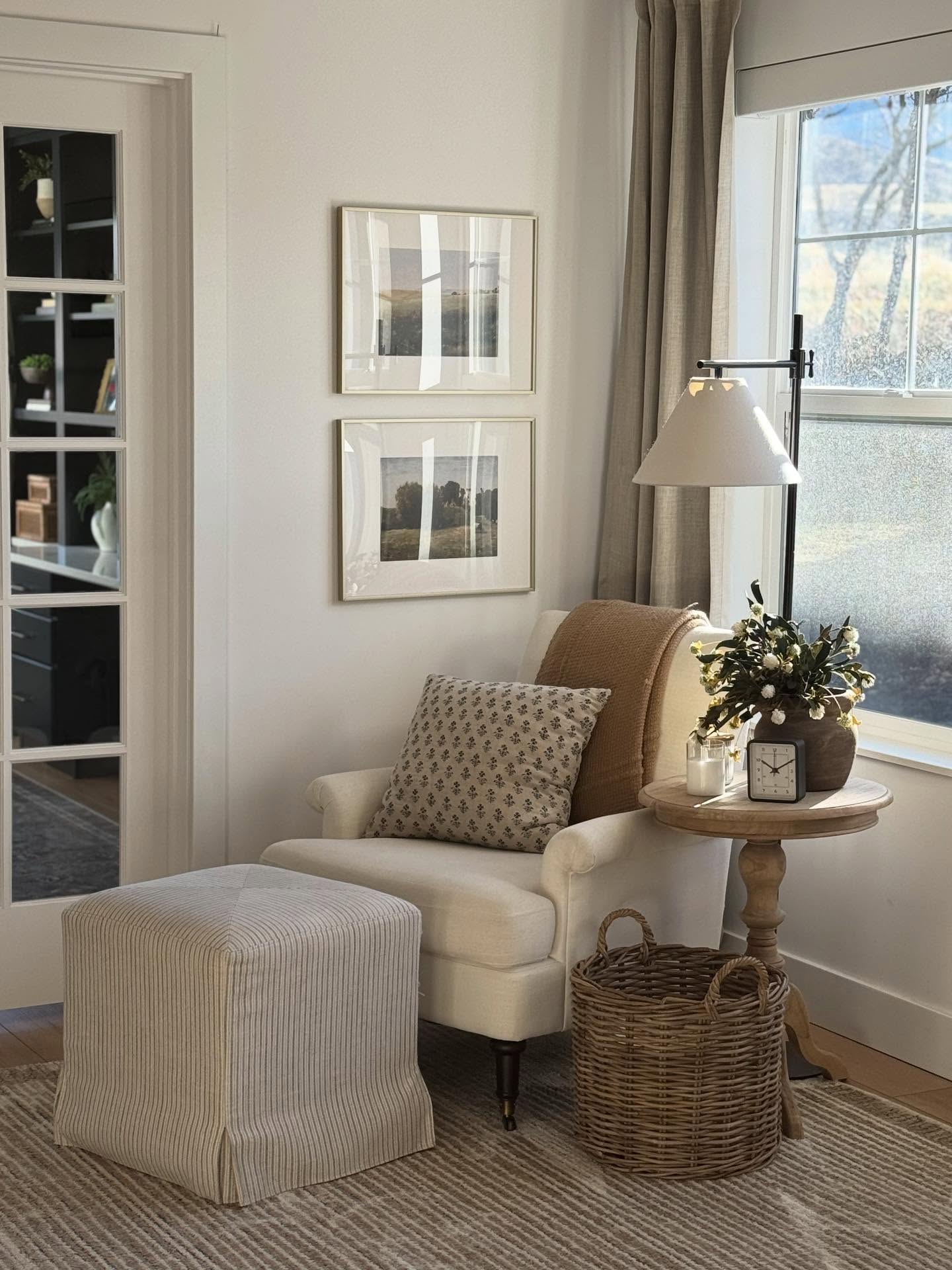
An upholstered footstool makes this chair feel more comfortable without committing the corner to a full chaise. Its compact square shape can move aside when the walkway needs more space.
A basket beside the chair gives loose throws or reading material somewhere to land, while the round table keeps everyday items within reach. Choose a footstool that works with the chair's seat height and feels easy to move.
Test the arrangement with someone seated before deciding where the table belongs. A removable cover is useful in a spot that gets regular use.
Keep the basket small enough to lift comfortably, and avoid filling the floor with extra accessories. The simple arrangement leaves the window and neighboring doorway feeling open too.
17. Choose a Beanbag for Flexible Lounging
Credits: Instagram
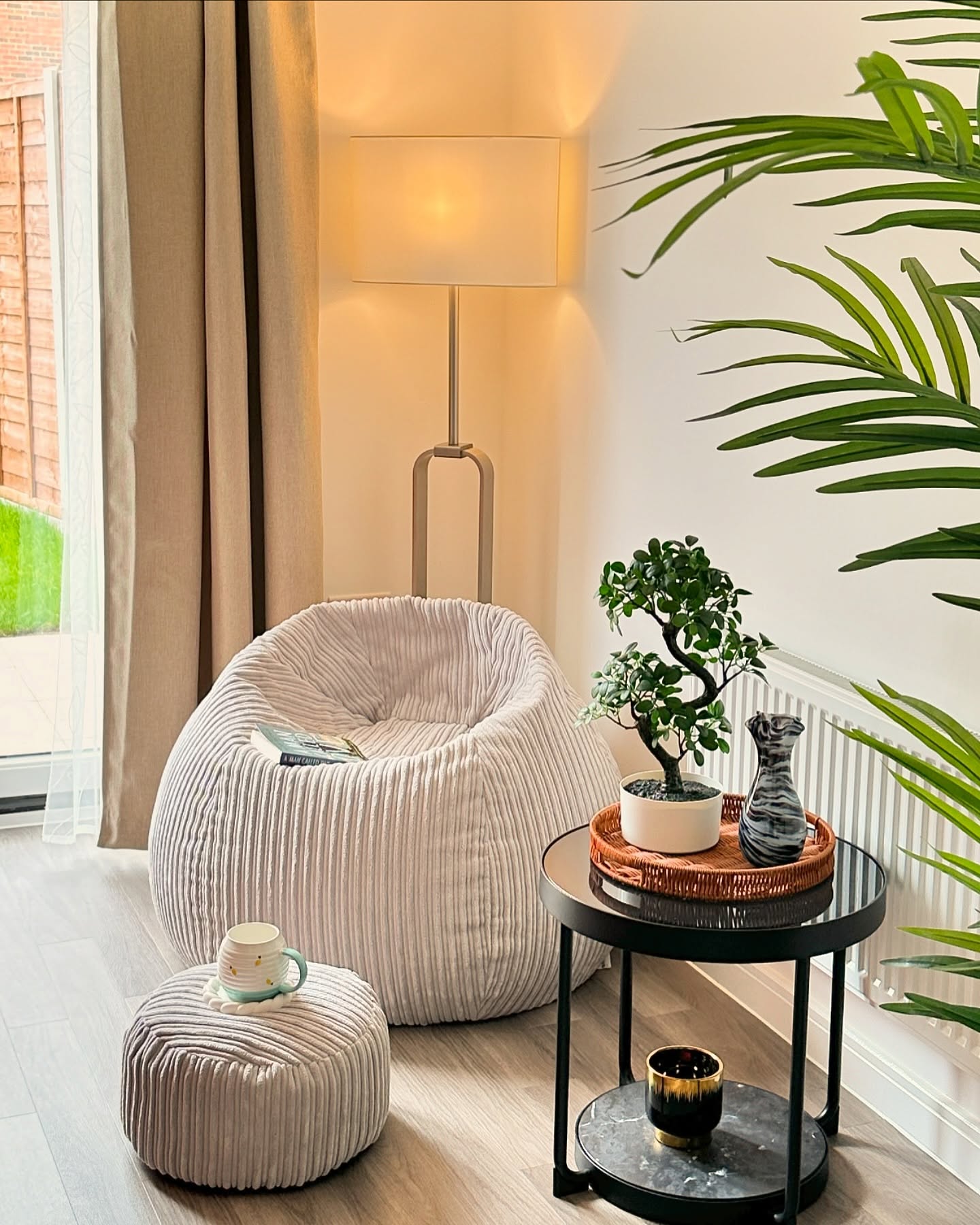
A pale corduroy beanbag gives this corner a relaxed place to sit, with a matching footrest that can move independently. The tall lamp supplies height behind it, and a compact round table keeps the arrangement useful.
This is a good option when you want an occasional lounging spot that can shift around the room. Check the filled dimensions before buying, since a beanbag may spread wider than expected once occupied.
Choose a removable, washable cover and a securely enclosed filling compartment. Keep it clear of the radiator and leave curtains free to move.
Place drinks on the stable table instead of the soft footrest. A restrained palette helps this casual seat sit comfortably alongside the rest of your living room.
18. Place an Antique Chest Behind a Chair
Credits: Instagram
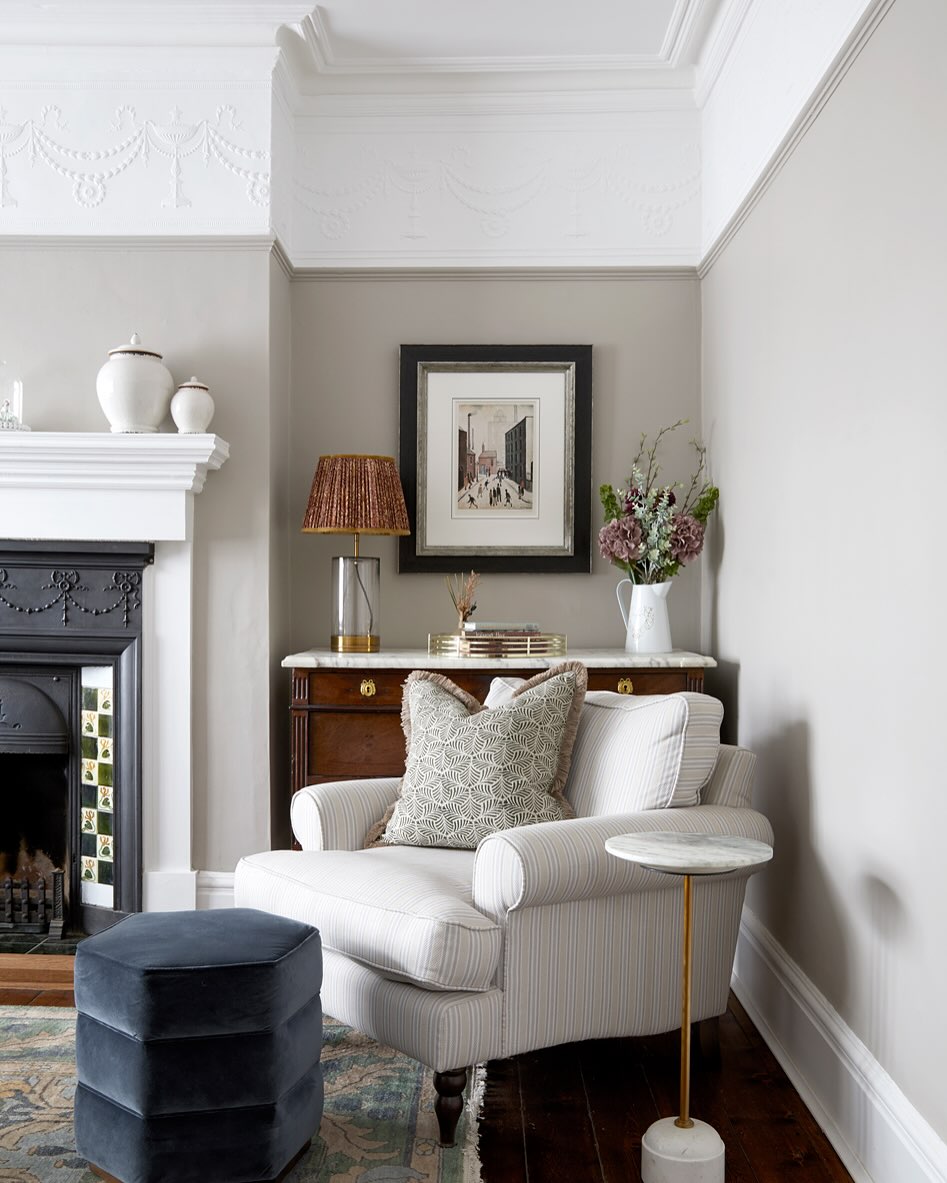
The wooden chest fills the alcove behind this armchair, providing storage and a surface for a lamp. Its pale stone top relates to the slim drinks table, while the warm wood keeps the neutral corner from feeling flat.
The designer chose an antique piece that fit the recess, showing why measurements should come before shopping. Record the usable width, depth, and any baseboard projections, then check drawer access once the chair is in place.
Use the chest for items you need occasionally if the seat must move to open it. Keep the top arranged around a few useful pieces, leaving space for a lamp cord.
One framed picture above finishes the composition without competing with the decorative ceiling or fireplace.
19. Style a Ladder Shelf Beside the Television
Credits: Instagram
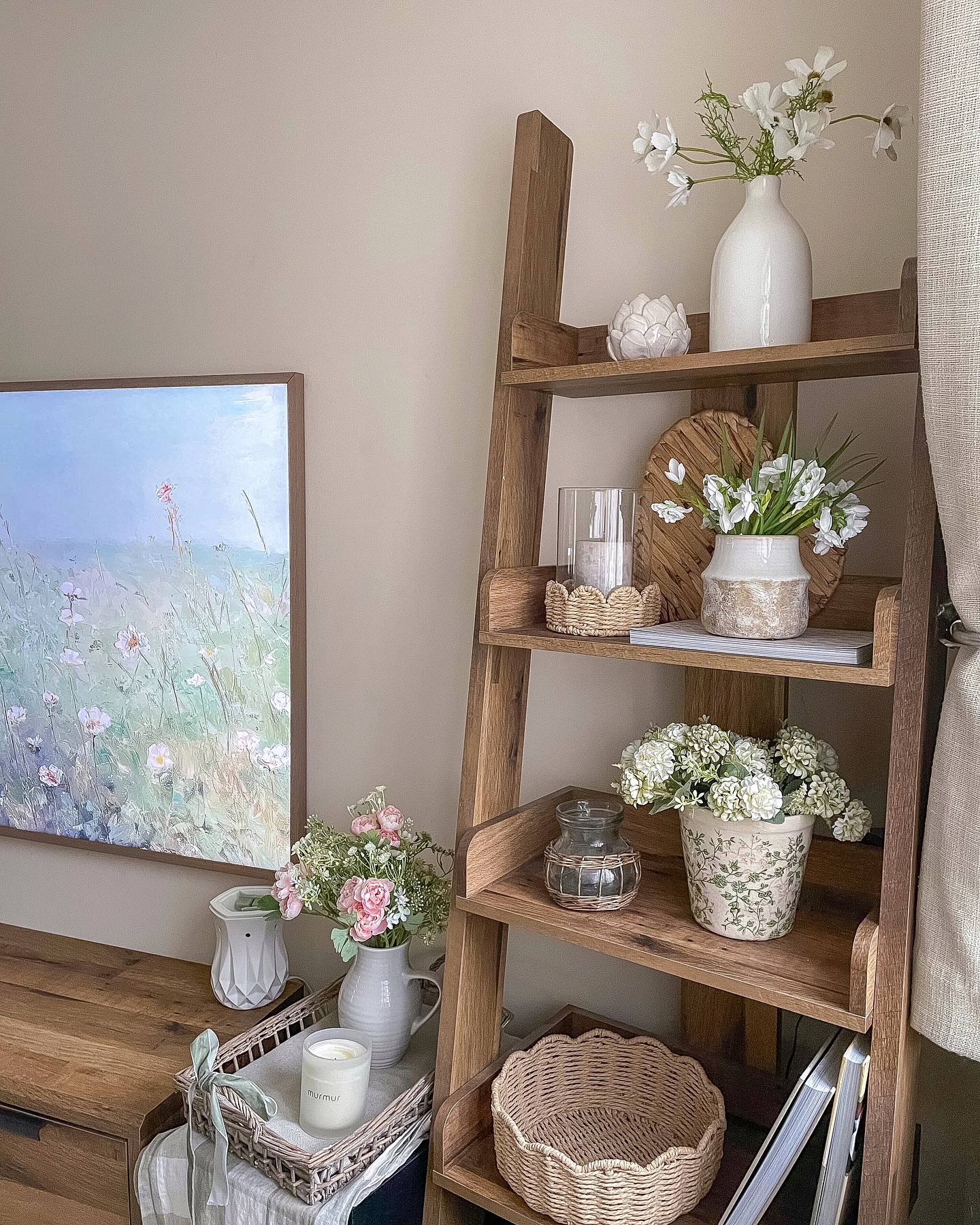
A wooden ladder shelf uses the narrow space beside this television for a changing display. Its open sides feel lighter than a solid cabinet, and the stepped shelves accommodate flowers, a woven basket, and a few books.
Matching the wood to the media unit helps the separate pieces read together. Measure the shelf's full depth at the floor before buying, and follow the manufacturer's anchoring instructions.
Keep heavier objects low and reserve the higher levels for lighter pieces. Repeat two or three materials across the shelves to prevent small objects from feeling scattered.
Leave room for the curtain to move, and avoid blocking access to equipment. Rotate a few seasonal stems instead of replacing every object whenever the room changes.
20. Let One Tall Tree Fill the Gap
Credits: Instagram
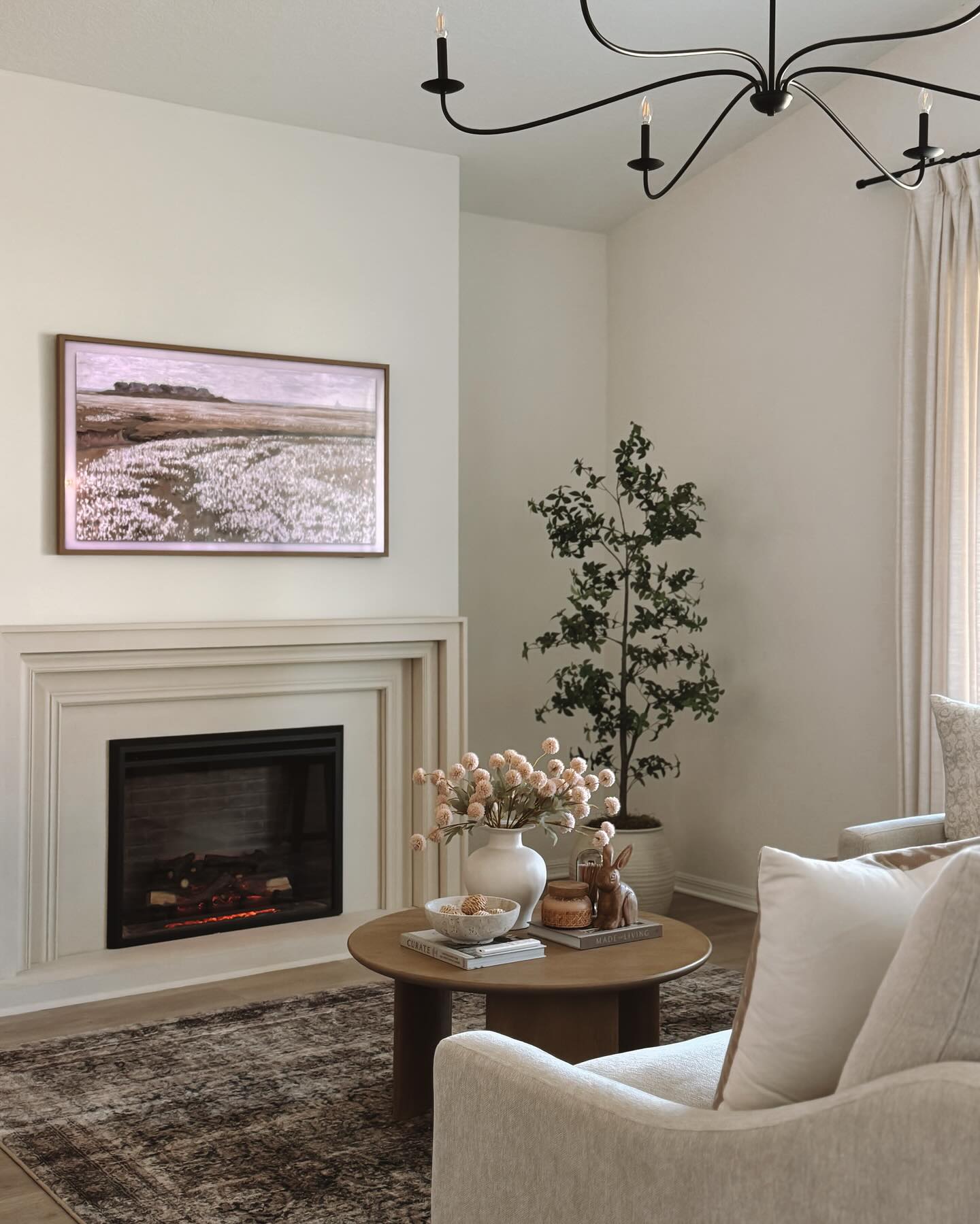
A tall tree fills the slender corner between the fireplace and window without adding another piece of furniture. Its airy branches break up the pale walls while leaving much of the surface visible.
The plain pot keeps the base quiet, allowing the foliage to provide the detail. Measure the available width at branch height as well as the pot's footprint, and keep window coverings clear.
If choosing a living plant, match it to the actual light in that corner and use a protective saucer. A convincing artificial tree can suit a darker spot if regular plant care is impractical.
Follow the fireplace's required clearances, keeping foliage away from heat. Finish with one substantial plant rather than several tiny scattered pots.