
A living room accent wall doesn’t have to rely on a bold paint color to stand out; shape, texture, and artwork can define it just as clearly.
Accent Walls In Living Room Ideas range from using a chimney breast as a natural boundary to adding rectangular molding or oversized dots for graphic structure.
You’ll also find ways to make a window wall feel unified with deep color and turn built-in bookcases into a continuous feature. These approaches help connect the wall to the fireplace, seating, and artwork without making every surface compete.
1. Use a Chimney Breast to Define the Accent
Credits: Instagram
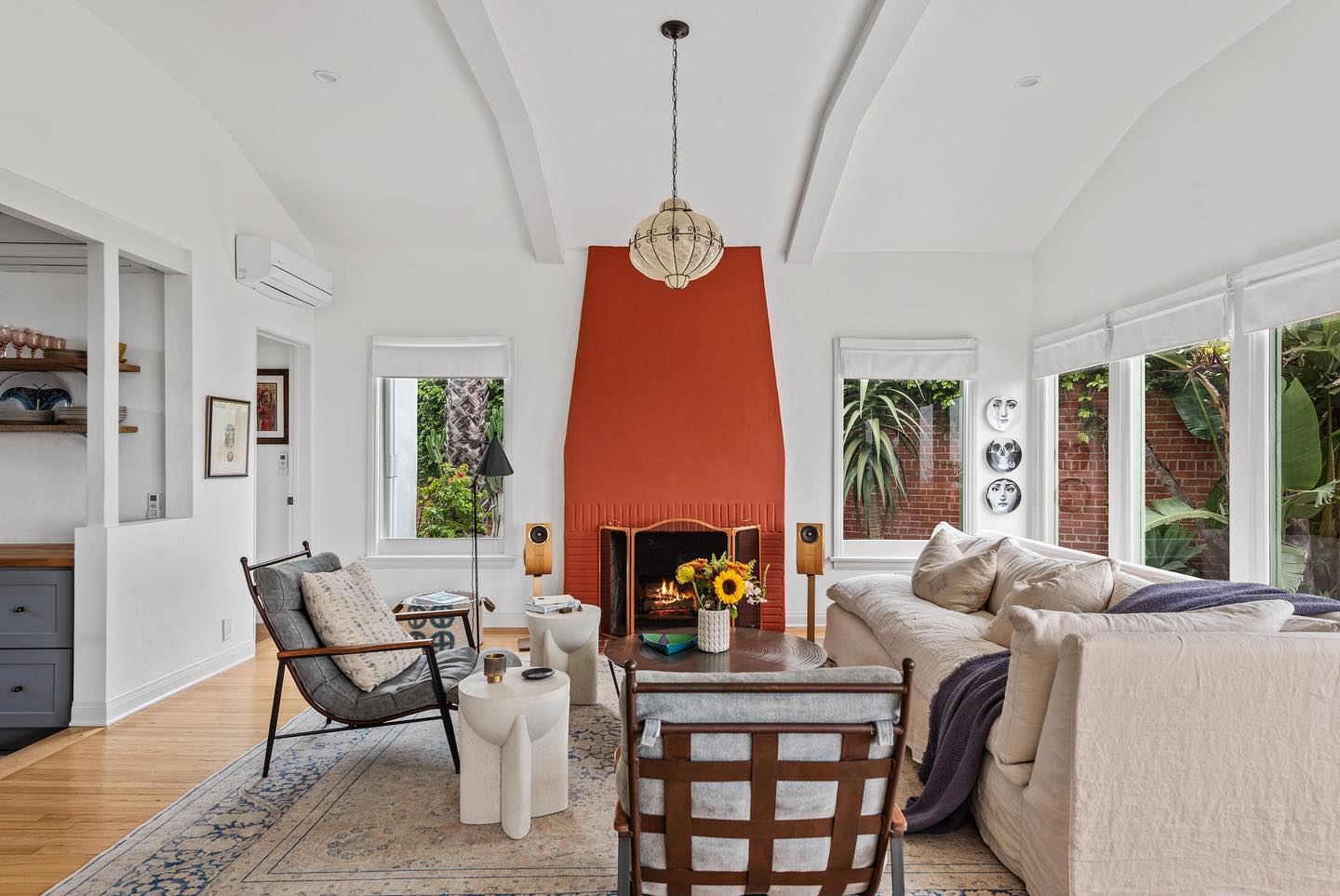
A red chimney breast turns this white living room’s fireplace into a clear focal point. The color follows the chimney’s tapered shape, so the architecture sets the boundaries of the accent.
If your room has a projecting chimney breast, use its corners as natural stopping points instead of extending color across every wall. Keep the adjoining surfaces light to emphasize the shape.
Here, white beams, window trim, and walls surround the red, while cream seating keeps the contrast focused on the hearth. Try large paint samples beside your furniture and check them in changing daylight.
Leave the chimney face free of competing artwork so its outline stays visible. A warm wood floor gives the strong red a softer setting below.
2. Give a White Wall Structure With Rectangular Molding
Credits: Instagram
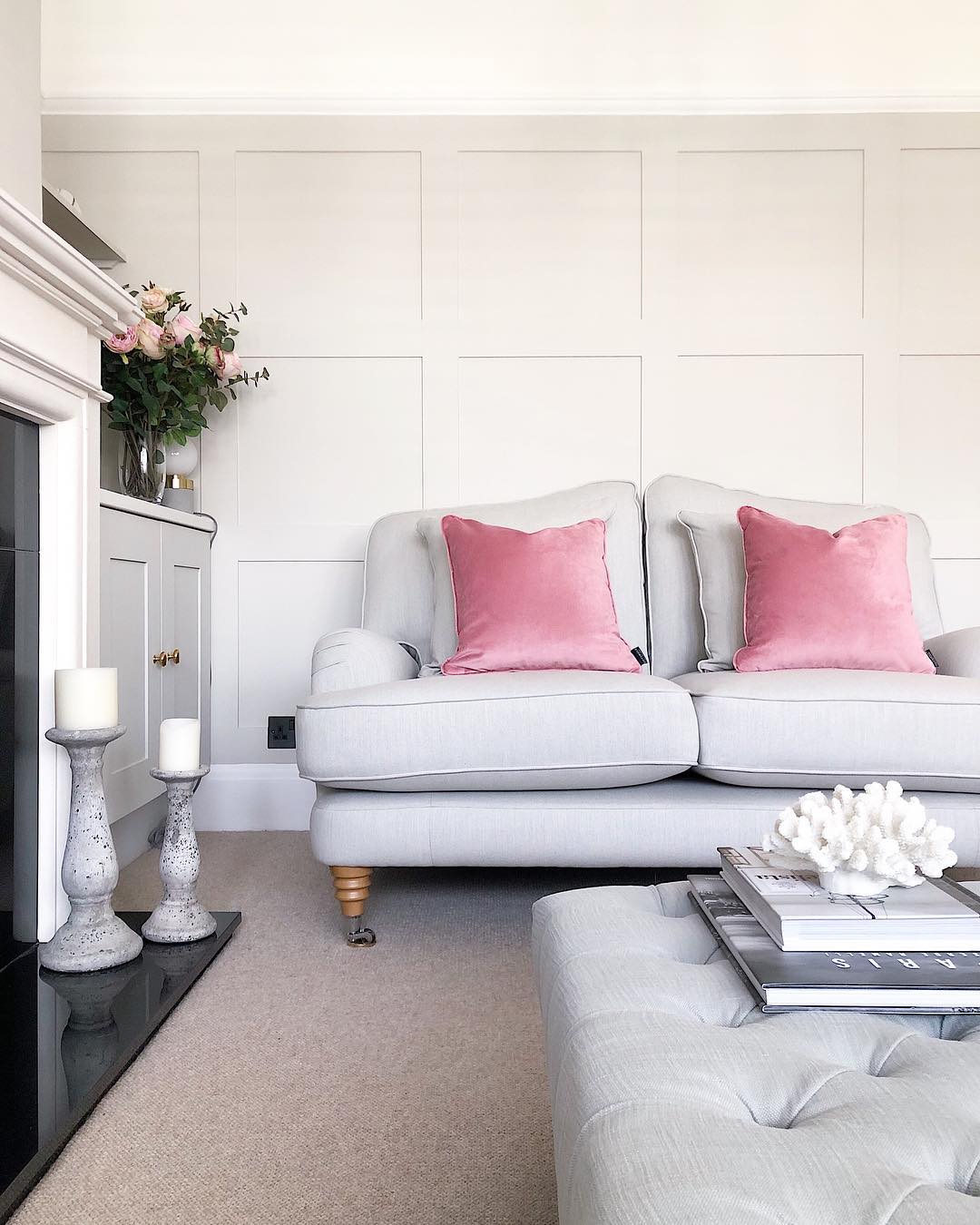
White rectangular molding makes the sofa wall interesting while keeping the room bright. Its repeated shapes provide structure behind the pale gray upholstery, so the pair of pink pillows can supply the strongest color.
The white fireplace surround and painted cabinet continue the quiet palette, while dark hearth stone adds definition. For a similar accent wall, sketch the panel arrangement around the sofa before buying trim.
Aim for balanced spacing and keep narrow leftover sections away from the main seating area. Paint the molding and wall the same shade so shadows reveal the pattern.
Leave the upper panels free of artwork if you want the geometry to stand out. Repeat one pillow color to give neutral upholstery a focal point.
3. Make Oversized Dots the Accent Wall
Credits: Instagram
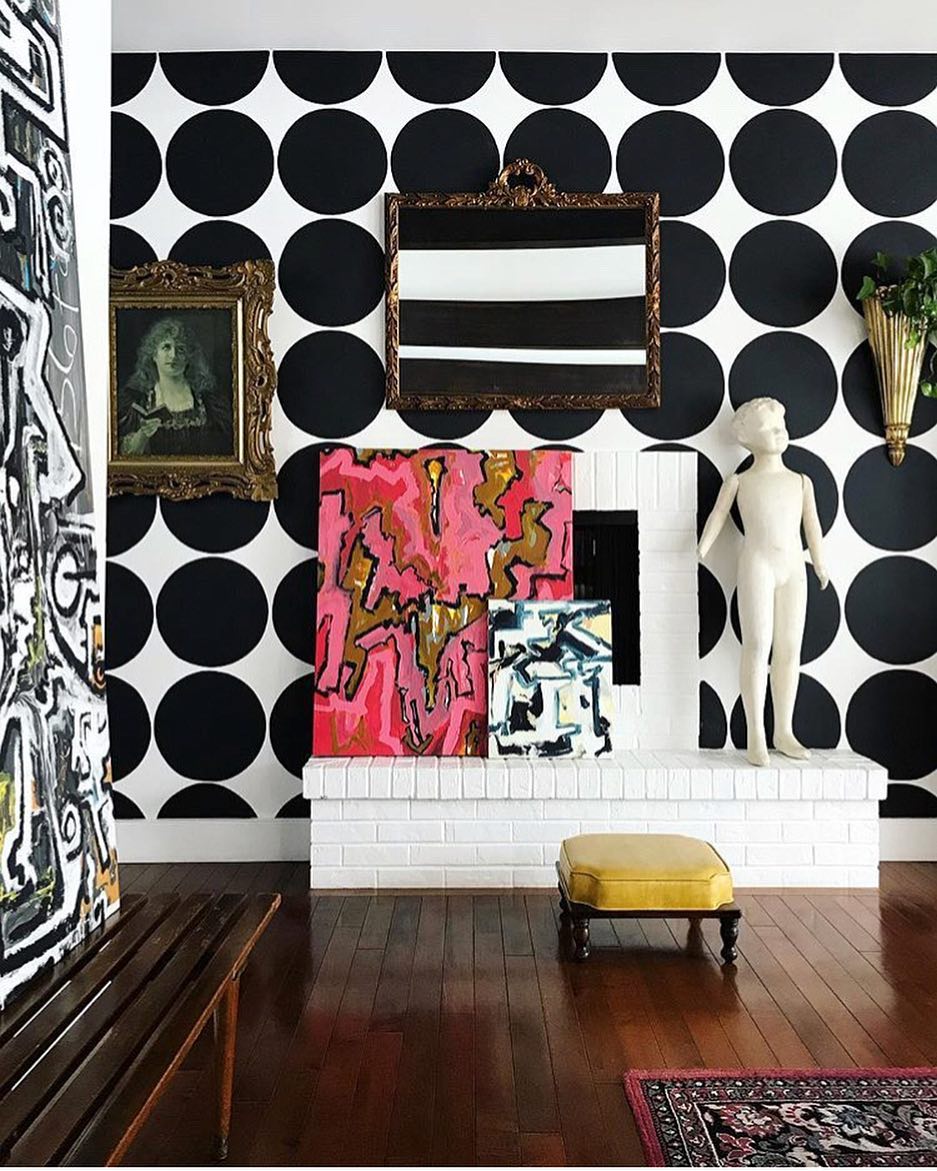
Oversized black dots make this fireplace wall the room’s boldest feature. The simple repeat provides a graphic backdrop for ornate gold frames and bright abstract art, while the white brick hearth gives the eye a quieter place to rest.
To try this idea, limit the pattern to one clearly defined wall and test the scale with paper circles before committing. Keep nearby trim a solid color so the edges remain readable.
Choose artwork with broad shapes that can hold its own against the dots; tiny details may disappear. A small mustard footstool shows how one solid accent can balance several patterns.
Repeat an artwork color in a small accessory, and let the patterned wall carry most of the visual energy.
4. Unify a Window Wall With Deep Color
Credits: Instagram
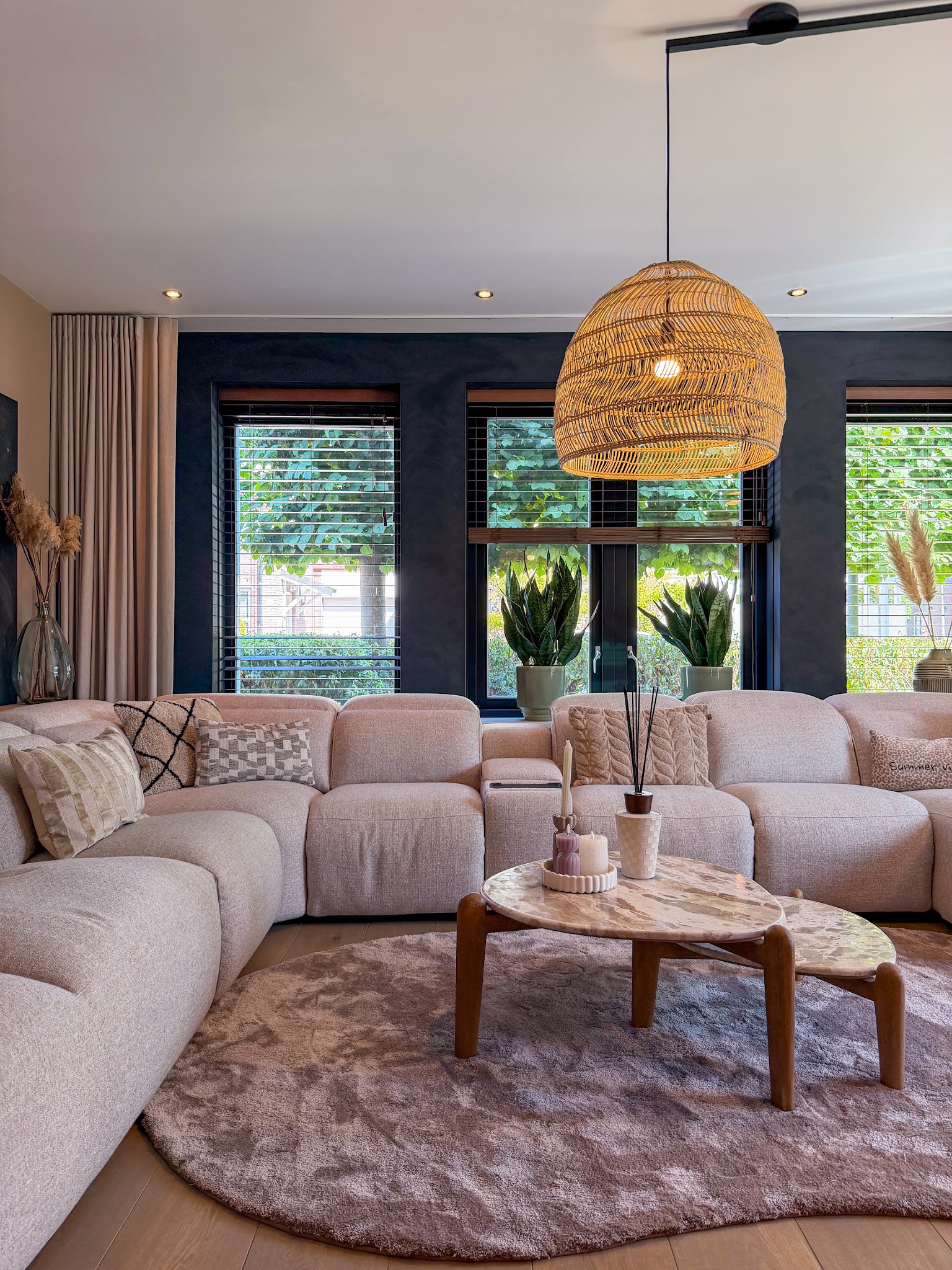
A dark color can turn the wall around several windows into one continuous backdrop. Here, the deep blue surface connects the separate openings and makes the pale sectional stand out clearly.
Try a generous sample on the wall between windows, then check it in daylight and with the room's lamps switched on. Keep the ceiling light if you want a clear contrast above the darker surface.
Window coverings in warm tones can soften the effect without introducing another strong wall color. The woven pendant and rounded tables repeat that warmth near the seats.
Leave enough wall visible above the sofa for the color to register, and use a few lighter cushions to connect the seating with the brighter surrounding surfaces.
5. Connect a Warm Accent Wall With Your Artwork
Credits: Instagram
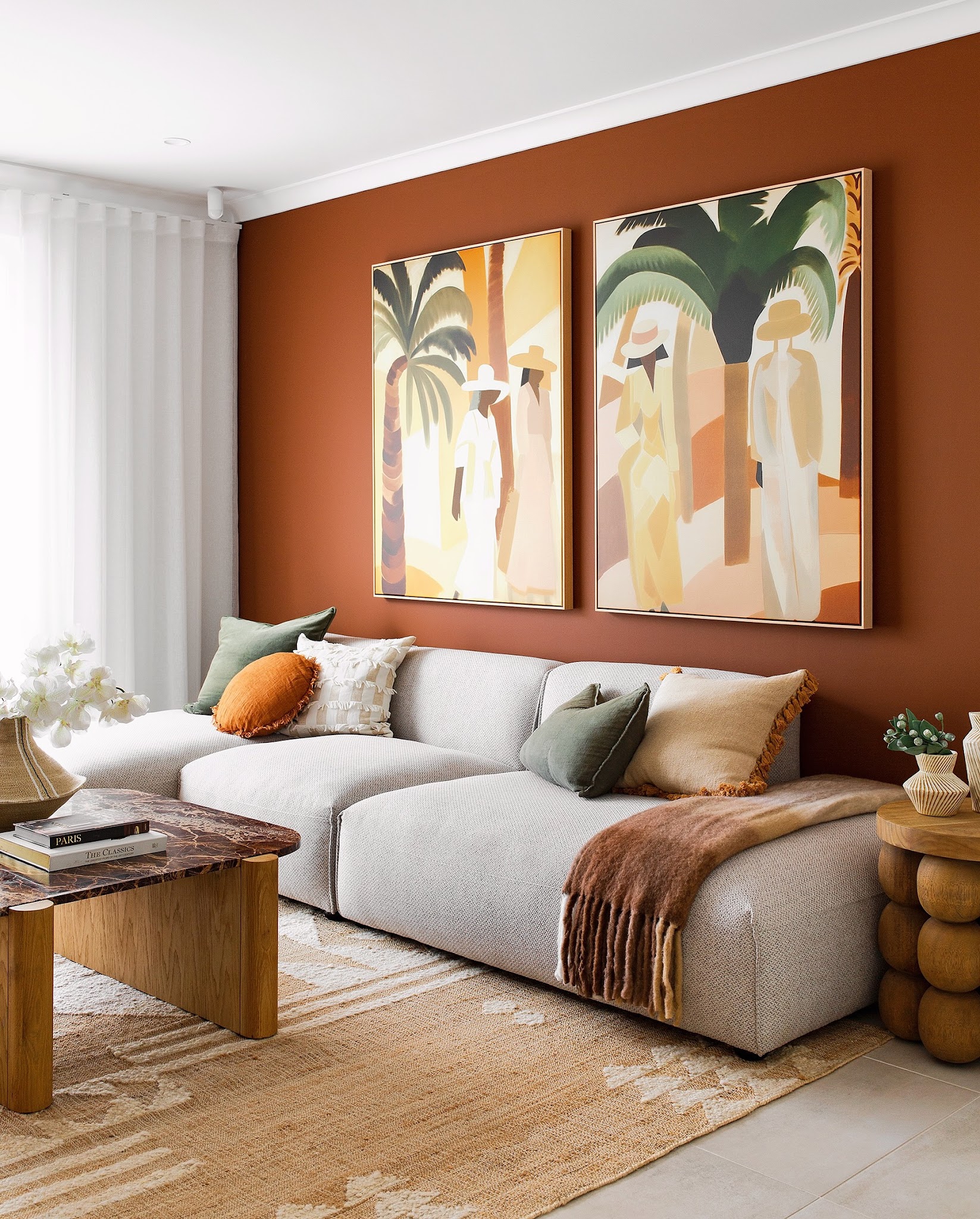
A warm accent wall can give pale upholstery a stronger backdrop. Here, burnt orange frames the light gray sofa, while two large prints repeat its warm tones alongside deep green leaves.
Start with a wall color drawn from artwork you already enjoy, then test a sample behind your seating. Keep some of that painted surface visible around each frame so the color has room to register.
A small orange pillow and brown throw carry warmth onto the sofa without covering its light fabric. Green cushions pick up the artwork’s cooler notes, balancing the orange.
Use simple matching frames to connect a pair of pictures, and keep the ceiling and nearby curtains pale to give the stronger wall a clear boundary.
6. Turn a Bookcase Wall Into the Color Accent
Credits: Instagram
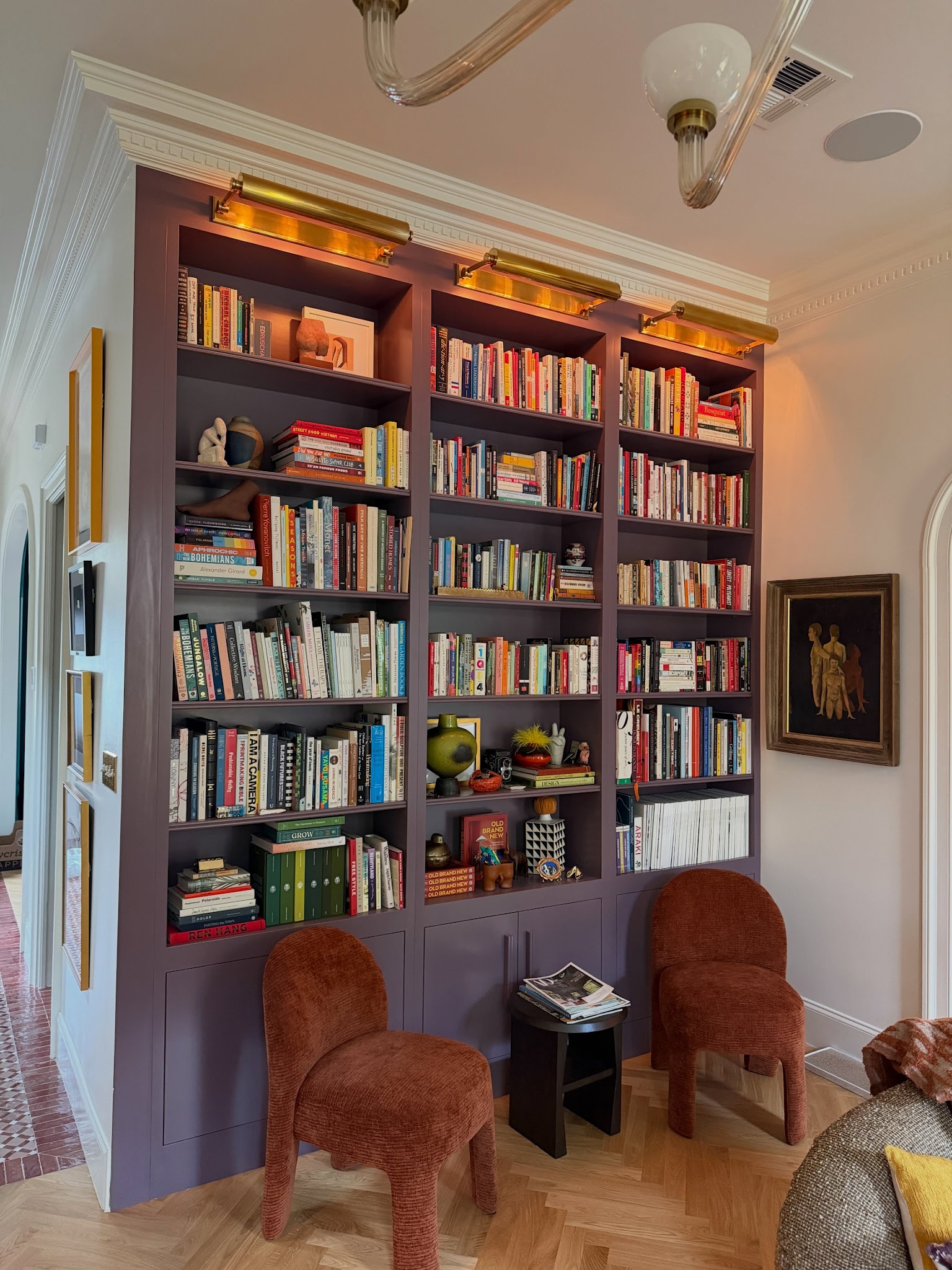
A wall of built-in bookcases can become the accent without painting the whole room. Here, muted purple covers the shelves, their backs, and the lower cabinet doors, turning many separate compartments into one continuous feature.
White surrounding walls and trim give the color a clear boundary. For a similar effect, use one shade across the storage instead of outlining every shelf in a contrasting color.
Keep a few gaps between books so the painted backing remains visible. Golden picture lights draw attention upward and add a warm glow across the shelves.
A pair of rust chairs creates a sitting spot in front, while a simple dark table keeps the arrangement useful without competing with the books or their colorful backdrop.
7. Let Subtle Panel Lines Define a Pale Feature Wall
Credits: Instagram
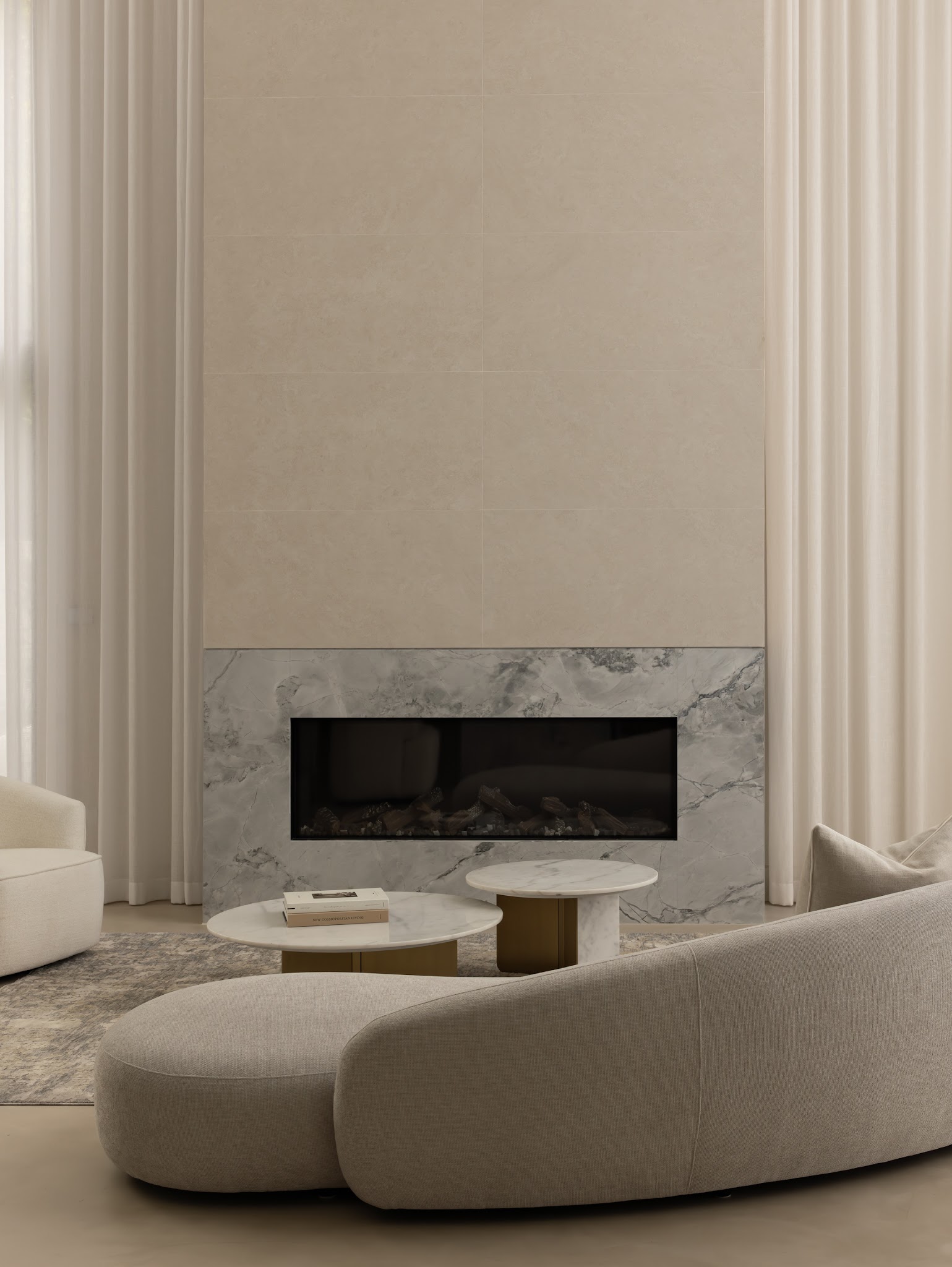
A pale feature wall can draw attention through its proportions and surface detail. Here, broad beige panels rise above a gray veined fireplace surround, with fine seams giving the upper wall a quiet grid.
Curtains on both sides soften the straight edges, while the curved sofa repeats the room’s gentle tones. For a similar look, choose large panels with subtle variation so their joints stay secondary to the overall shape.
Keep the area above the fireplace free of competing artwork when the finish already provides interest. Repeat a little of the surround’s gray in the rug or upholstery to connect the lower portion with the seating.
Simple rounded tables add another shape without interrupting the wall’s calm, uninterrupted vertical emphasis.
8. Let Irregular Stone Supply the Wall Pattern
Credits: Instagram
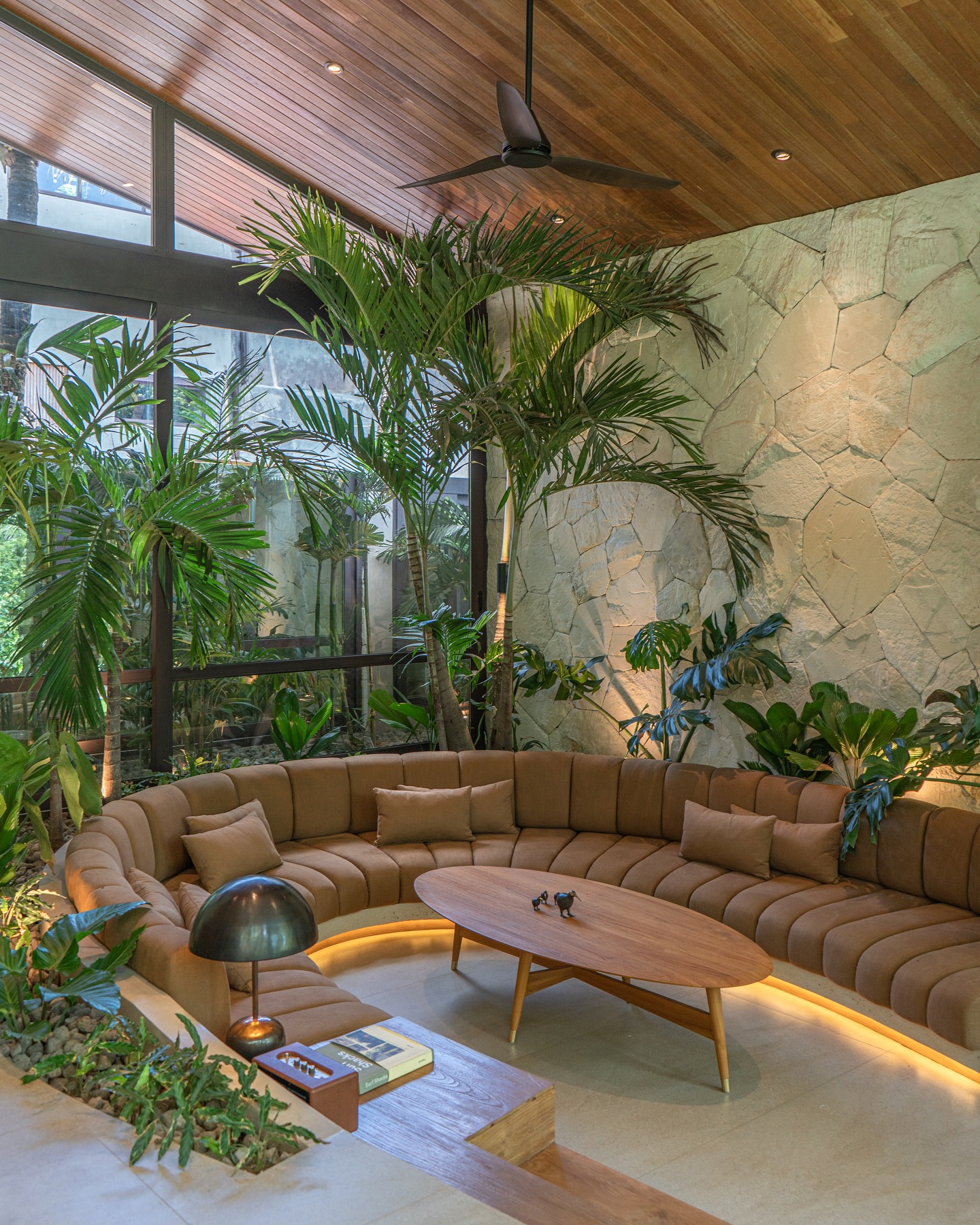
A large, irregular stone wall brings pattern into a living room without relying on a bold paint color. Here, large pale pieces rise behind the curved brown sofa, their uneven outlines standing out beneath a warm wood ceiling.
Keeping the wall free of artwork lets its surface become the main feature. Balance that busy texture with plain upholstery and a simple coffee table, as this seating area does.
Choose cushions close to the sofa color so they do not compete with the stone. A few leafy plants can soften the transition between the hard wall and the seating.
Leave portions of the surface visible between foliage, allowing the scale, varied shapes, and subtle shadows to remain part of the room.
9. Pair Botanical Wallpaper With Ribbed Paneling
Credits: Instagram
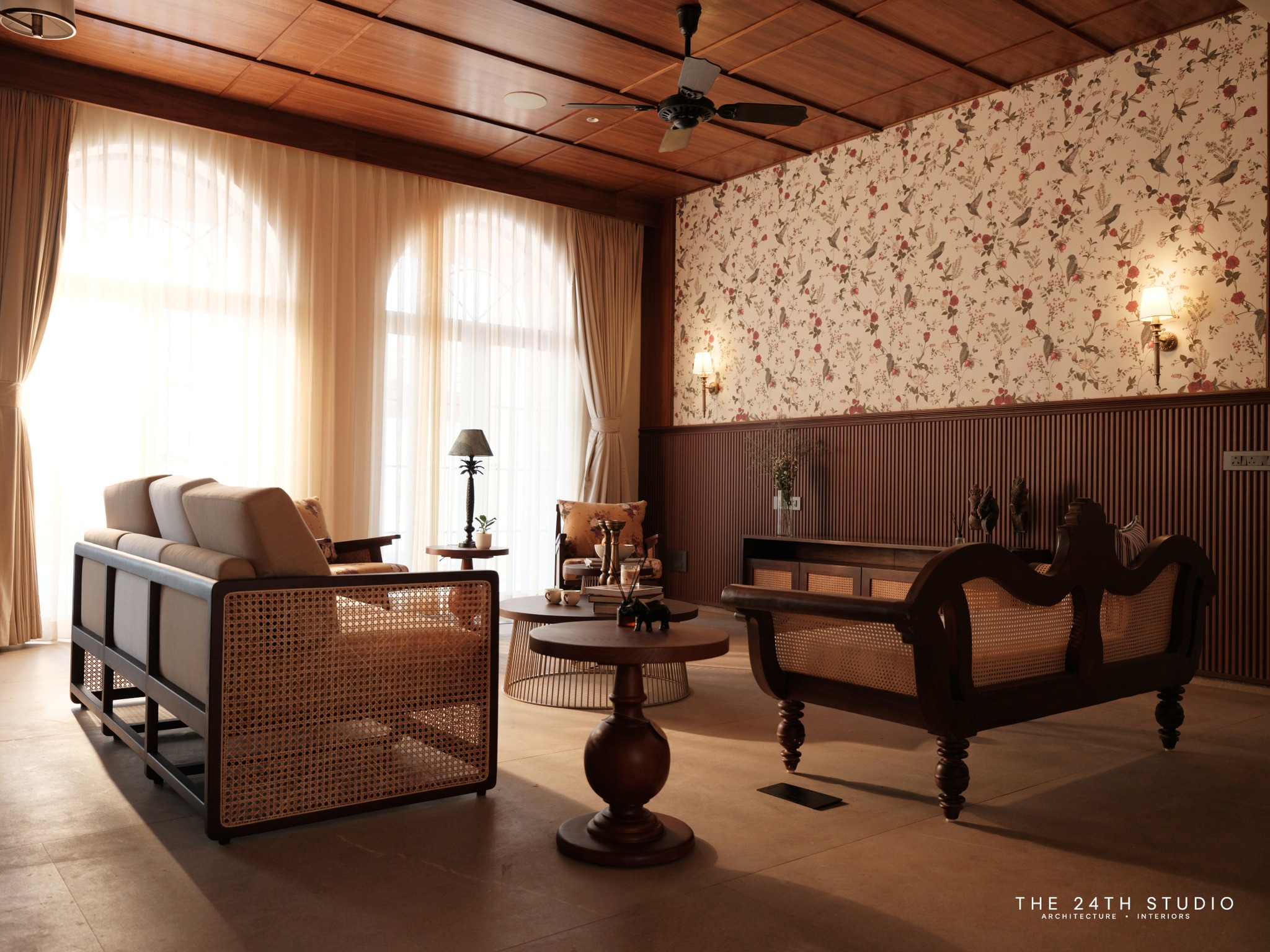
Dividing an accent wall into two treatments can keep a detailed wallpaper from overwhelming the seating area. Here, birds and flowering branches cover the upper wall, while dark ribbed paneling forms a continuous base below.
The horizontal trim gives the pattern a clear stopping point and connects the separate seats visually. Before choosing a division height, compare it with your sofa and chair backs so both treatments remain visible.
Let the wallpaper supply the decorative detail instead of adding a gallery of framed pictures over it. Plain cream upholstery and pale curtains give the eye a quieter place to rest.
Repeat the lower wall's warm brown in your furniture to connect the feature with other pieces throughout the living room.
10. Make One Oversized Canvas the Wall Accent
Credits: Instagram
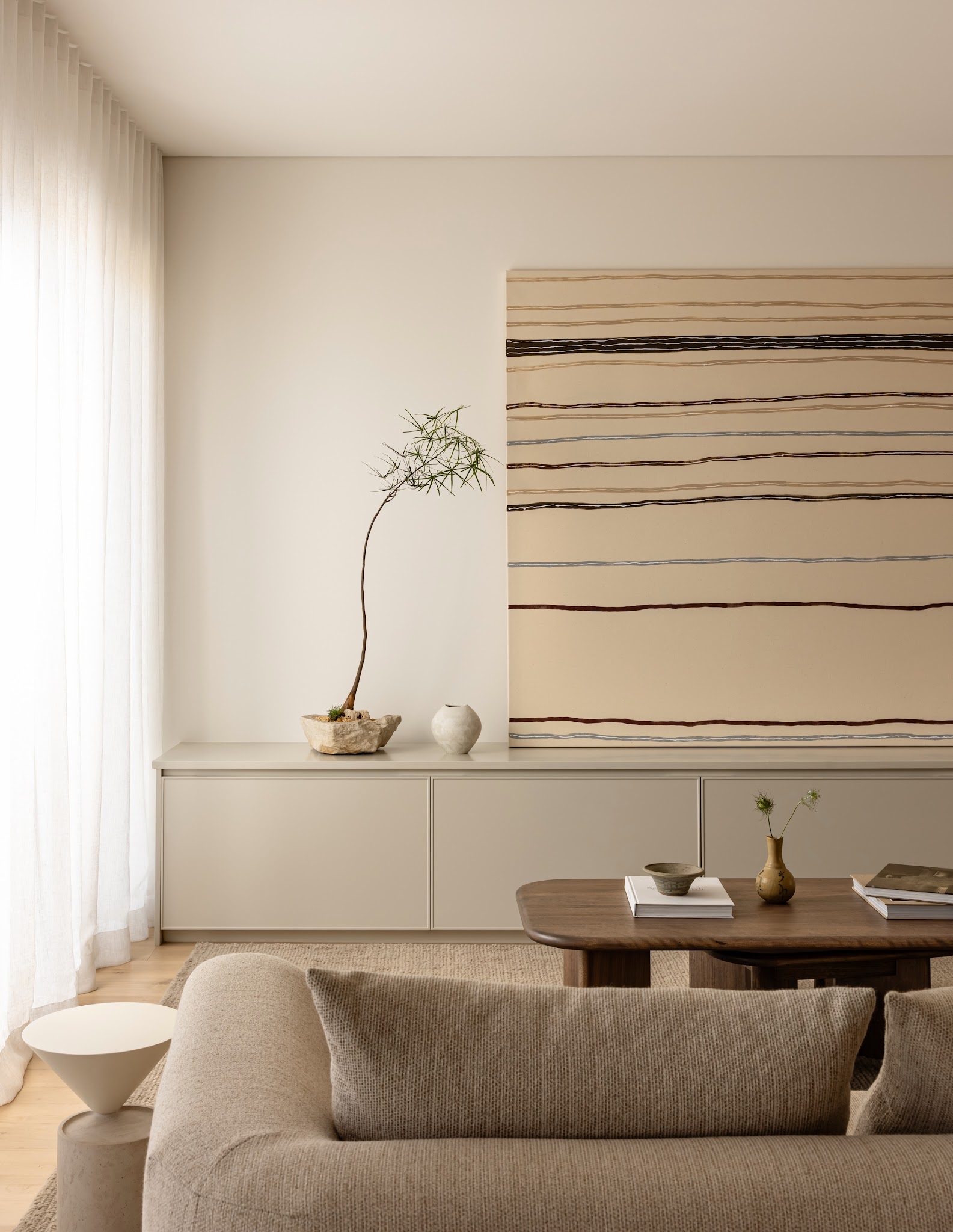
One oversized canvas can give a pale wall a focal point while leaving the room's quiet palette intact. Here, dark horizontal lines spread across a large cream artwork above low cabinets.
The cabinet fronts stay simple, so the canvas supplies most of the pattern. Choose a piece with enough visual weight to read clearly from the sofa, then leave open wall around it.
A plant and one small vessel balance the cabinet display without covering the artwork. Repeat a darker tone from the painting in nearby furniture, as this wood coffee table does.
Keep smaller decorative objects below the main composition. Before choosing a size, outline it with paper and check the proportions from your usual seat across the room.
11. Keep the Mural Scene Visible Above the Sofa
Credits: Instagram
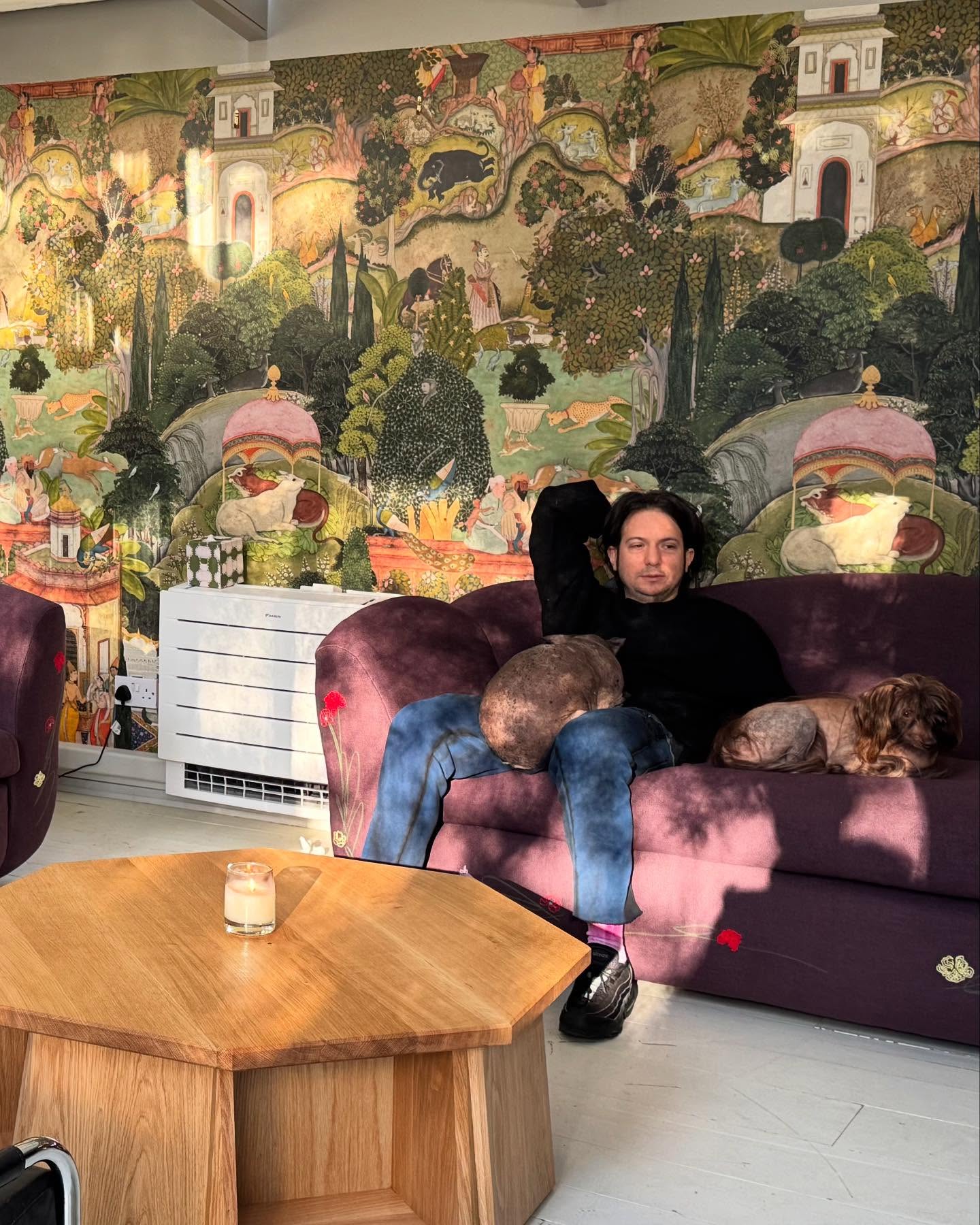
Plan a landscape mural around the sofa so its most interesting details remain clearly visible above the back cushions.
Here, illustrated trees, animals, and small buildings fill the wall, while a purple sofa leaves much of the scene open to view. Before ordering a mural, compare the design layout with the height of your seating and any wall fixtures.
Position the main features where furniture will not cover them. A mostly solid upholstery color gives the eye a resting place beside a busy scene.
Keep the coffee table display simple, as this single candle does, to avoid competing with the wall. Choose one or two mural colors for smaller accents, and let the illustrated landscape carry the room's strongest pattern.
12. Make Illuminated Lettering the Wall Accent
Credits: Instagram
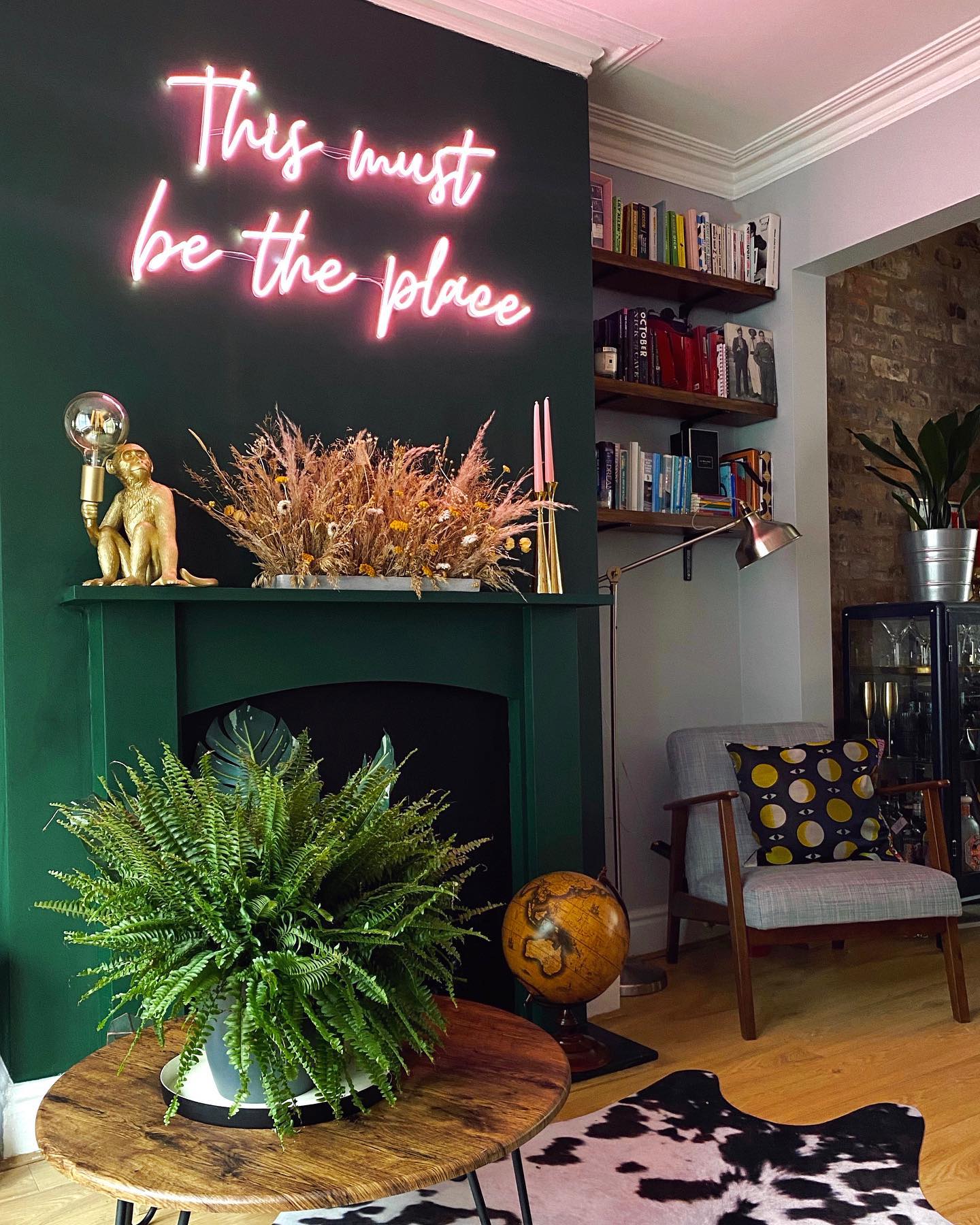
A short illuminated phrase can give an accent wall a focal point without covering it with framed art. Here, pink lettering stands out against deep green paint, with open space around the script keeping every word readable.
Center your chosen phrase over an existing feature, such as a mantel, and check its width against the surface below. Keep nearby decorations lower so their outlines do not compete with the lettering.
Small pink accents elsewhere can connect the glow with the rest of the room. The adjacent gray chair, wooden table, and bookshelves show how a playful sign can sit comfortably among everyday furnishings.
Choose words you enjoy seeing daily, and let this single message carry the wall's strongest decorative statement.
13. Unify a Collected Gallery With Repeated Frame Finishes
Credits: Instagram
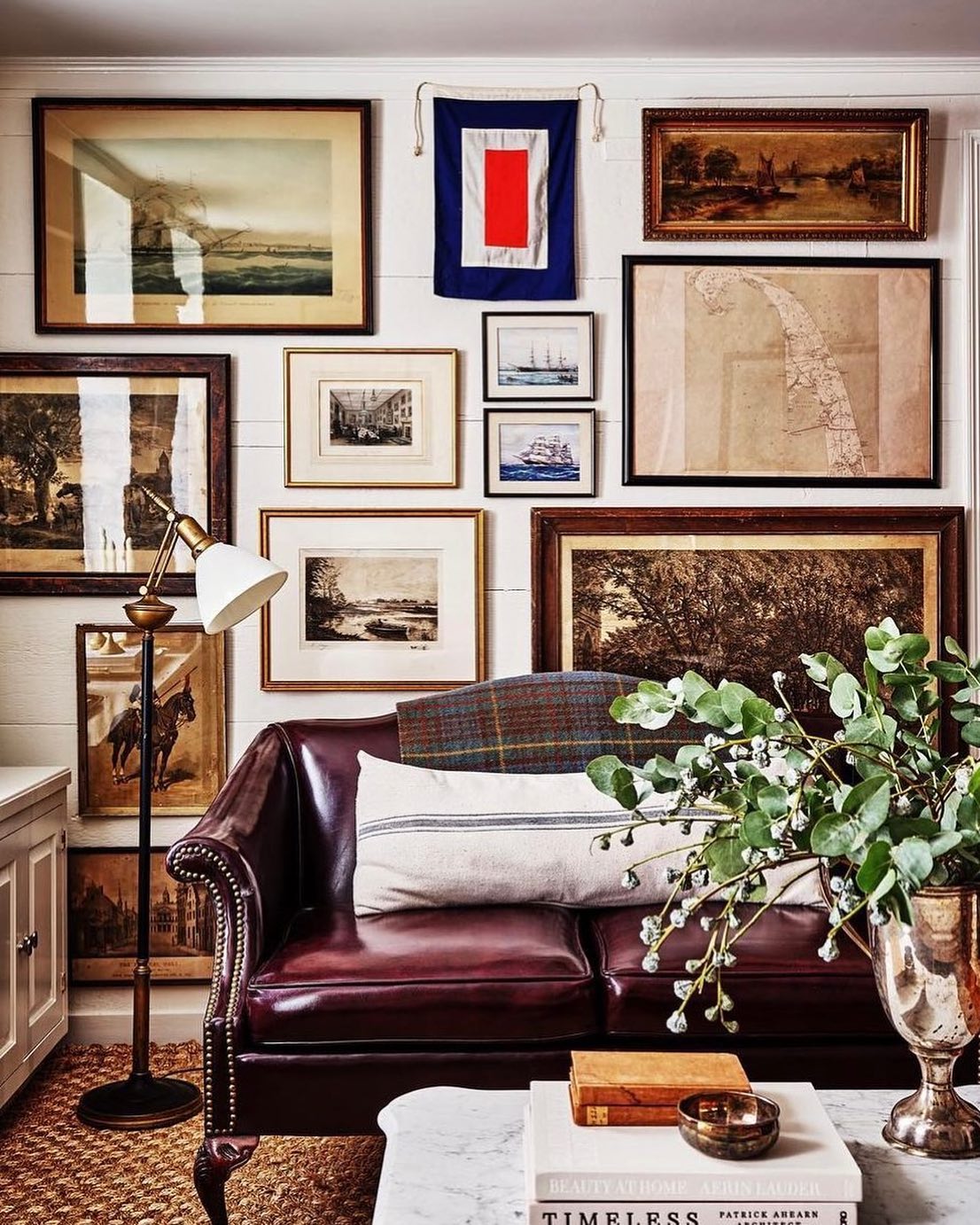
A gallery of different sizes can turn a plain wall into the living room's main feature. Here, large landscapes and a map surround smaller pictures and a fabric flag above a dark leather sofa.
Repeated dark and warm gold frame finishes connect the varied subjects without making every piece match. Start with the largest works, then arrange smaller frames in the spaces between them.
Test the composition on the floor before hanging, and leave enough room above the sofa for comfortable sitting. Light mats give detailed pictures breathing space within a dense arrangement.
Keep nearby upholstery relatively simple so the collection remains easy to read. A slim floor lamp provides task lighting while leaving most of the larger display visible.
14. Make Geometric Tile the Fireplace Focal Point
Credits: Instagram
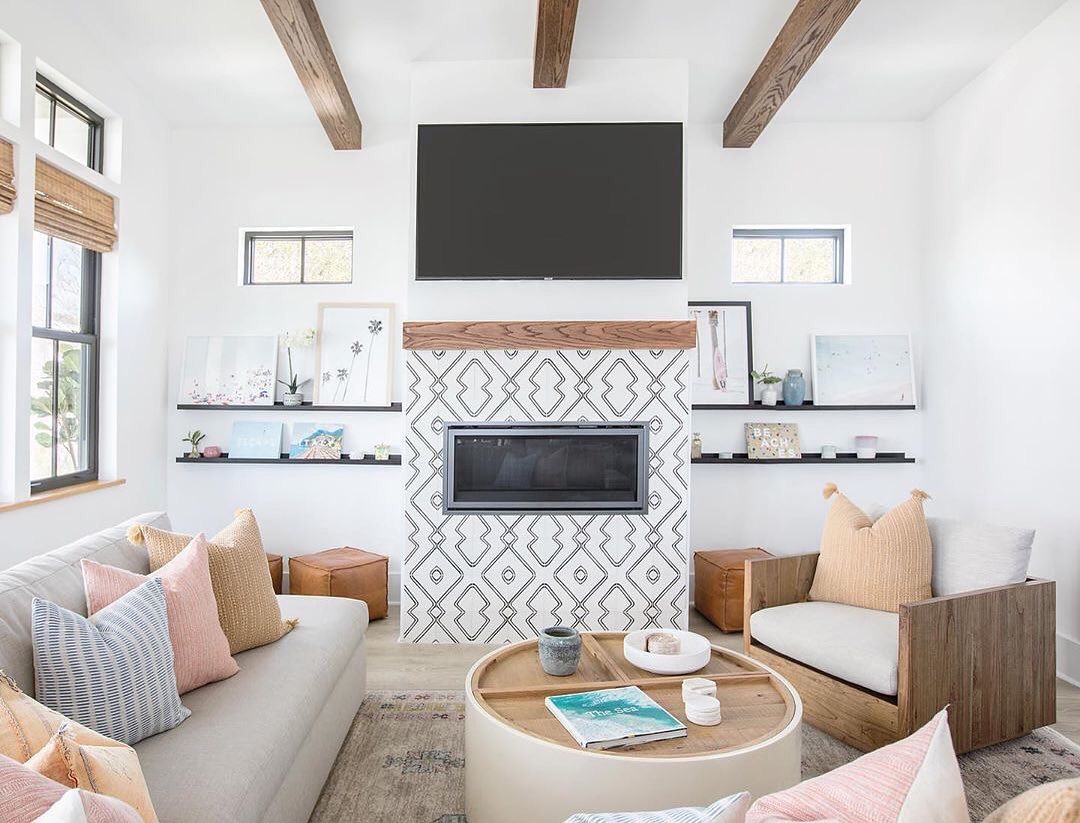
Black outlined geometric tiles give this fireplace a strong pattern while the surrounding walls stay white. The design fills the chimney breast below a wood mantel, creating a clear focal point between two sets of narrow display ledges.
To borrow the look, choose a repeat that remains readable from your main seats, then preview several tiles together before committing. Notice how the black firebox and shelf edges echo the lines in the pattern.
Repeating that dark accent elsewhere makes the feature feel connected to the room. Pale upholstery and small pastel pillows keep the seating visually quieter.
Leave the mantel lightly styled so the tile stays prominent, and compare your samples with nearby wood finishes in the room's changing daylight.
15. Carry Vertical Boards Up to the Ceiling Peak
Credits: Instagram
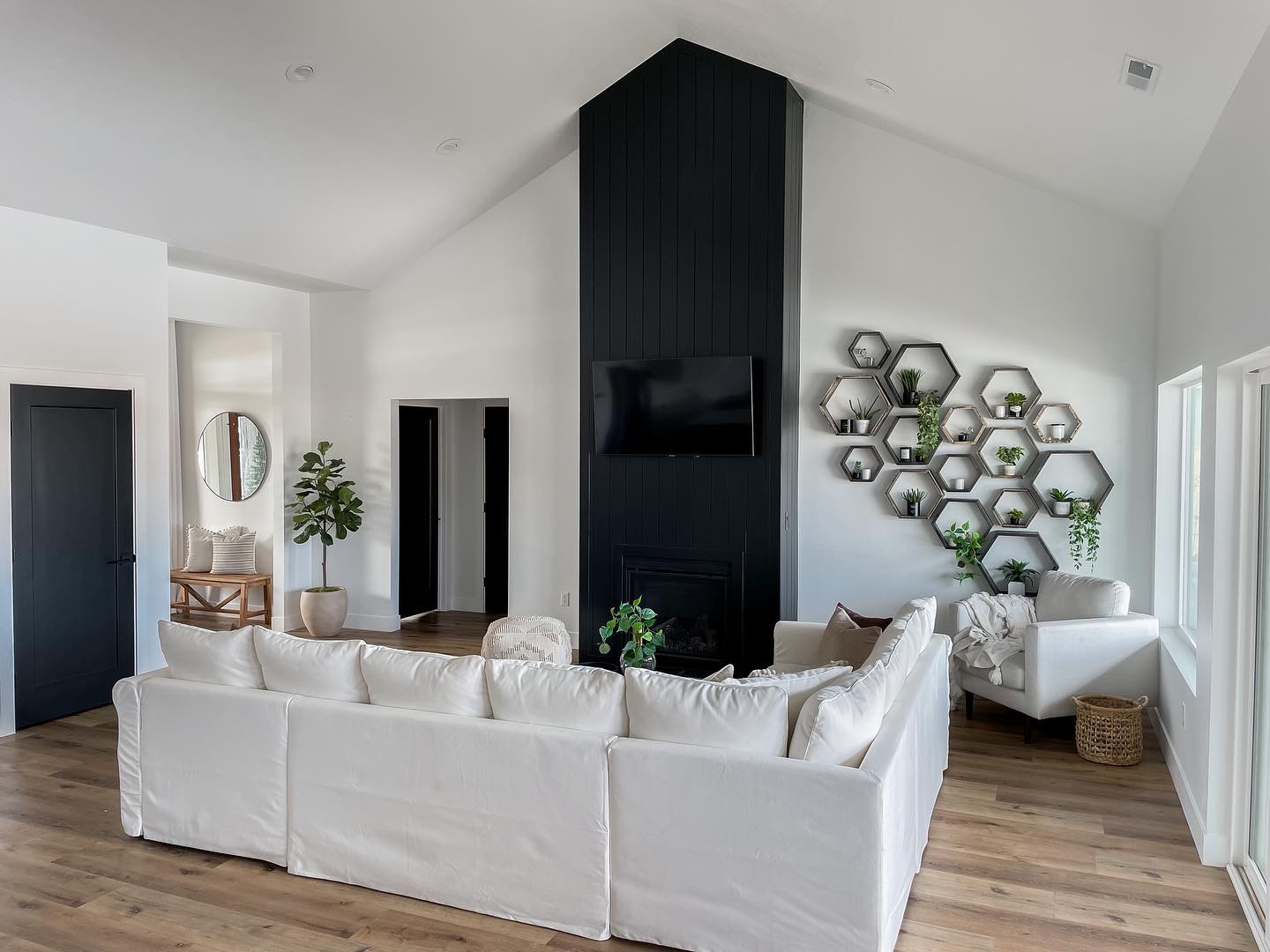
Vertical boards can turn an awkwardly tall fireplace wall into a deliberate architectural feature. In this room, slim black lines continue from the fireplace to the peak of the vaulted ceiling, making the full height feel connected.
Follow the existing ceiling outline when planning the top edge, so the treatment looks tailored to the room. Keep the neighboring walls pale to make the narrow feature legible without darkening every surface.
The black door repeats the accent at a smaller scale, while white seating keeps the large furniture visually quiet. Leave the upper boards clear of extra artwork so their rhythm remains visible.
A simple, consistent finish lets the texture and silhouette do the decorative work above the everyday seating area.
16. Let Pale Brick Texture Define the Sofa Wall
Credits: Instagram
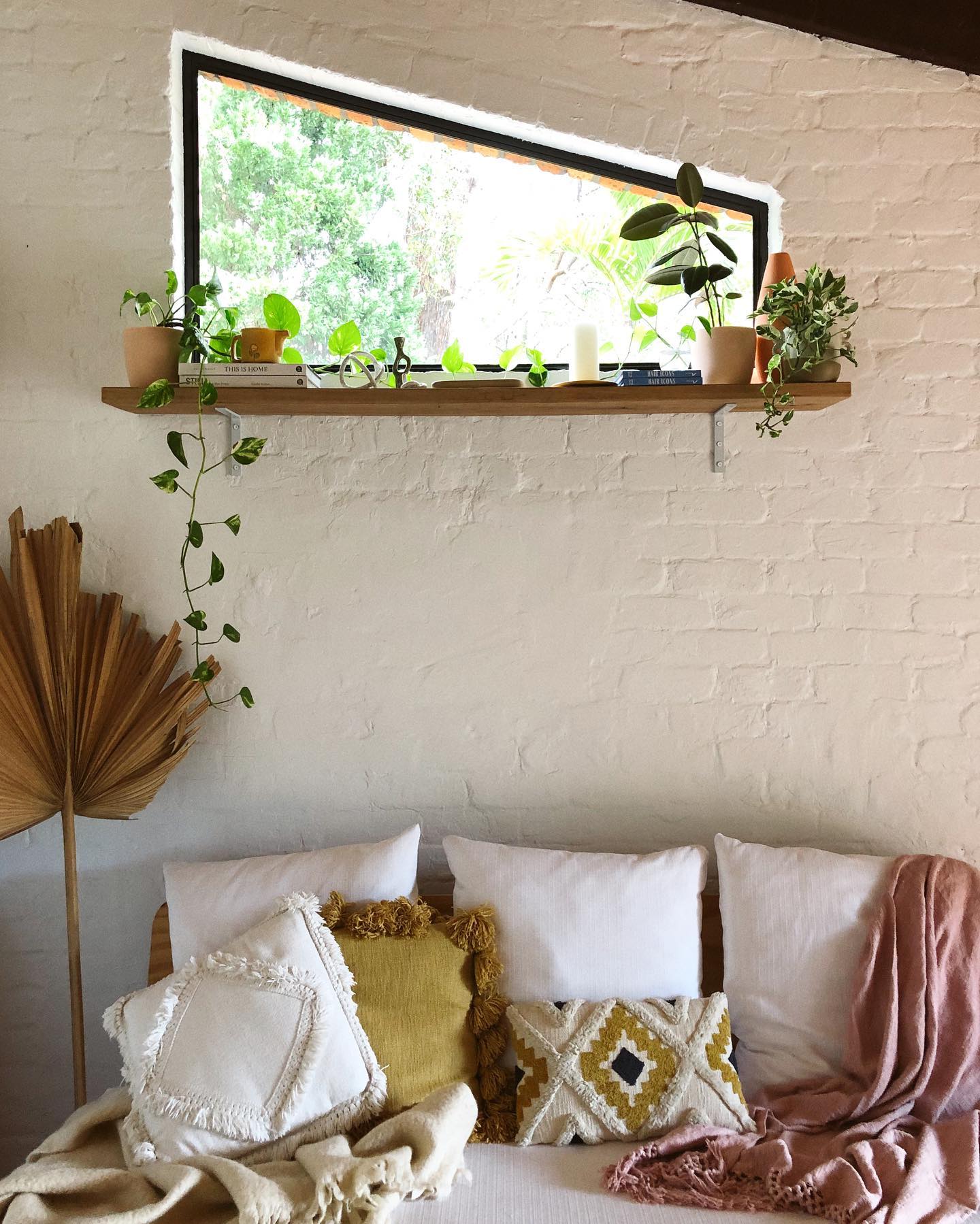
An accent wall can stand out through texture even when its color stays close to the sofa. Here, a pale finish softens the brick while leaving uneven edges and mortar lines visible.
Keep that relief exposed above the seating instead of covering the entire surface with artwork. The long wooden shelf adds a warm horizontal line beneath the black window frame, balancing the rough surface with clean edges.
Use a few plants and simple objects along the shelf, with space between them so the masonry remains part of the display. Cream upholstery continues the quiet backdrop, while mustard pillows and a dusty pink throw add controlled color.
Before choosing a finish, compare its texture and tone with your fabric samples.
17. Frame a Listening Corner With a Painted Arch
Credits: Instagram
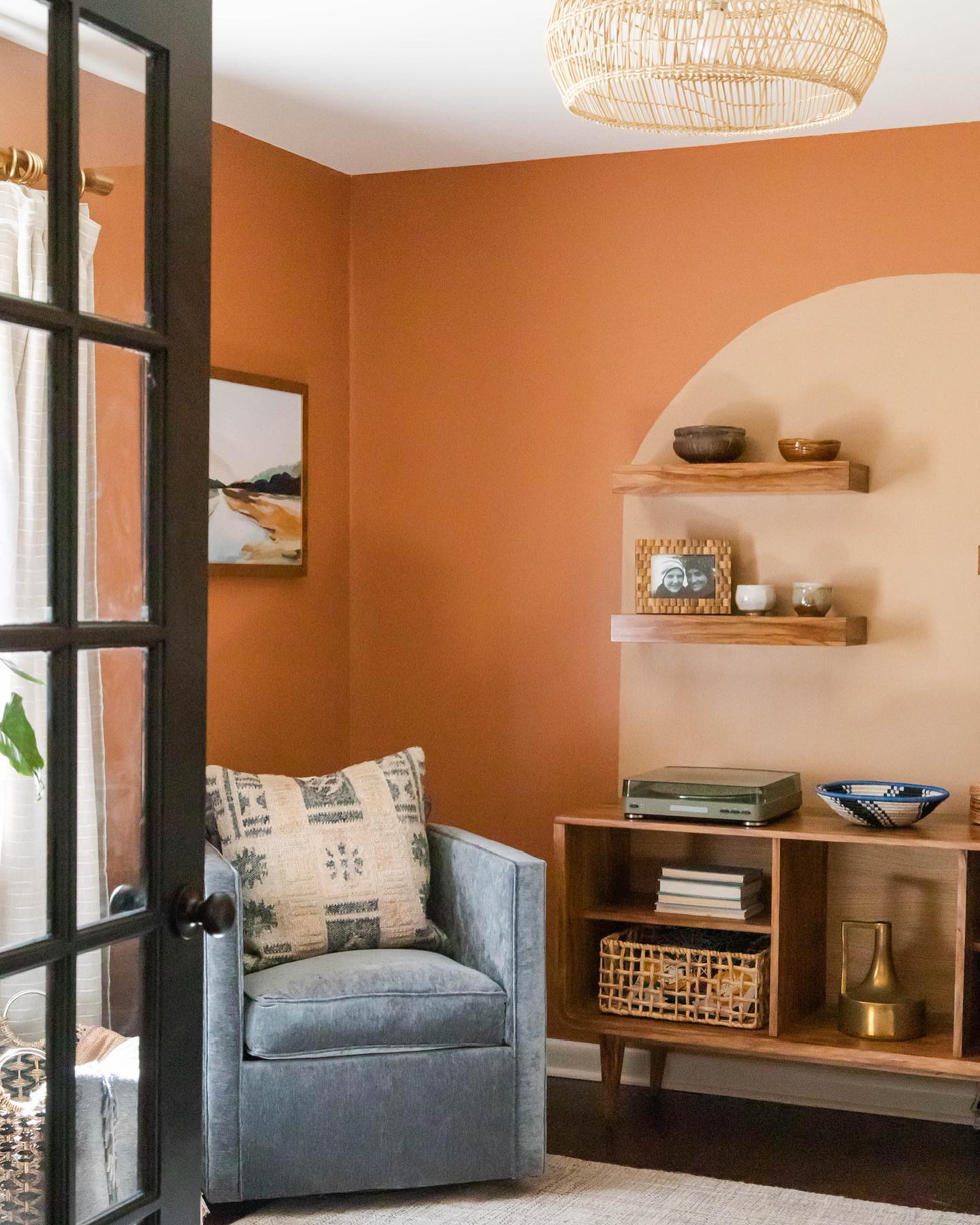
A painted arch can give a listening corner its own identity within a living space. Here, a pale shape gathers the floating shelves and record console into one composition against the orange wall.
Its curved outline softens the straight edges of the shelves without adding another object to the room. Plan the shape around the furniture below, then position the highest shelf far enough beneath the curve to leave some color visible.
Keep the display selective so the painted outline remains easy to follow. The nearby upholstered chair makes this a place to sit, while the console holds music and everyday storage.
Repeating warm wood across the shelves and cabinet helps the separate pieces read as a coordinated little zone.
18. Define the Sofa Wall With a Horizontal Color Line
Credits: Instagram
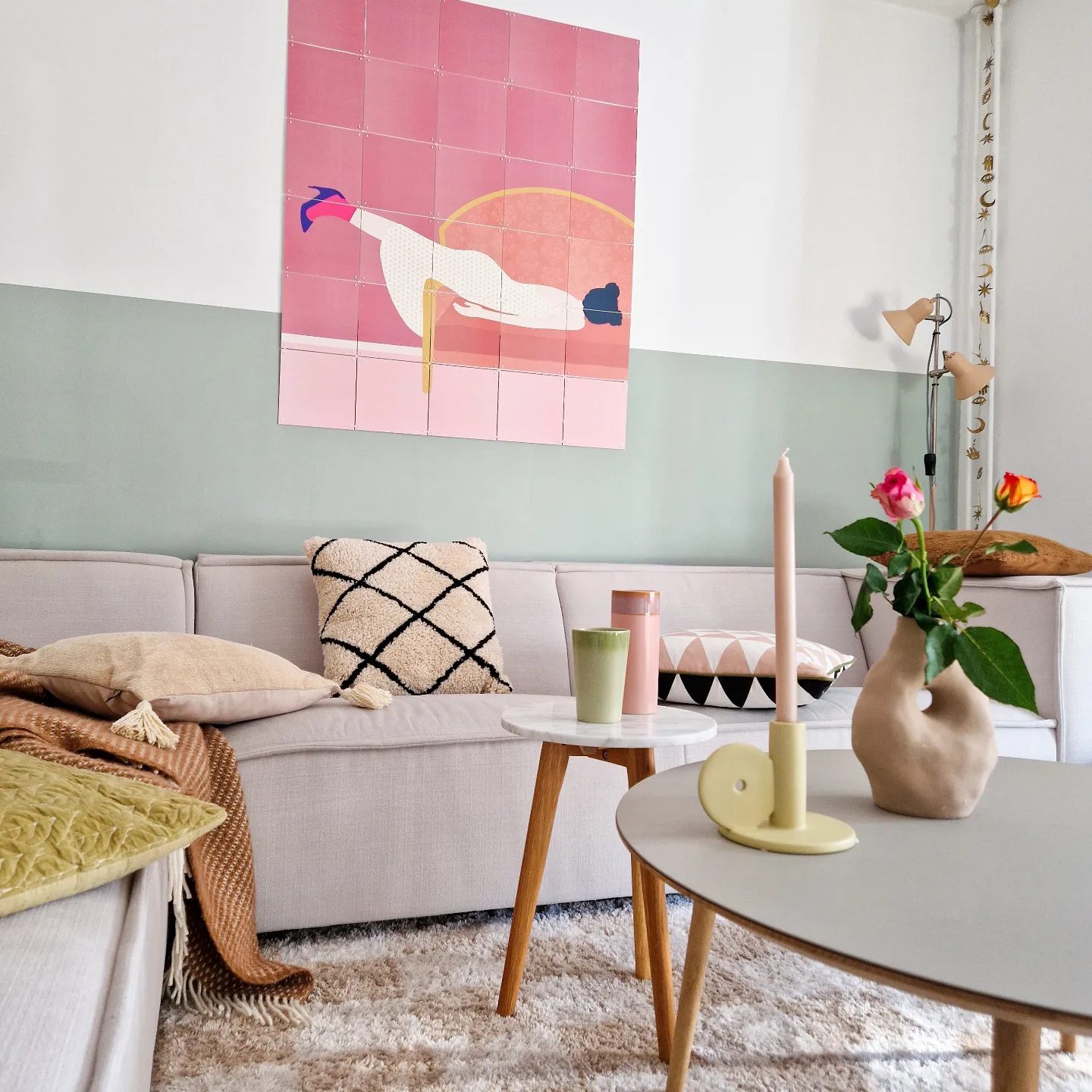
A clean horizontal paint line gives a plain sofa wall structure without adding molding. In this room, muted green covers the lower portion while white continues above, creating a soft backdrop for the pale sectional.
The large pink artwork crosses the boundary, connecting both wall colors within one composition. Before painting, mark a trial line with removable tape and check its position from your usual seats.
Keep enough green visible above the sofa so the effect remains readable once cushions are in place. Test the shade beside your upholstery in daylight and evening light.
Repeat a little green in smaller accessories to connect the wall with your furniture, then let white space balance the brighter artwork and patterned pillows nearby.
19. Use a Tall Mirror to Open Up the End Wall
Credits: Instagram
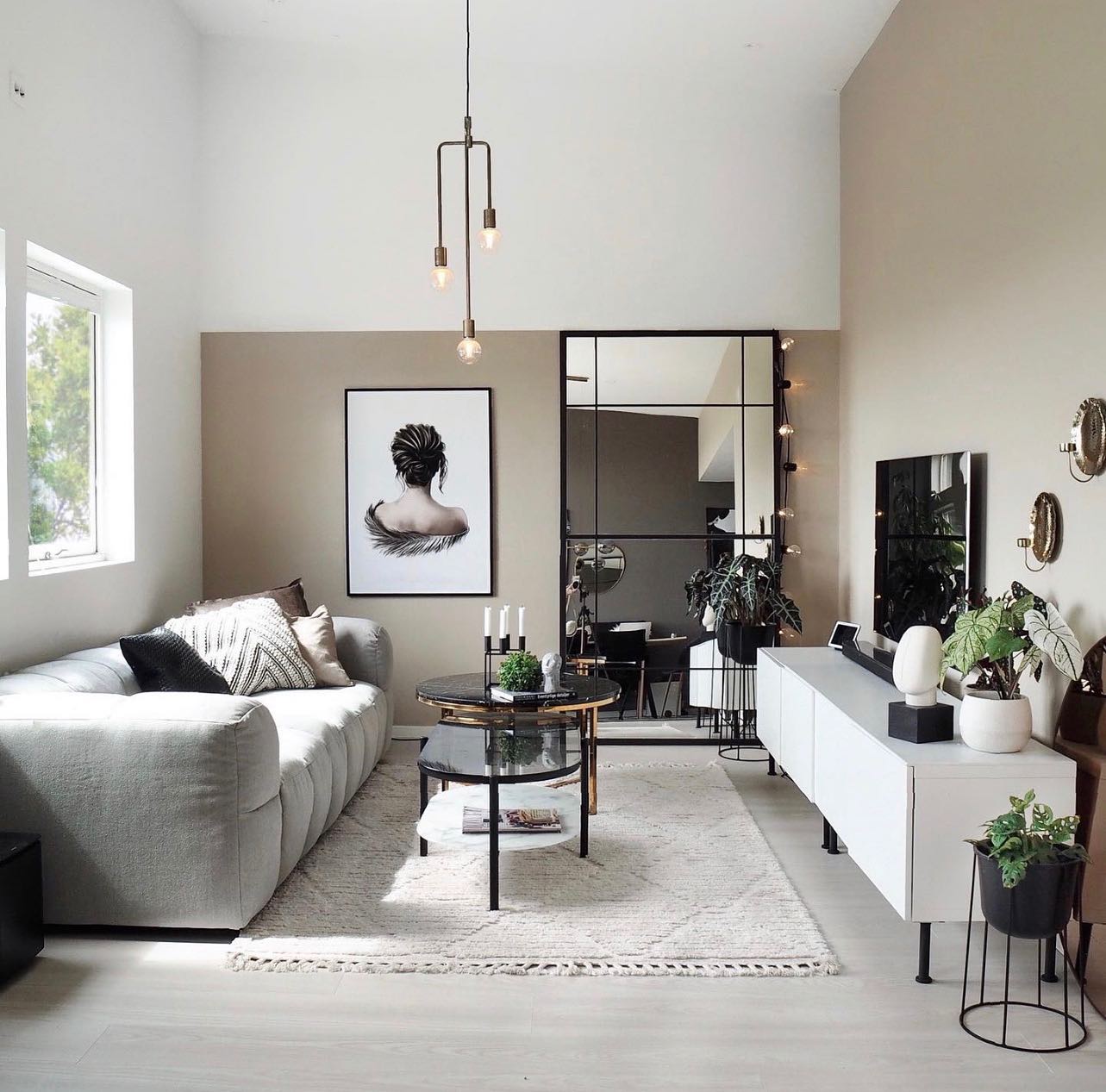
A tall mirror can make the end wall of a narrow living room feel more open while giving it a focal point.
Here, a black grid frame creates strong vertical lines, and the reflection offers a view beyond the seating area. Before choosing a position, check what the mirror will reflect from the sofa and the room's entrance.
Aim for an appealing view of light, plants, or furnishings. Keep nearby artwork simpler so it does not compete with the frame.
The low white cabinet and pale sofa leave the mirror visually prominent, while dark table legs repeat its slim outlines. Use this contrast to connect the feature with everyday furniture without adding more pattern across every surface in the room.
20. Balance Bold Angular Stripes With Smaller Patterns
Credits: Instagram
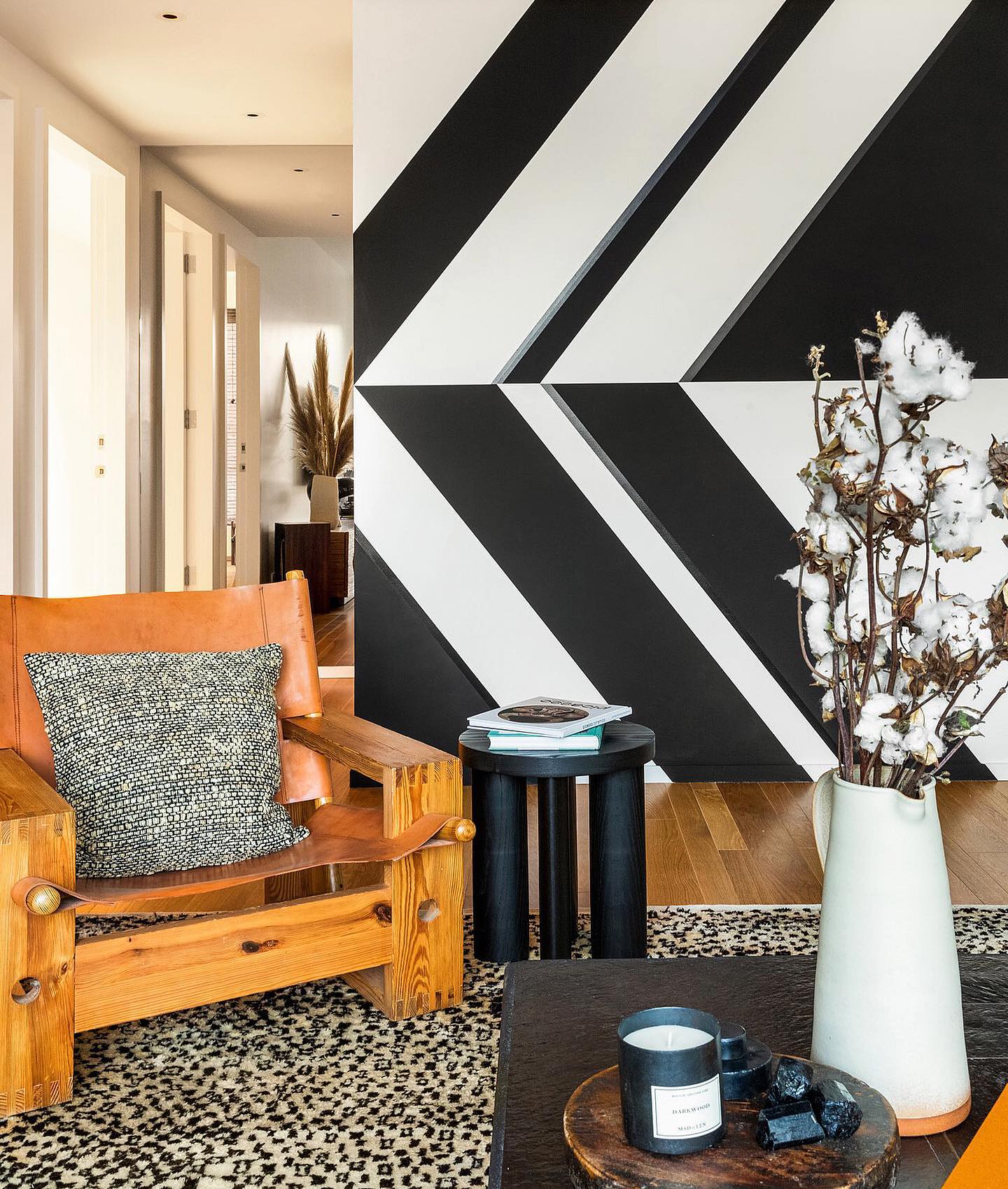
Broad diagonal stripes can turn one living room wall into a graphic focal point. In this room, black and white bands change direction along a horizontal line, creating an oversized angular pattern behind the seating.
Use the wall's edges as boundaries, keeping adjoining surfaces plain so the sharp changes of direction stay legible. Try the design on paper first, varying the stripe widths until the composition feels balanced.
The small patterns on the rug and cushion work because they share the wall's colors while using a much finer scale. Warm wood and brown leather keep the contrast from feeling cold.
Leave the mural free of framed art, and choose simple nearby tables so its large shapes remain easy to read.