
A living room can feel welcoming without giving a sofa the largest share of the floor.
Living Room Ideas Without A Sofa range from a circle of armchairs for conversation to twin chaises that make room for reading or beanbags that can shift aside for play.
The right arrangement depends on how you use the space: a pair of chairs can keep a small TV room light, while floor cushions and a deep rug create a more relaxed lounge.
These examples show how flexible seating, thoughtful spacing, and a low table can make a room feel comfortable and open.
1. Gather Four Armchairs Around a Sculptural Table
Credits: Instagram
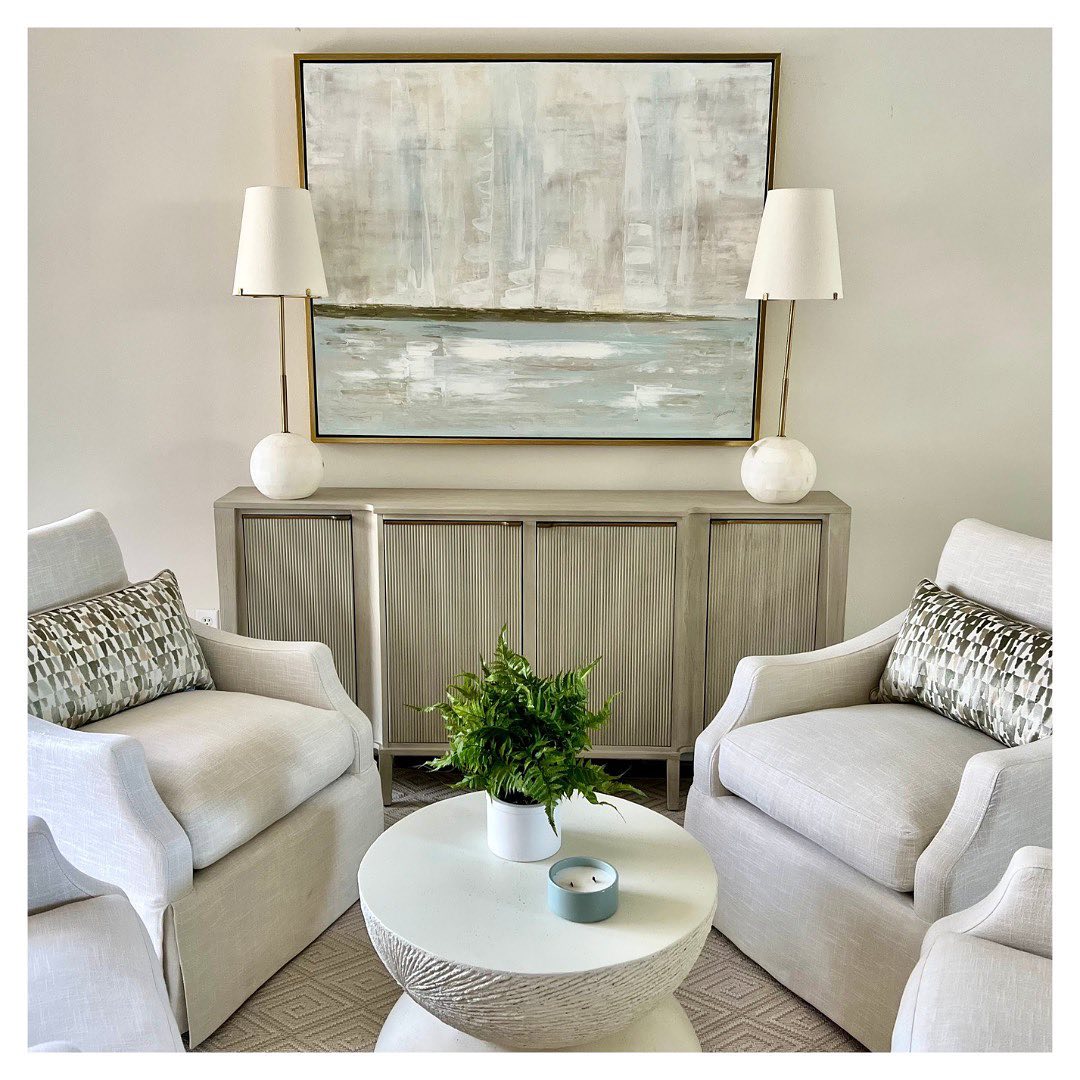
Four upholstered armchairs turn this small sitting room into a circle for conversation. Their pale fabric keeps the grouping light, while curved arms give every seat its own comfortable boundary.
A compact white table brings everyone within reach of a candle or drink without filling the center with a heavy rectangle. Behind the chairs, a reeded cabinet supplies storage and a steady backdrop.
Matching lamps frame a large abstract painting, creating height above the low seating. Borrow the arrangement by choosing chairs with similar proportions and leaving small gaps between them.
Repeat a restrained palette through pillows, artwork, and rug, then introduce one leafy plant for contrast. The result feels composed enough for guests and comfortable enough for morning coffee.
2. Create a Reading Lounge With Twin Chaises
Credits: Instagram
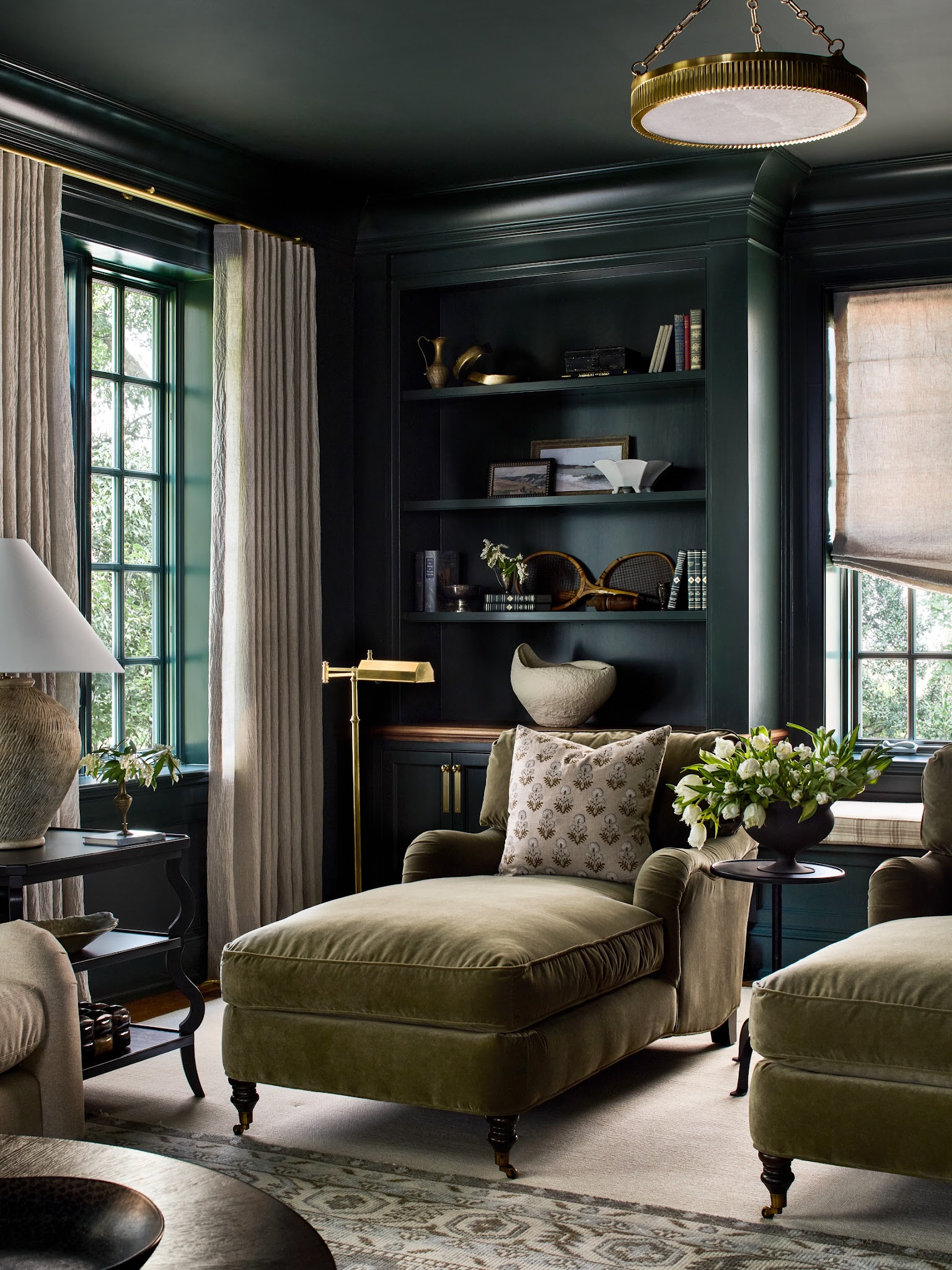
Two olive velvet chaises make this library feel ready for an unhurried afternoon. Each offers space to stretch out independently, with rolled arms and loose pillows softening the tailored shape.
A small pedestal table fits between them, while a brass reading lamp reaches toward the nearer seat. Deep green paint continues across the ceiling, trim, and bookcase, giving the room a sheltered feeling.
Pale curtains and a light rug keep that rich backdrop from overwhelming the upholstery. Recreate the idea in a dedicated reading room by measuring the full length of each chaise and preserving a clear route past the foot.
Use compact tables for essentials, then keep nearby shelves arranged so the furniture remains the focus of the room.
3. Keep a Small TV Room Light With Two Chairs
Credits: Instagram
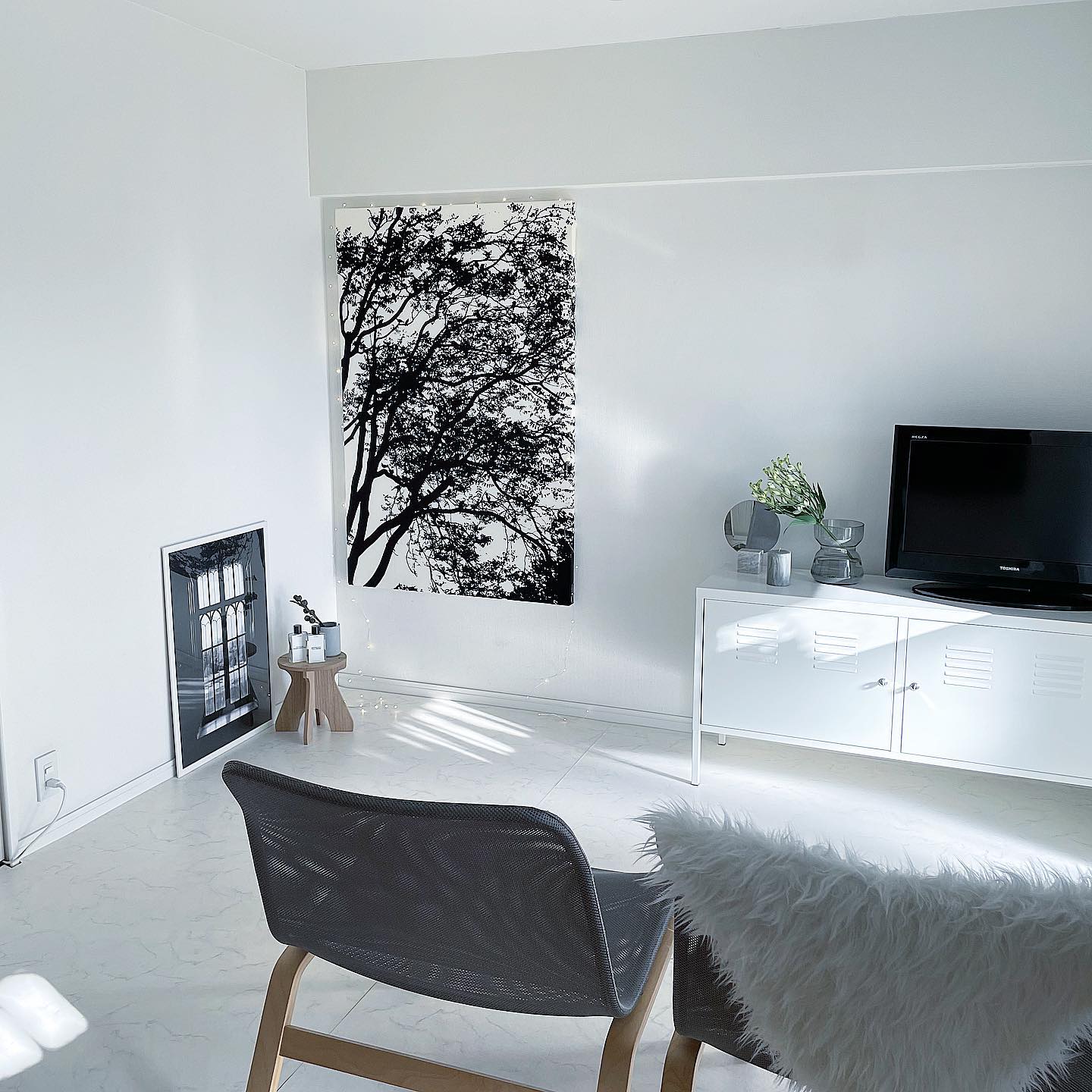
Two low chairs give this white living room a clear, simple purpose without crowding its floor. Their slim wooden frames and dark fabric backs offer a little contrast against the pale walls and media cabinet.
A fluffy white throw softens one seat, adding comfort without another piece of furniture. The large tree print supplies the strongest pattern, while a smaller framed photograph leans near a compact wooden stool.
Use this approach when a pair of seats covers your everyday needs. Position them for a comfortable view of the screen, then leave the surrounding floor open.
Keeping the cabinet and walls close in color helps the artwork and chairs carry the room, with just enough texture to avoid a stark finish.
4. Pair Flexible Beanbags With a Low Oval Table
Credits: Instagram
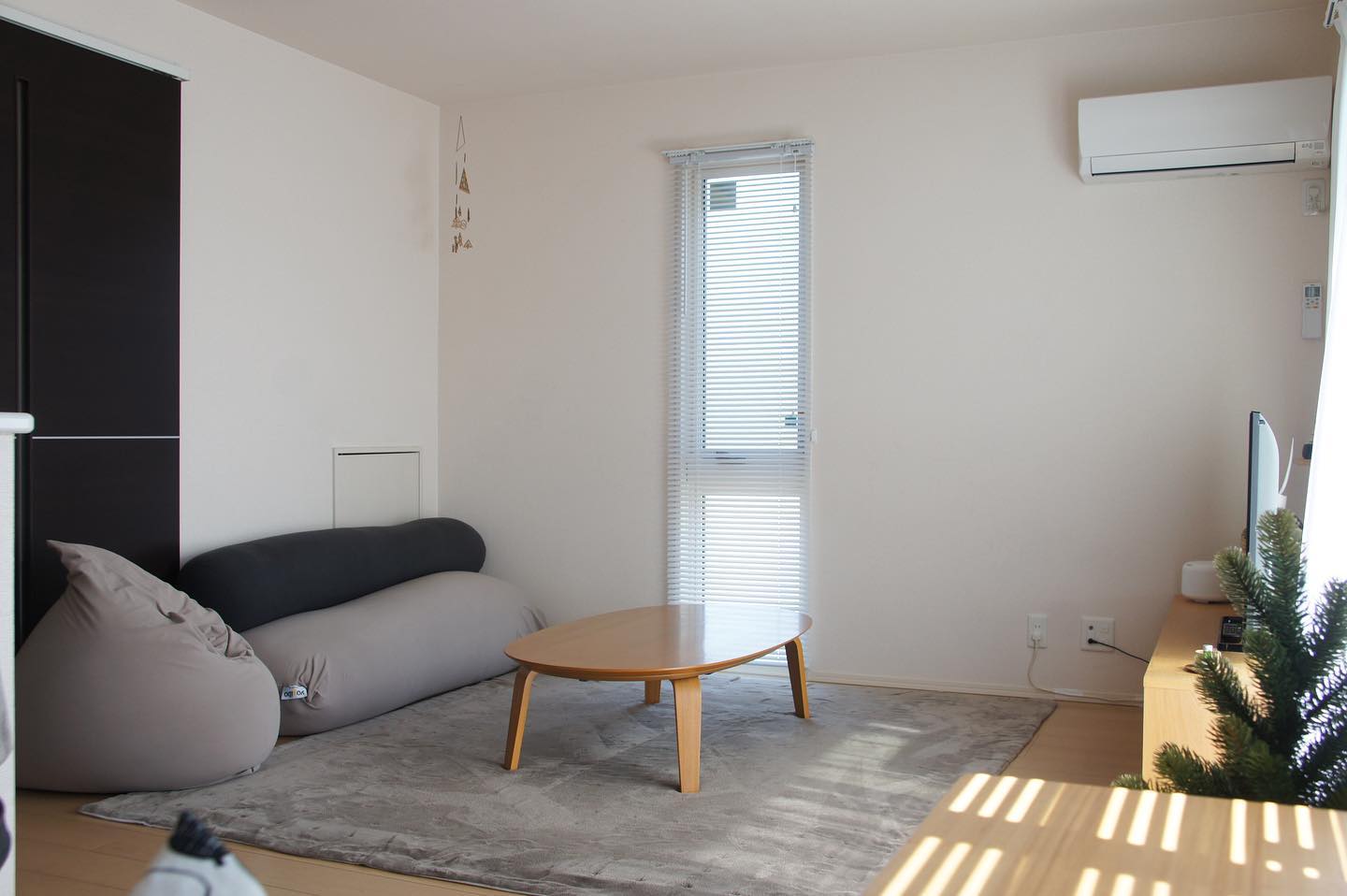
Soft gray beanbags and an oval wooden table establish a relaxed gathering spot in this compact family living room. The seating rests along one side of the rug, leaving a generous open patch in front of the television.
A long dark bolster adds another layer of support, while the pale rug connects the pieces without introducing a busy pattern. This arrangement works well when you want to sit, recline, or shift positions easily.
Choose a table low enough to reach from the cushions and keep its edges rounded where people move around it. Simple blinds and mostly bare walls reinforce the uncluttered feeling.
A small hanging mobile adds interest above the seating without using any of the available floor space.
5. Let Movable Beanbags Keep the Center Open
Credits: Instagram
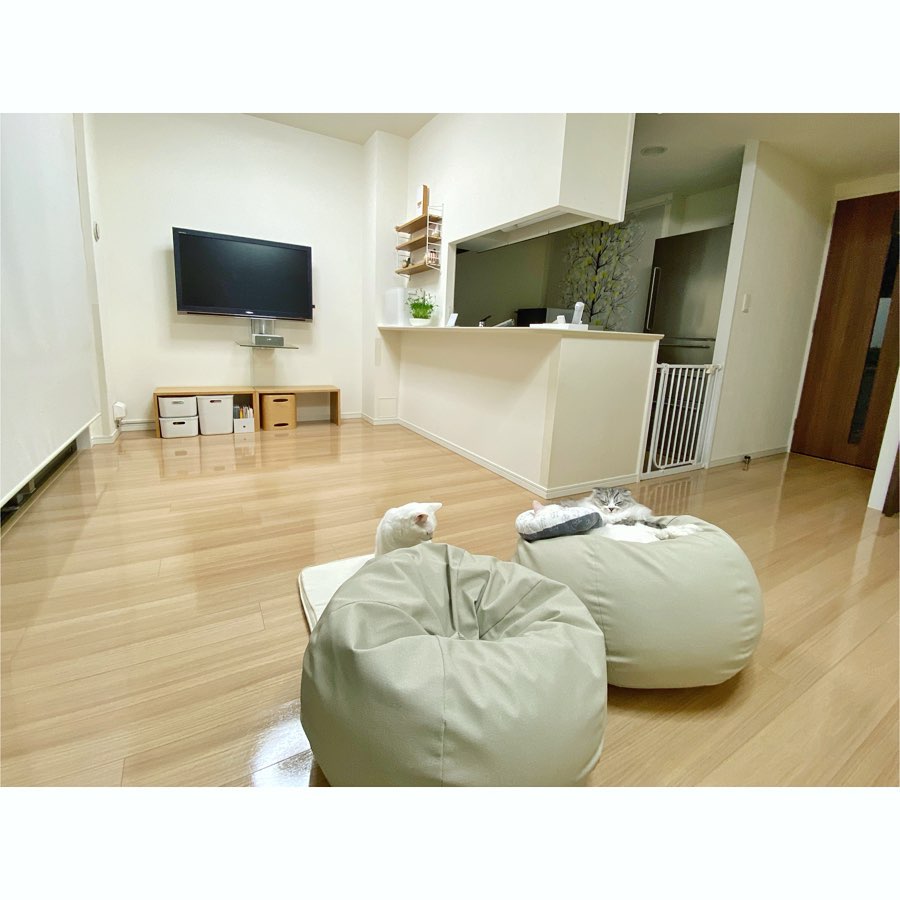
Two pale beanbags form an informal viewing spot in this open living area, with cats already enjoying the soft surfaces. The television hangs above a low wooden shelf, and the kitchen counter defines the opposite edge of the room.
Most of the wood floor stays visible, making the layout easy to understand at a glance. Instead of building the room around a fixed seating footprint, try a pair of cushions that can move when activities change.
Keep everyday storage along the wall so the center stays useful. Matching light covers help the beanbags blend with the surrounding white surfaces, while their rounded shapes soften the straight lines of the counter and cabinet. The idea suits a deliberately pared back home.
6. Make a Minimal Media Lounge With Two Floor Seats
Credits: Instagram
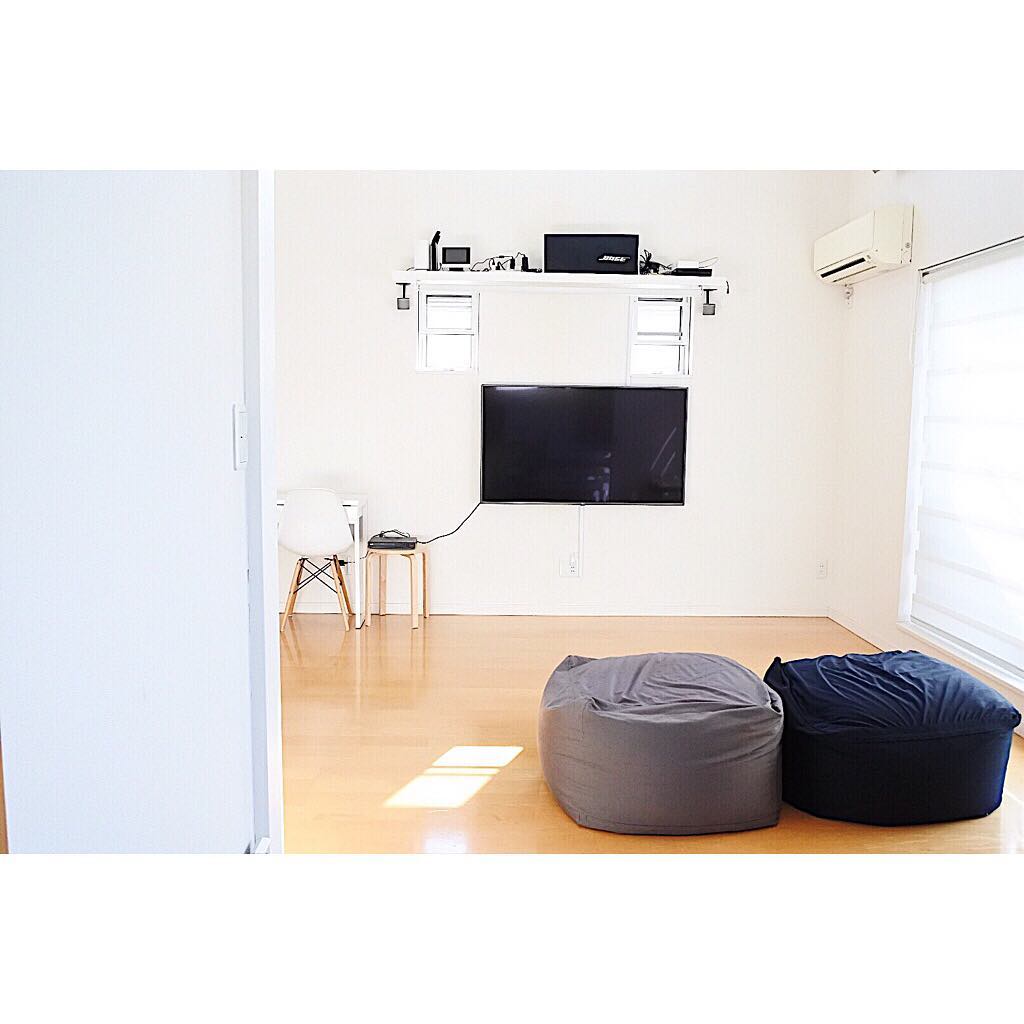
Gray and navy floor seats are the main furnishings in this bright television area. Their compact shapes sit together on the wooden floor, leaving the route through the room open.
The wall mounted screen keeps a media console out of the arrangement, while a small desk and chair tuck into the far corner. This example shows how a living room can serve relaxation with a very limited furniture collection.
Start with supportive beanbags sized for the people who will use them, then test their distance from the screen before arranging anything else. A restrained palette makes the two different covers feel intentional.
Keep cables organized and choose window coverings that manage glare so the spare layout remains comfortable in use.
7. Share the Family Room Between Lounging and Play
Credits: Instagram
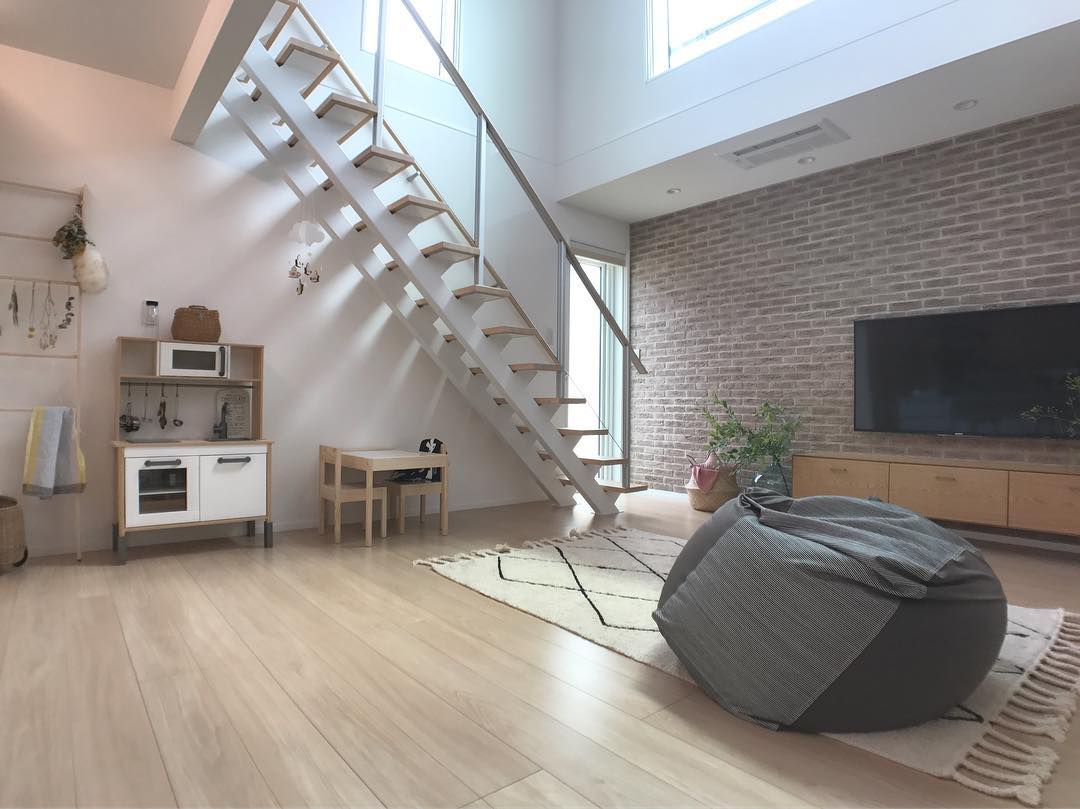
A large gray beanbag anchors the television area while leaving plenty of floor for play. The patterned rug marks that comfortable spot, and its light background connects with the pale wood floor.
Beneath the open staircase, a miniature kitchen and small table create a separate activity area without another partition. The brick patterned television wall provides texture in an otherwise quiet palette.
Borrow this layout when the living room needs to change throughout the day. Keep the lounging seat easy to move and use a rug to give it a home.
Place smaller activity furniture against the perimeter, preserving the central route. Low storage beneath the screen can help everyday objects stay close while maintaining the room's airy, uncluttered feeling.
8. Mix Floor Cushions With One Colorful Accent Chair
Credits: Instagram
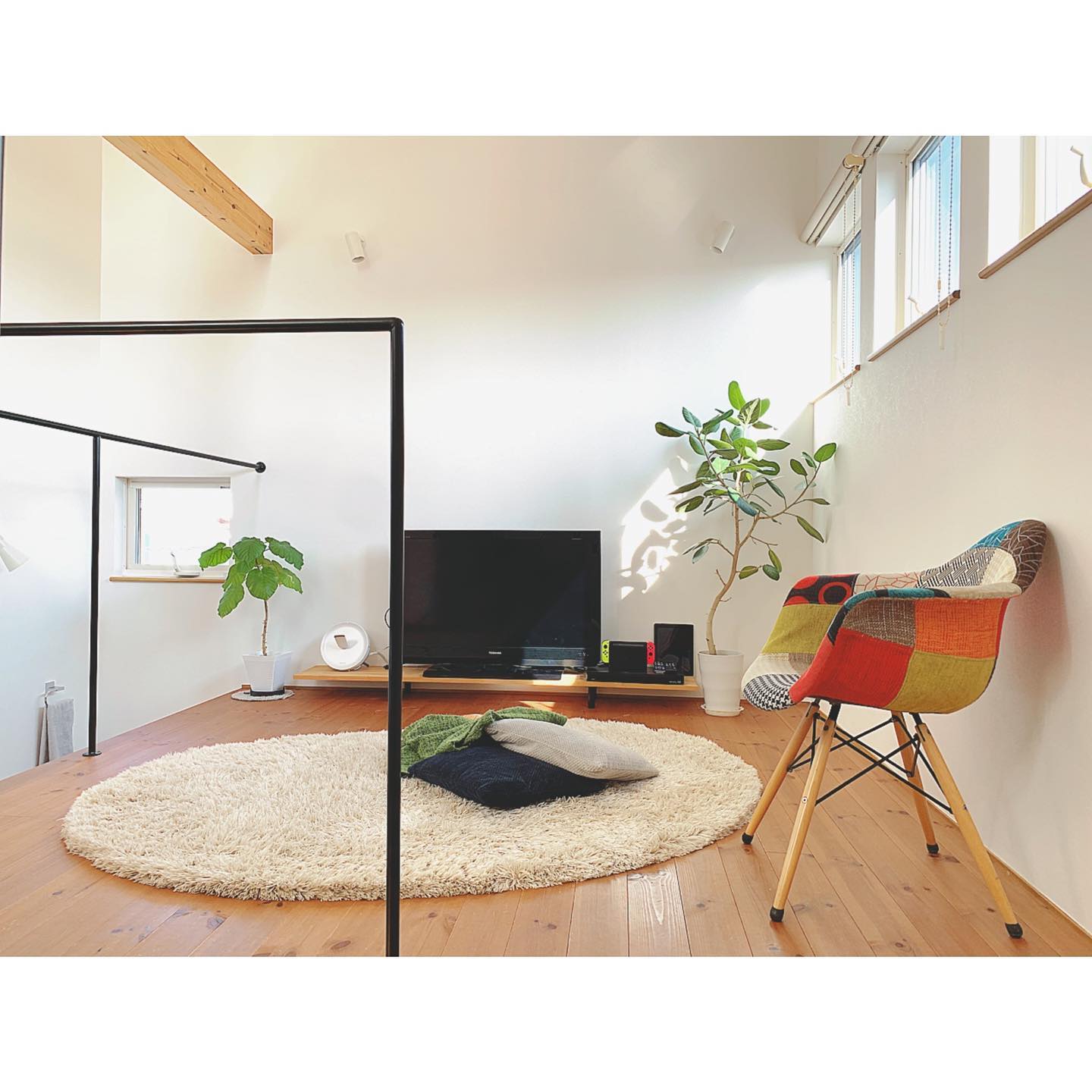
A round shag rug and a few loose cushions make the center of this raised living area inviting. Beside them, a patchwork armchair supplies a higher perch and a concentrated burst of color.
The television sits on a low wooden platform between two plants, keeping the furnishings close to the floor beneath the tall walls. This combination offers different ways to relax without filling the small room.
Begin with a generous rug, add cushions with enough substance for sitting, and choose one chair that brings personality. Repeat its colors sparingly so the upholstery stays special.
The open arrangement also lets the warm wood floor and high windows contribute to the atmosphere, making the modest footprint feel bright and thoughtfully furnished.
9. Give a Compact Living Area One Comfortable Lounge Chair
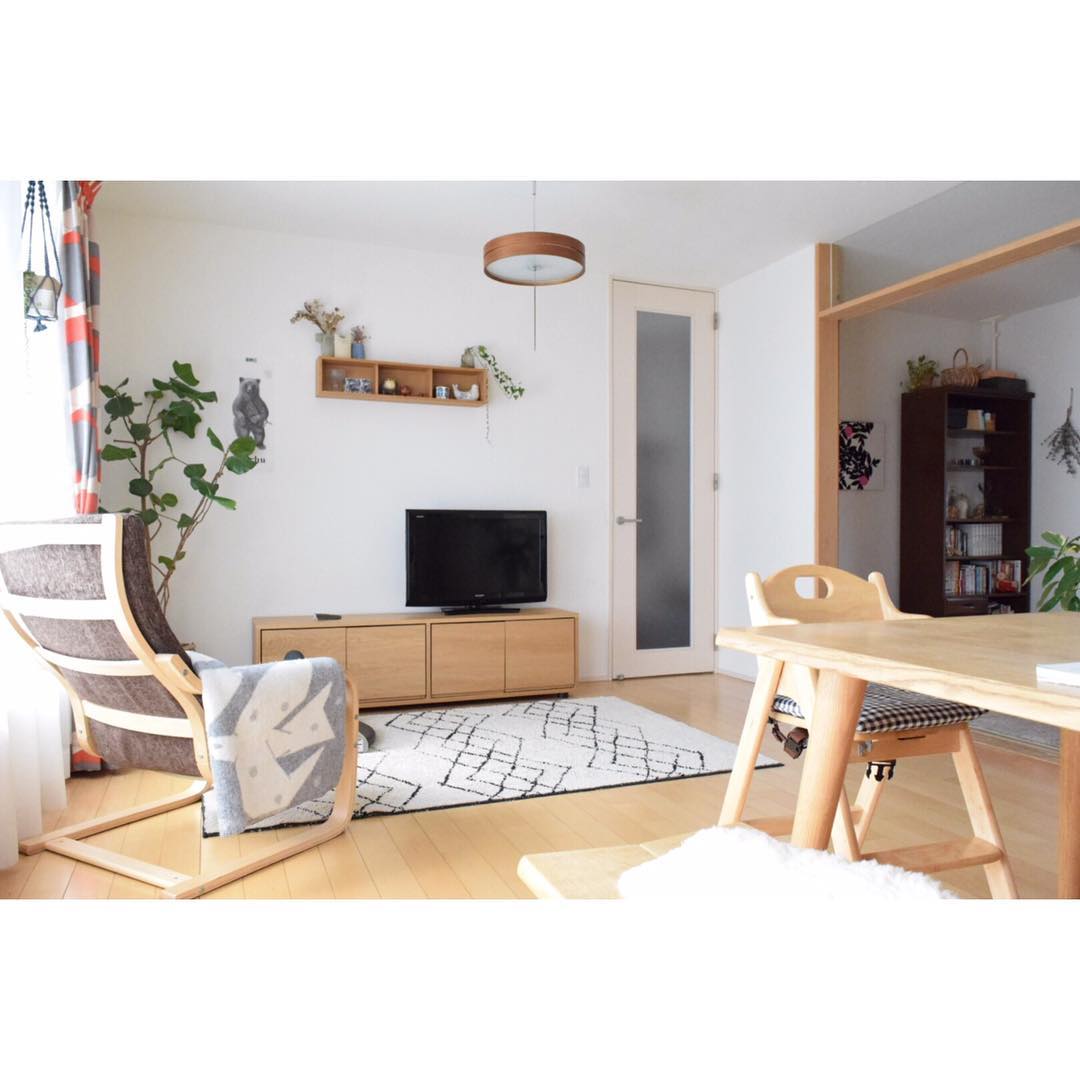
Credits: Instagram
One wooden lounge chair gives this small living area a place to unwind beside the dining space. Its curved frame and tall upholstered back provide a clear contrast to the straight media cabinet.
A patterned rug defines the television zone, while a draped blanket makes the chair feel ready for everyday use.
The room keeps decoration light: a narrow wall shelf, a hanging plant, and a larger leafy plant introduce interest without covering the floor. Try this idea when you usually relax alone and need to preserve space for another activity nearby.
Choose your chair for comfort first, then align it with the view you use most. Coordinated wood tones help the living and dining furnishings belong in one room.
10. Use a Deep Rug as the Base for Floor Seating
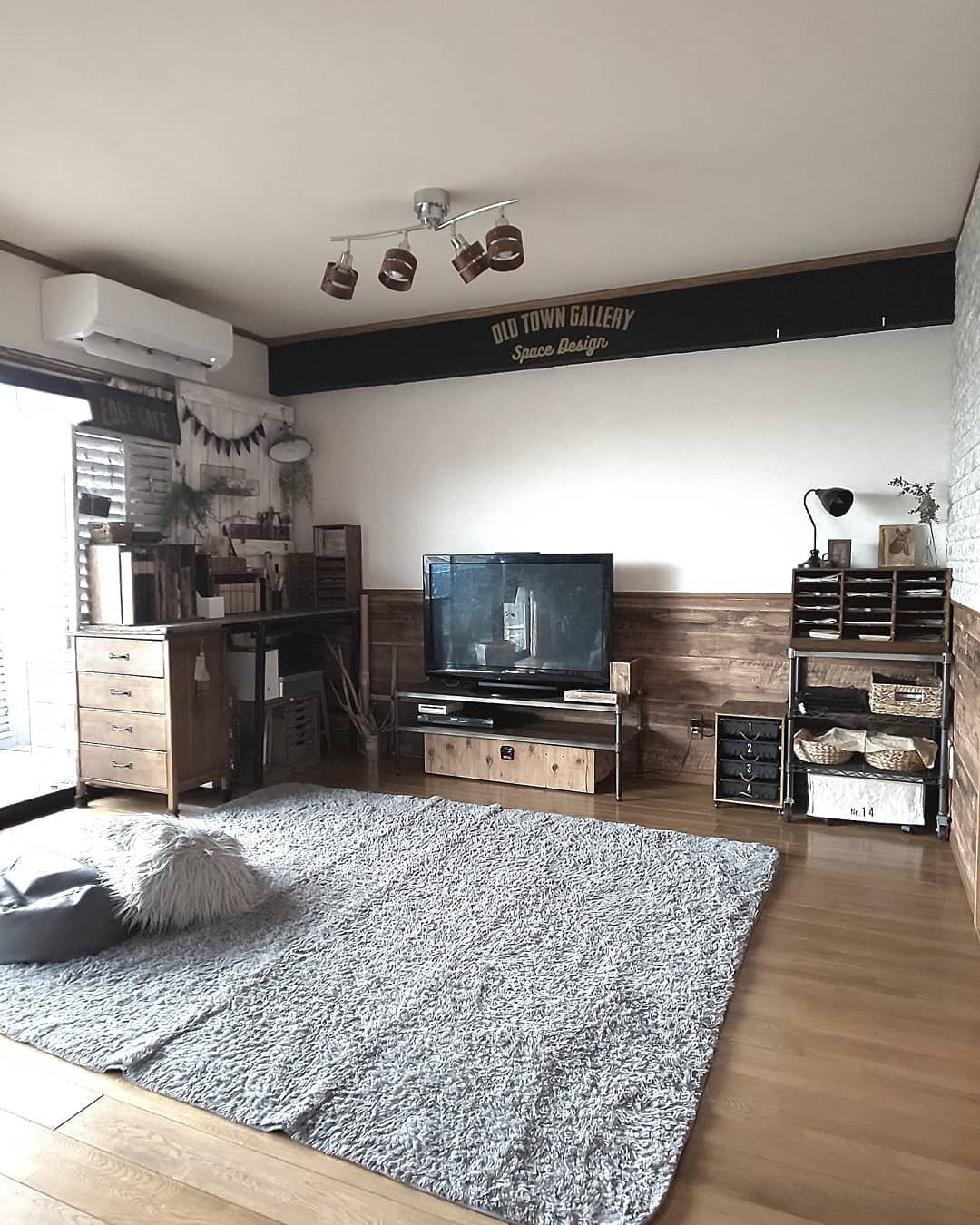
Credits: Instagram
A large gray shag rug creates the soft center of this living room, with loose cushions ready for sitting or leaning. The television and storage stay around the edges, so the middle remains available for changing activities.
Wooden drawers, open shelving, and a long desk give the room character while keeping useful objects close. The restrained gray and brown palette makes the mixture feel connected.
To borrow this approach, choose a rug that feels comfortable underfoot and pair it with substantial cushions that can be gathered away afterward. Keep the route to doors and windows clear, and give smaller belongings a place along the perimeter.
The result is a flexible floor lounge with warmth, texture, and room to spread out.
11. Build a Fireplace Conversation Circle With Matching Club Chairs
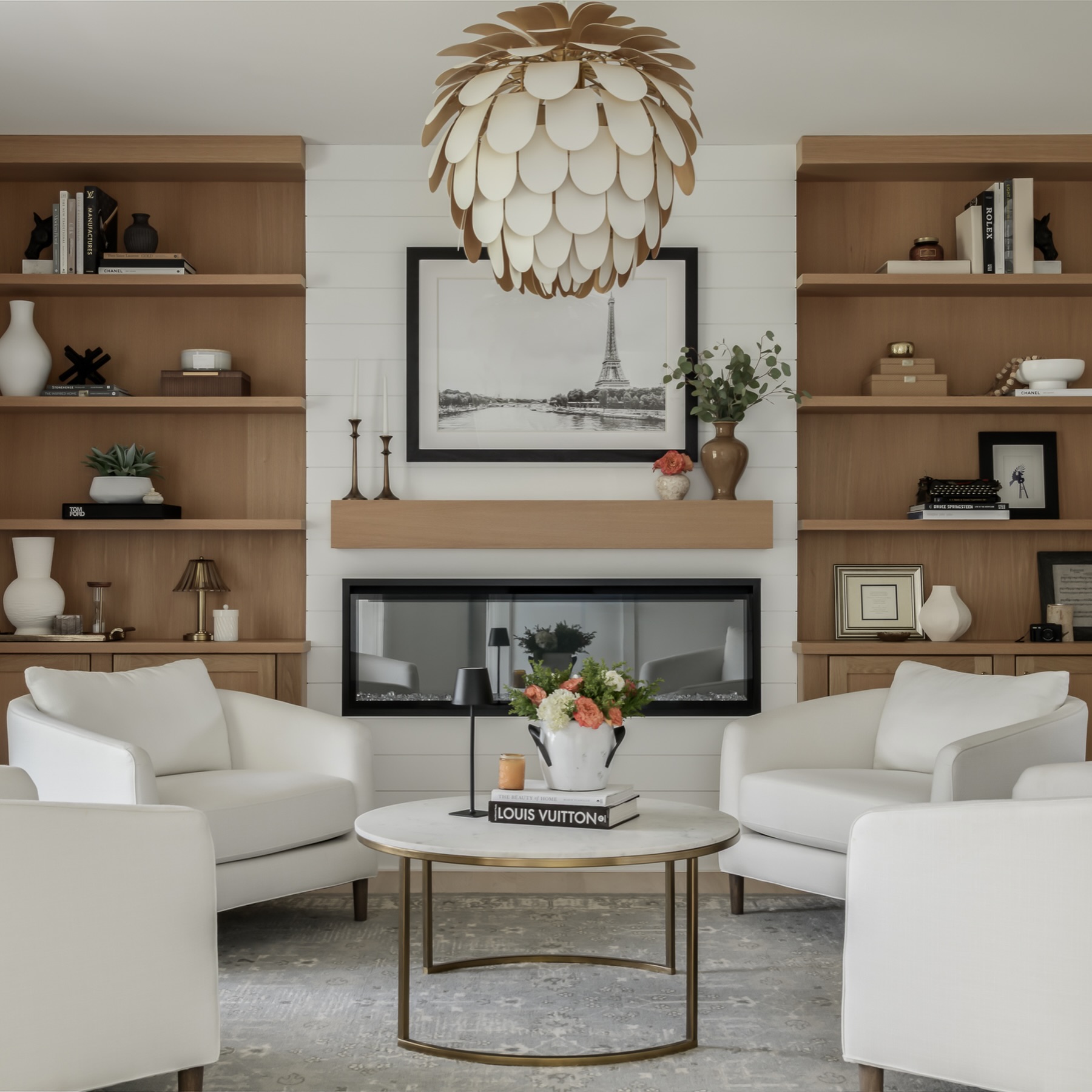
Credits: Instagram
Four white club chairs give this sitting room a clear purpose: comfortable conversation around a shared table. Their rounded backs soften the symmetrical fireplace wall, while the circular marble tabletop keeps every seat connected.
Warm wood shelves and a pendant prevent the pale upholstery from feeling stark. Use a generous rug to hold the entire group together, with each chair close enough to reach the center.
Built-in storage can take over the practical duties that might otherwise require extra furniture beside the seats. A large framed photograph above the mantel supplies a calm focal point.
Keep shelf displays spaced out, then repeat a few dark accents through books, frames, and candlesticks to give the room definition without overwhelming the chairs.
12. Surround a Low Table With Leather Poufs and Books
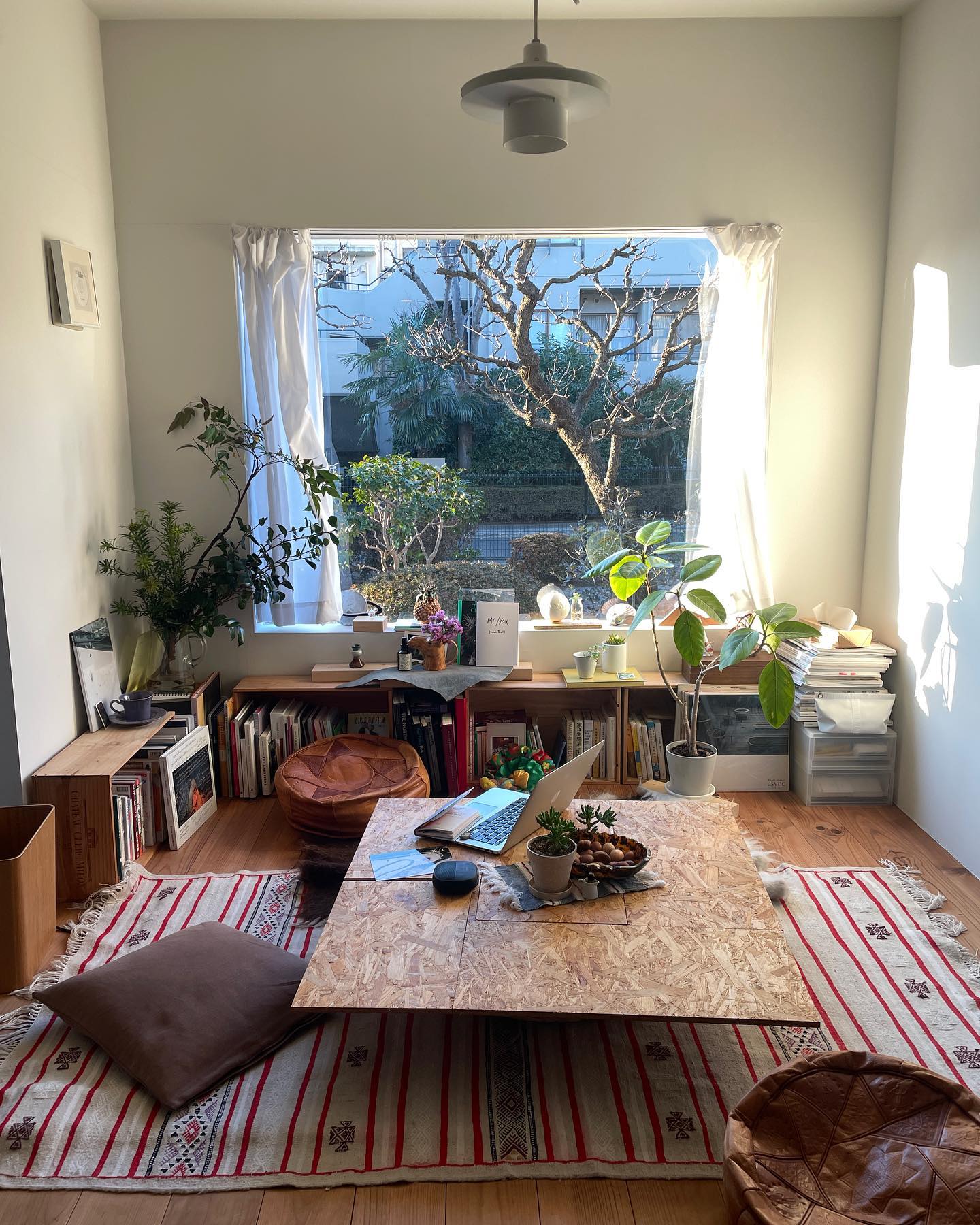
Credits: Instagram
This sunny living area puts reading, conversation, and everyday projects within easy reach of the floor. Two leather poufs and a loose cushion gather around a broad, low table, while short bookcases follow the walls beneath the window.
The striped rug gives the arrangement a boundary without closing off the surrounding wood floor. Choose several movable seats so people can settle where they prefer, and keep the table low enough to use comfortably from each one.
The photograph shows how plants and stacked books can bring height around the edges instead of through bulky furniture. A simple pendant leaves the window view open.
Keep frequently used books nearby, and leave enough clear tabletop for a drink, notebook, or small project.
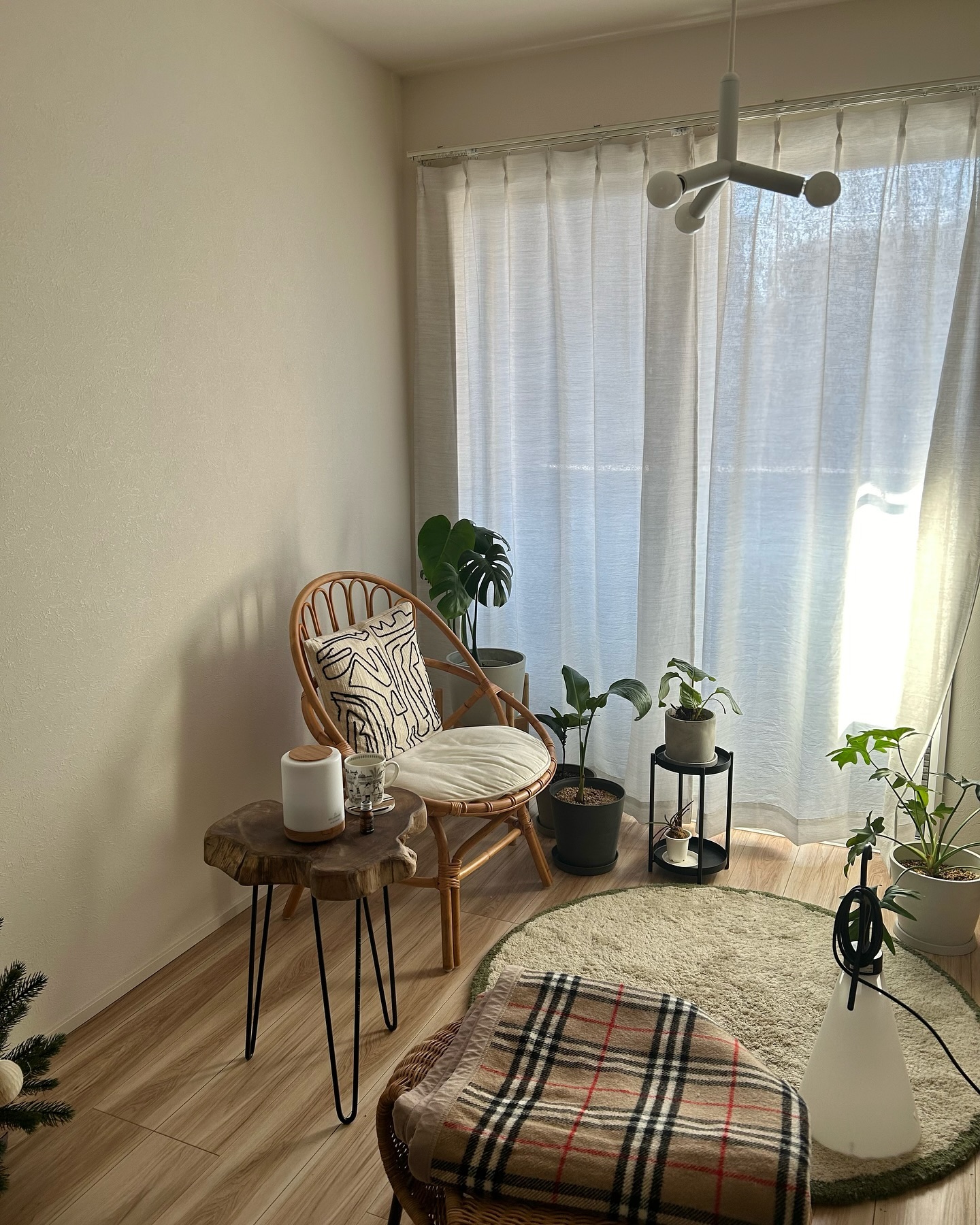
13. Turn a Narrow Living Area Into a Rattan Retreat
Credits: Instagram
A rattan armchair and separate woven ottoman make this narrow living area feel relaxed without filling its floor space. The chair sits beside a small wood slab table, with a light cushion and patterned pillow adding comfort.
Sheer curtains soften the window, and several plants create a leafy backdrop at different heights. Follow the same approach by choosing an open frame chair that lets the floor remain visible underneath.
A compact side table can hold a mug and everyday essentials, leaving the center free for a small round rug. The ottoman adds somewhere to rest your feet and can move when you need more room.
Keep the palette quiet, then use a throw and pillow to introduce pattern and warmth.
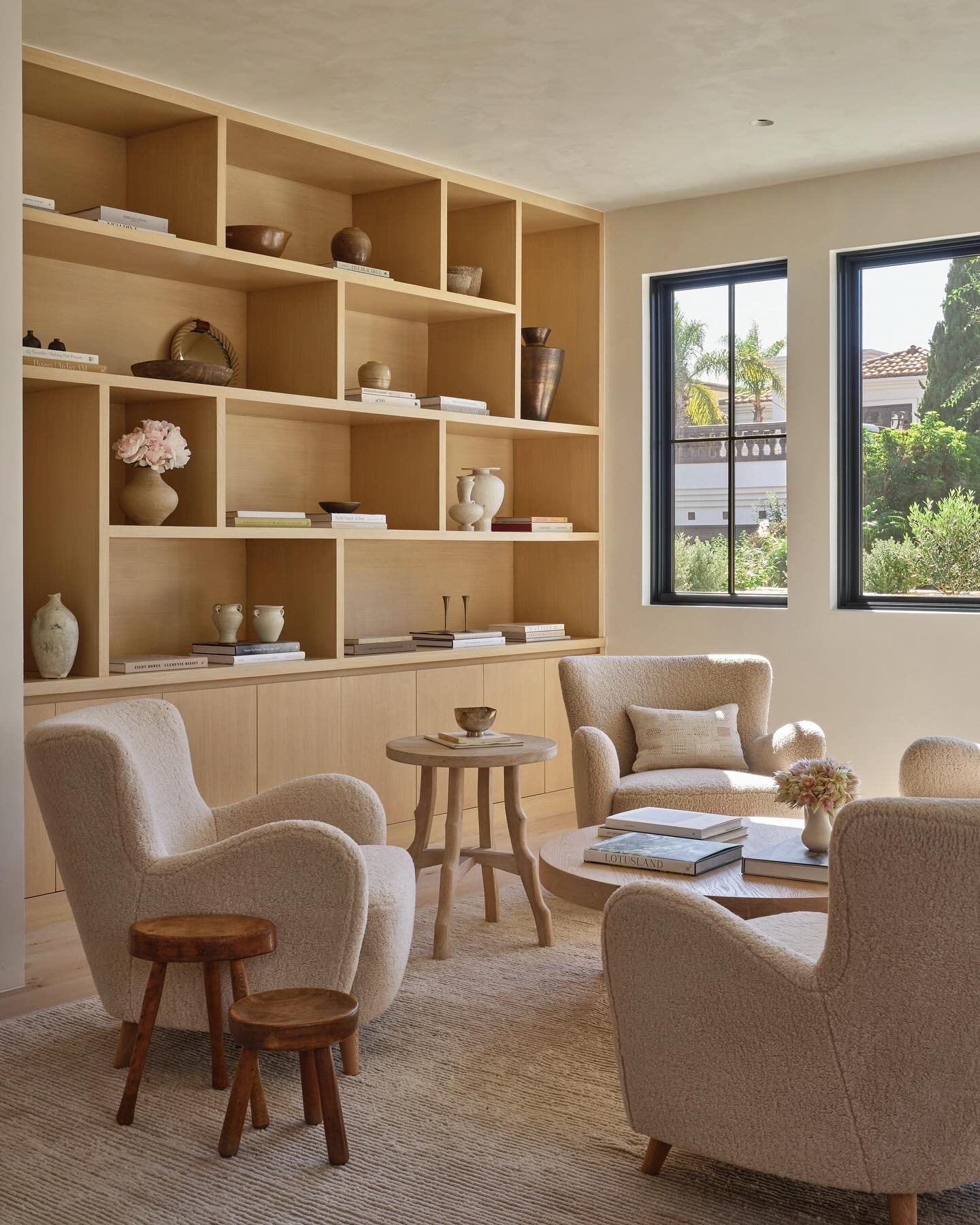
14. Soften a Library Sitting Room With Textured Armchairs
Credits: Instagram
A group of softly textured armchairs turns this library into an inviting place to sit together. The chairs surround a low round table, with smaller wood tables and stools offering extra surfaces near individual seats.
Tall wood shelving gives the room a strong backdrop, while closed cabinets keep the lower wall orderly. Recreate the balance by matching the main chairs, then varying the shapes and heights of the occasional tables.
A pale rug connects the seating without competing with the wood grain. Leave empty spaces between books and pottery so the shelves feel restful from a seated position.
Dark window frames add definition to the quiet palette, and small pillows make each chair feel ready for a relaxed afternoon conversation.
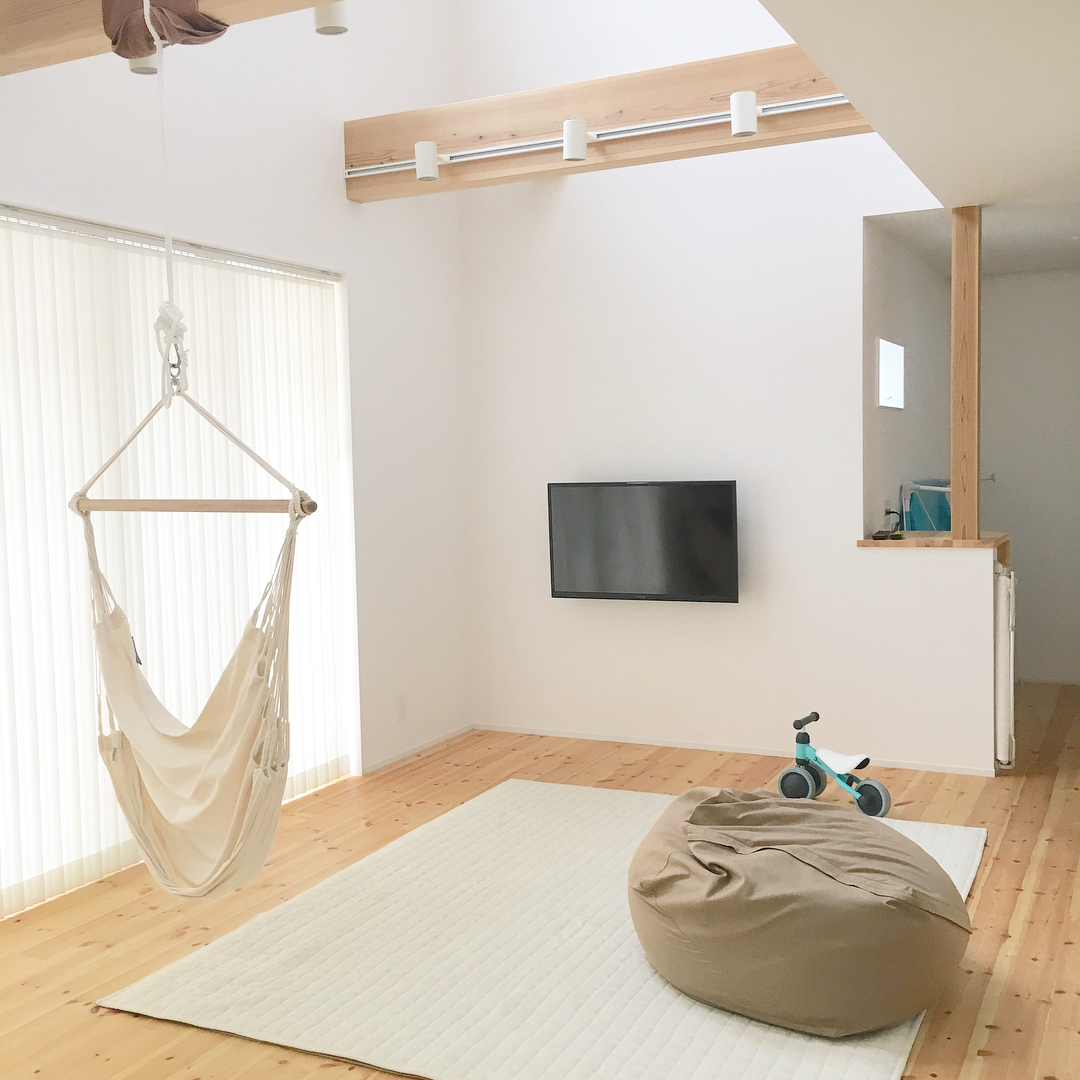
15. Combine a Hammock Chair With a Simple Beanbag
Credits: Instagram
This airy living room makes two different seats feel like a complete arrangement. A fabric hammock chair hangs beside the tall windows, while a large neutral beanbag rests on a pale quilted rug.
The wall-mounted television and clear wood floor keep the room visually simple. Use the rug to mark a comfortable landing place for the floor seat, and leave open space around the hanging chair for movement.
A restrained cream and wood palette helps the seating belong to the architecture. The exposed beam and high ceiling give the room character without needing more furniture.
For a similar layout, have the hanging seat supported by an appropriate structural attachment and keep the surrounding area clear of tables and sharp corners.
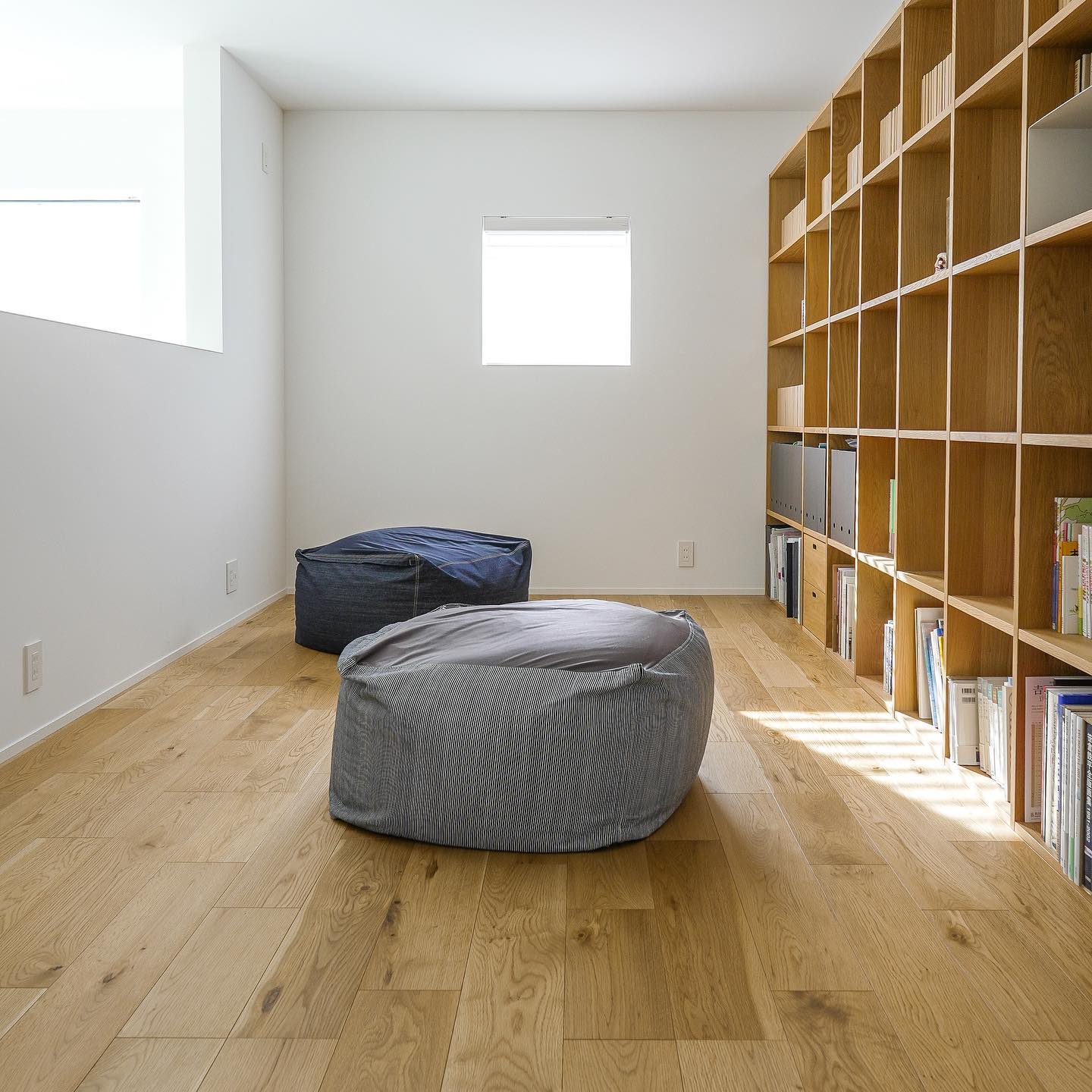
16. Make a Dedicated Reading Room With Two Beanbags
Credits: Instagram
Two beanbags are enough to make this book-lined room feel ready for a quiet afternoon. One dark blue seat and one striped gray seat sit opposite a wall of open wood shelving, with plenty of clear floor around them.
The arrangement keeps attention on books and daylight instead of a large upholstered centerpiece. Try this in a separate reading room or compact library where flexible, low seating suits the way you relax.
Keep favorite books in the lower shelves so they are easy to reach from the floor. The tall storage brings useful capacity while the individual seats remain easy to reposition.
White walls and window shades let the wood tones and small patches of sunlight provide the visual warmth.
17. Balance a Soft Floor Seat With Practical Wall Storage
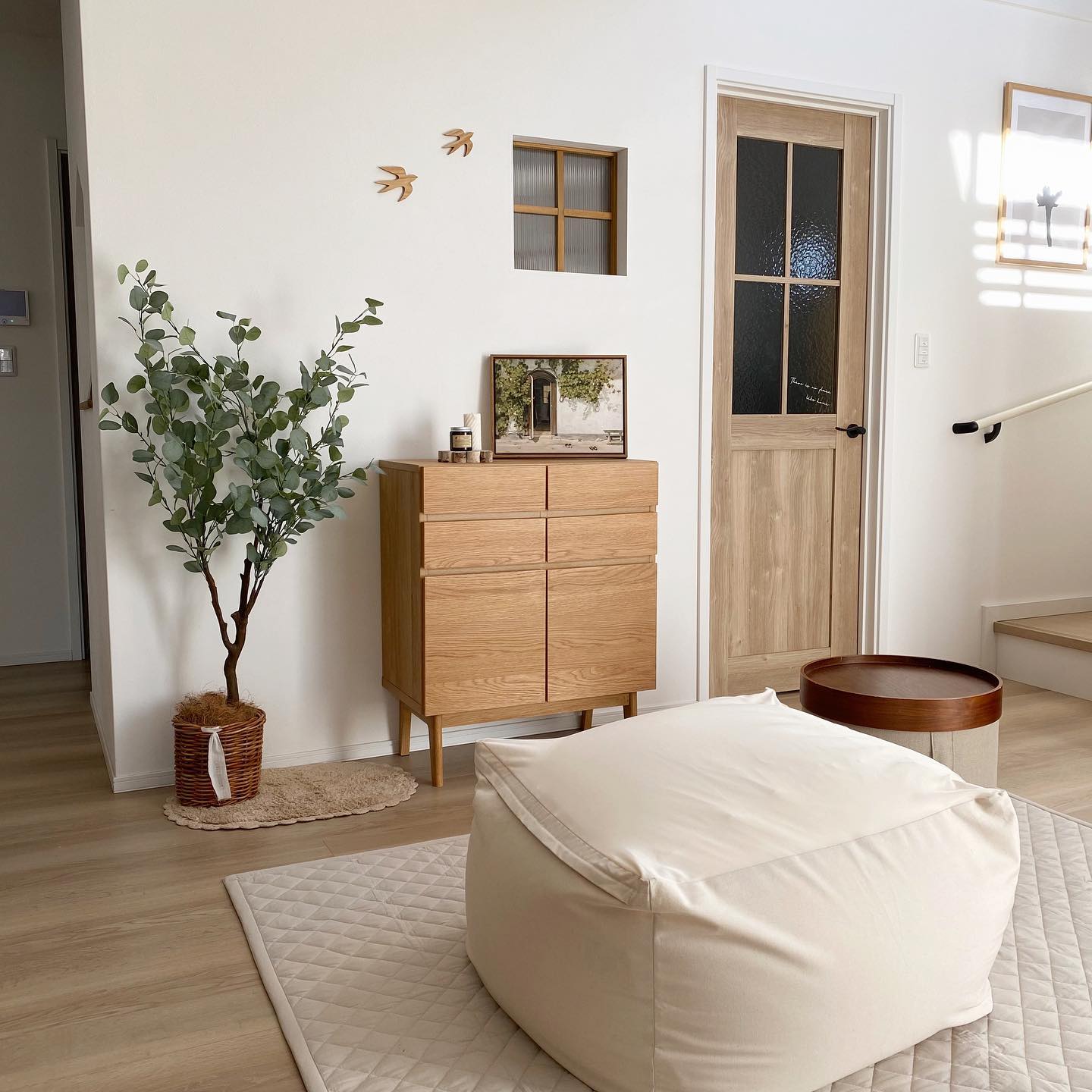
Credits: Instagram
A white beanbag becomes the relaxed focal point of this light living room, while a wood cabinet handles storage along the wall. The round tray table gives the seating area a useful surface without adding a large coffee table.
A quilted rug keeps the floor arrangement visually connected, and the cabinet, door, and small interior window repeat warm wood tones. This is a useful formula when you want flexible seating but still need the room to feel organized.
Choose a soft seat that can shift around the rug, then keep heavier storage furniture at the perimeter. A leafy plant and a framed picture add interest above floor level.
Decorative birds finish the wall without making the simple setting feel crowded.
18. Let Tatami and a Garden View Shape a Quiet Lounge
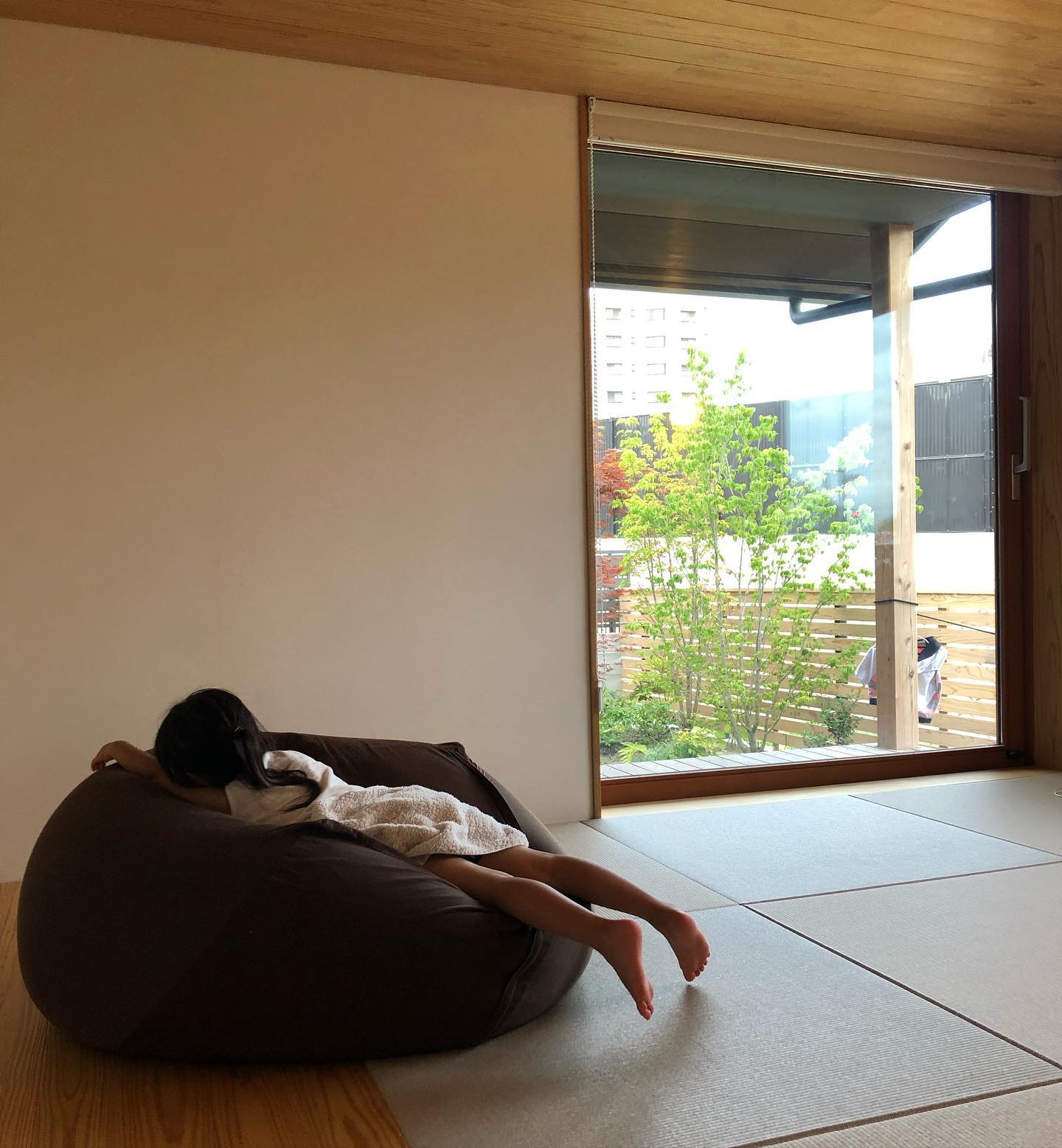
Credits: Instagram
A single brown beanbag gives this tatami sitting area a comfortable place to stretch out while leaving the surrounding floor open. The large window brings the garden close, and warm wood trim connects the interior to the deck beyond.
The photograph shows how little furniture a quiet lounge can need when the floor itself is part of the seating experience.
Keep the soft seat low so it preserves the view and can be moved when you want more open space. A simple roller shade provides a discreet way to control the light.
Use the tatami pattern as the visual structure, with neutral walls and minimal accessories around it. This arrangement works especially well for reading, resting, or enjoying the greenery.
19. Gather Low Seats Around a Solid Wood Table
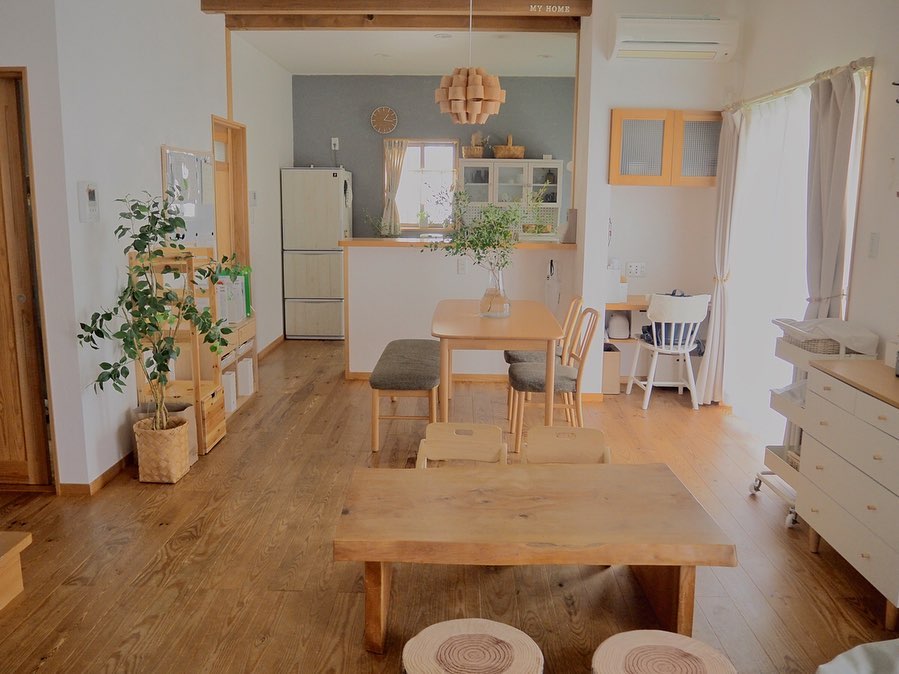
Credits: Instagram
A wood slab table anchors the living area in this warm, open room. Small low chairs sit along one side, with round floor seats opposite them, creating a gathering place that stays close to the floor.
The dining table farther back serves a separate purpose without needing a wall between the two arrangements.
Repeat the wood tones across tables and storage so the whole room feels connected, then use the different furniture heights to make each area understandable.
Plants soften the edges, while a white chest provides useful storage beside the window. Keep the paths around the low table clear so the seats remain easy to approach.
This arrangement suits shared activities, from drawing and games to a relaxed conversation.
20. Leave an Open Floor for Music and Everyday Activities
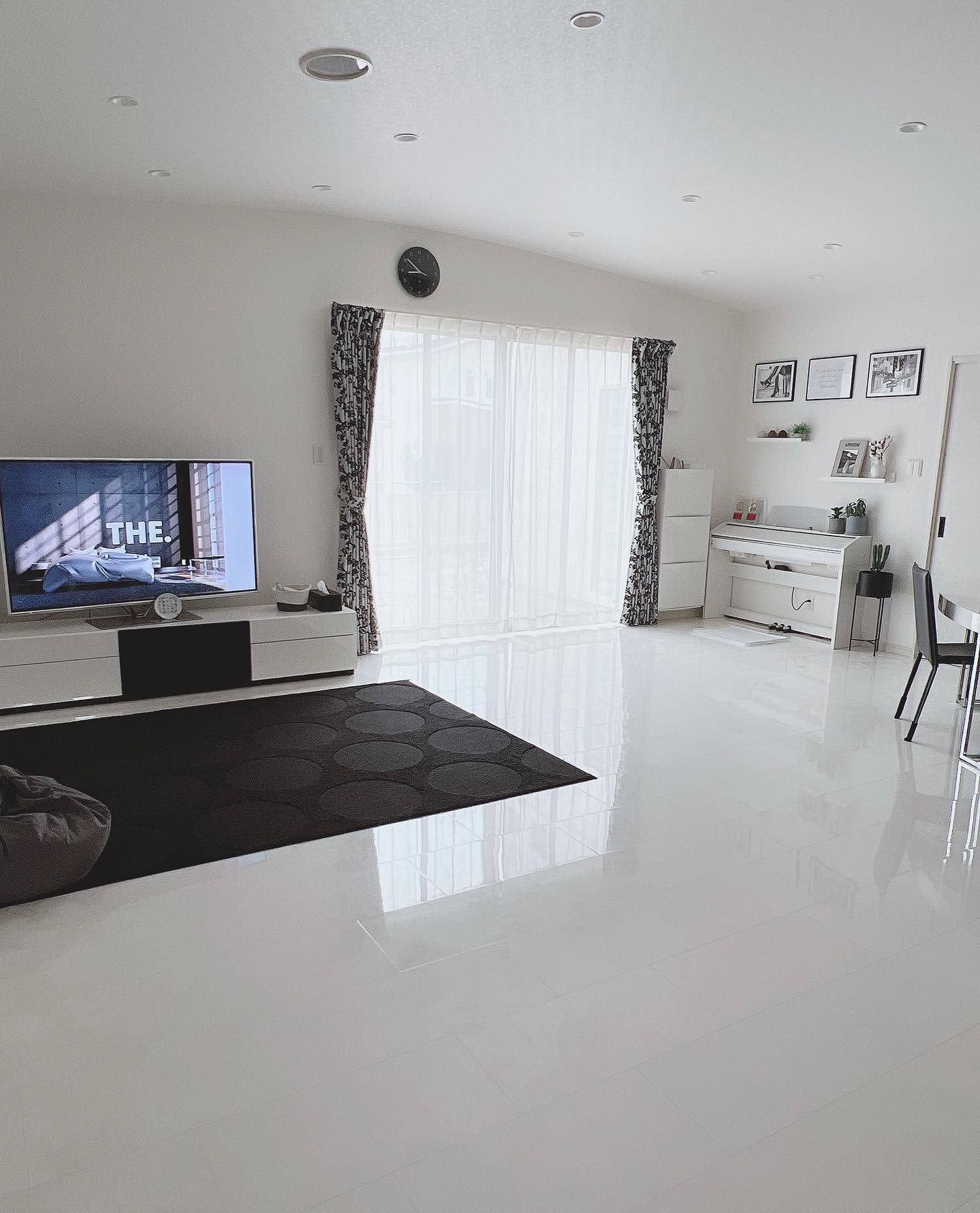
Credits: Instagram
An open stretch of floor makes this living room useful for more than watching television. A gray beanbag rests beside the dark rug, while the piano sits along the far wall with clear space in front.
The furniture remains close to the room's edges, allowing the pale floor and window light to define the center. Try this arrangement when you want room for music, play, or other activities between quiet moments.
A movable beanbag can shift onto the rug for watching television, then move aside again. Keep the media cabinet low and use wall shelves for smaller displays.
Patterned curtains and black frames add contrast to the white room, giving the open layout character without filling it with bulky furniture.