
The wall above a couch can feel unfinished even when the rest of the room is thoughtfully arranged.
Above The Couch Decor Ideas range from one oversized artwork with room to breathe to a personal gallery wall with an uneven rhythm, so the right choice depends on whether you want a calm focal point or a more collected look.
You could also use a scenic mural, statement mirror, or painted shape to frame the seating. A little planning helps each option relate to the couch without crowding the wall.
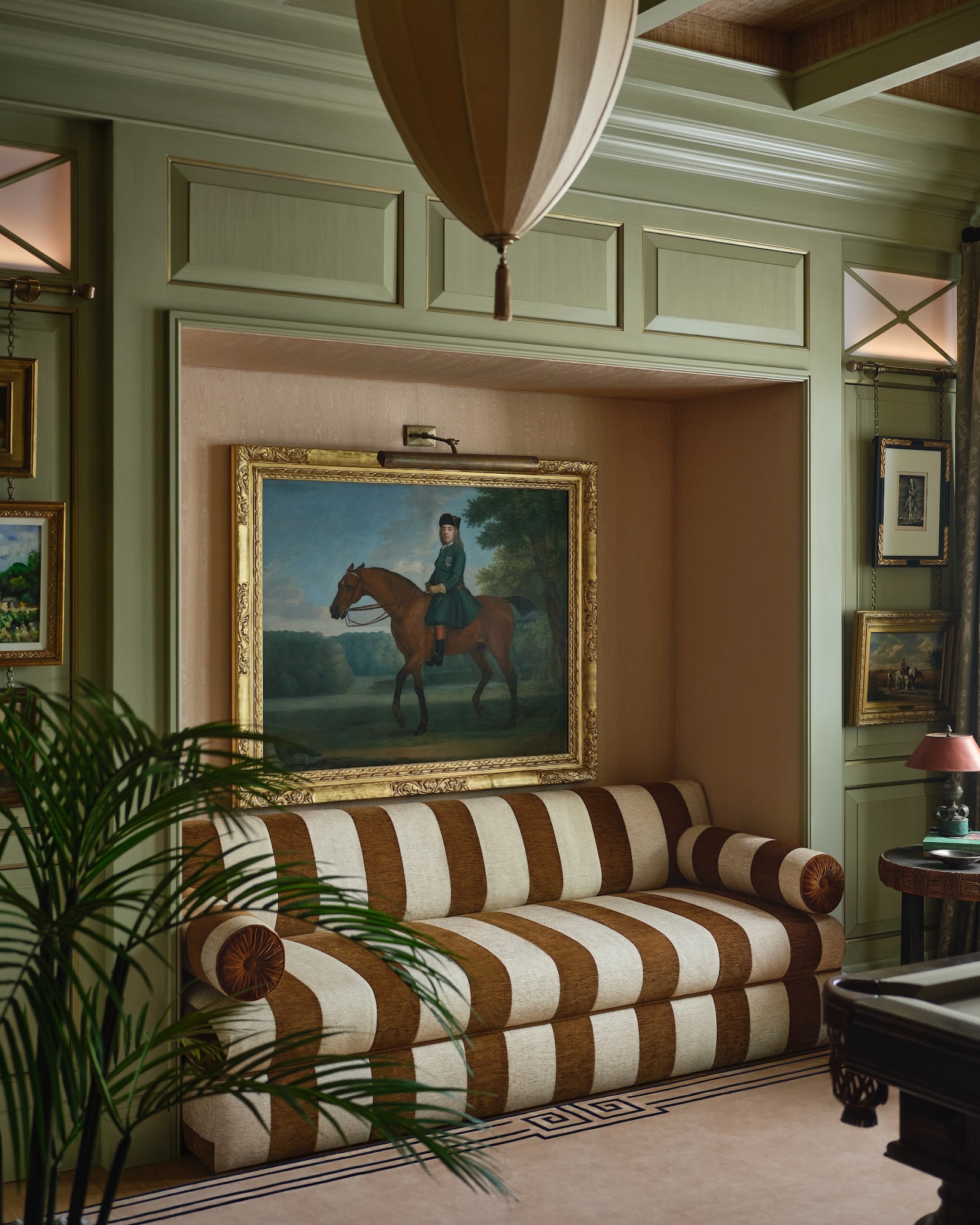
One Oversized Artwork With Room to Breathe
Credits: Instagram
A generous stretch of wall often needs one clear focal point. Consider a large artwork with enough visual weight to hold its own above the couch, then keep nearby accessories quieter.
A classic portrait, quiet landscape, or expressive color study can work, depending on the room. Before choosing, outline the proposed size with paper and check it from the doorway and adjacent seats.
The artwork should feel connected to the couch without crowding its ends or disappearing near the ceiling. Pull one secondary color into a pillow or throw for continuity.
Leave a comfortable gap above seated heads, and use a mounting approach suited to the artwork and wall. One considered piece gives a busy room somewhere restful to look.
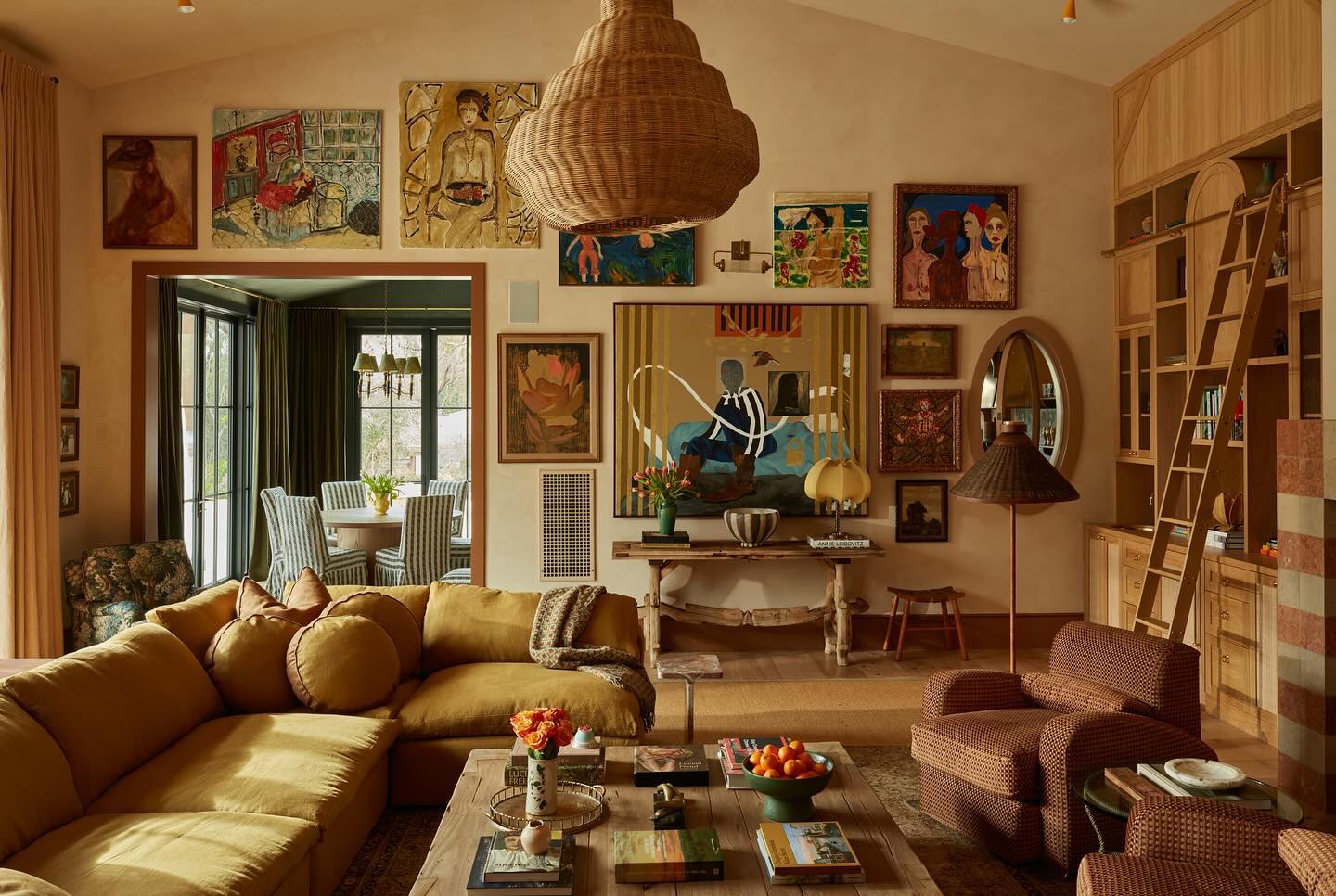
A Personal Gallery Wall With an Uneven Rhythm
Credits: Instagram
Family photographs, small prints, and meaningful sketches can share a wall without matching perfectly. Start with one piece you want to notice first, then arrange the others around it on the floor.
Repeating a frame finish or mat color helps connect different subjects while preserving their individuality. Vary the sizes rather than spacing identical frames across the entire couch.
Photograph the proposed arrangement to spot awkward gaps before making holes. Keep its outline related to the seating below, even if individual edges remain uneven.
Leave room for future additions instead of filling every available inch immediately. For a personal collection, a handwritten note or familiar place may contribute more character than another decorative print chosen only to fill a gap.
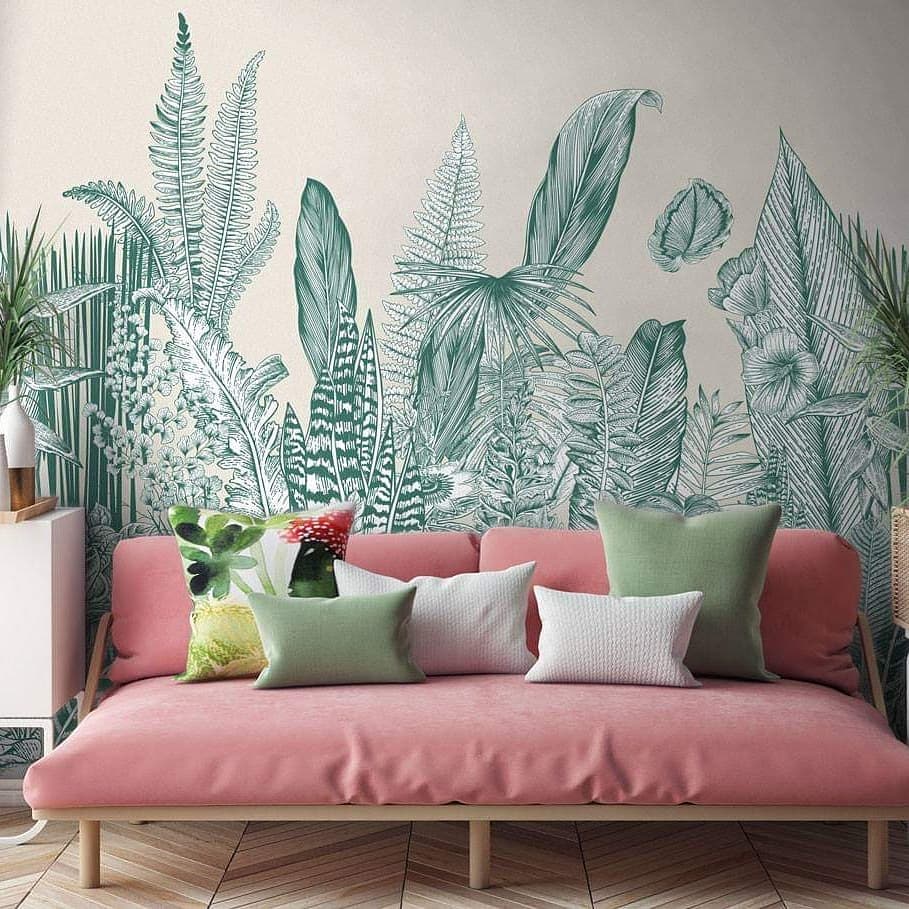
A Scenic Mural That Extends Beyond the Sofa
Credits: Instagram
Imagine the couch sitting against a quiet woodland, distant hills, or an expansive painted sky. A scenic mural can give the whole seating area a setting, especially when the furniture has simple lines.
Study the design preview. An important tree, building, or horizon could disappear behind the backrest.
Choose the crop around the couch position, including nearby doors or windows. Softer contrast may suit a room used for reading and winding down; stronger scenery can carry a more theatrical scheme.
Sample the colors beside the upholstery in daylight and evening light. Keep other wall decorations minimal so the scene remains legible.
If installation needs precise alignment, factor that complexity into the project from the beginning and allow time for adjustments.
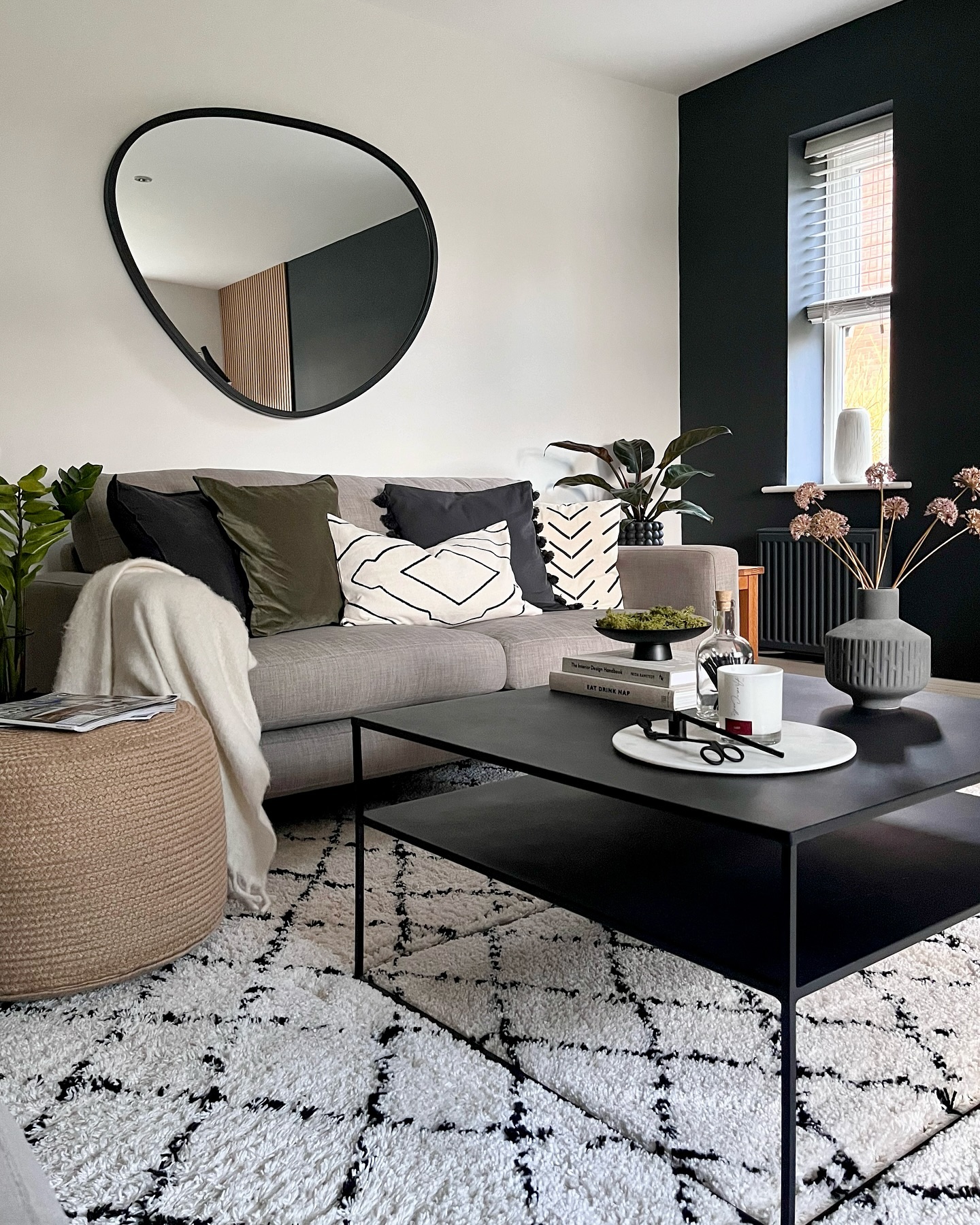
A Statement Mirror With a Considered Reflection
Credits: Instagram
What a mirror reflects matters as much as its frame. Before placing one above the couch, check whether it will catch a window view, a light fixture, or an untidy corner.
A softly rounded outline can interrupt a room full of rectangular furniture, while a narrow frame keeps the effect quieter. Use a paper template to judge the proportions without lifting a heavy piece into position.
Reflections can also introduce glare, so assess the intended spot at different times of day. Since seating sits directly below, have the mirror secured appropriately for its weight and the wall construction; avoid casually leaning it on a ledge.
Treat the reflected scene as part of the composition, keeping distracting objects outside its view.
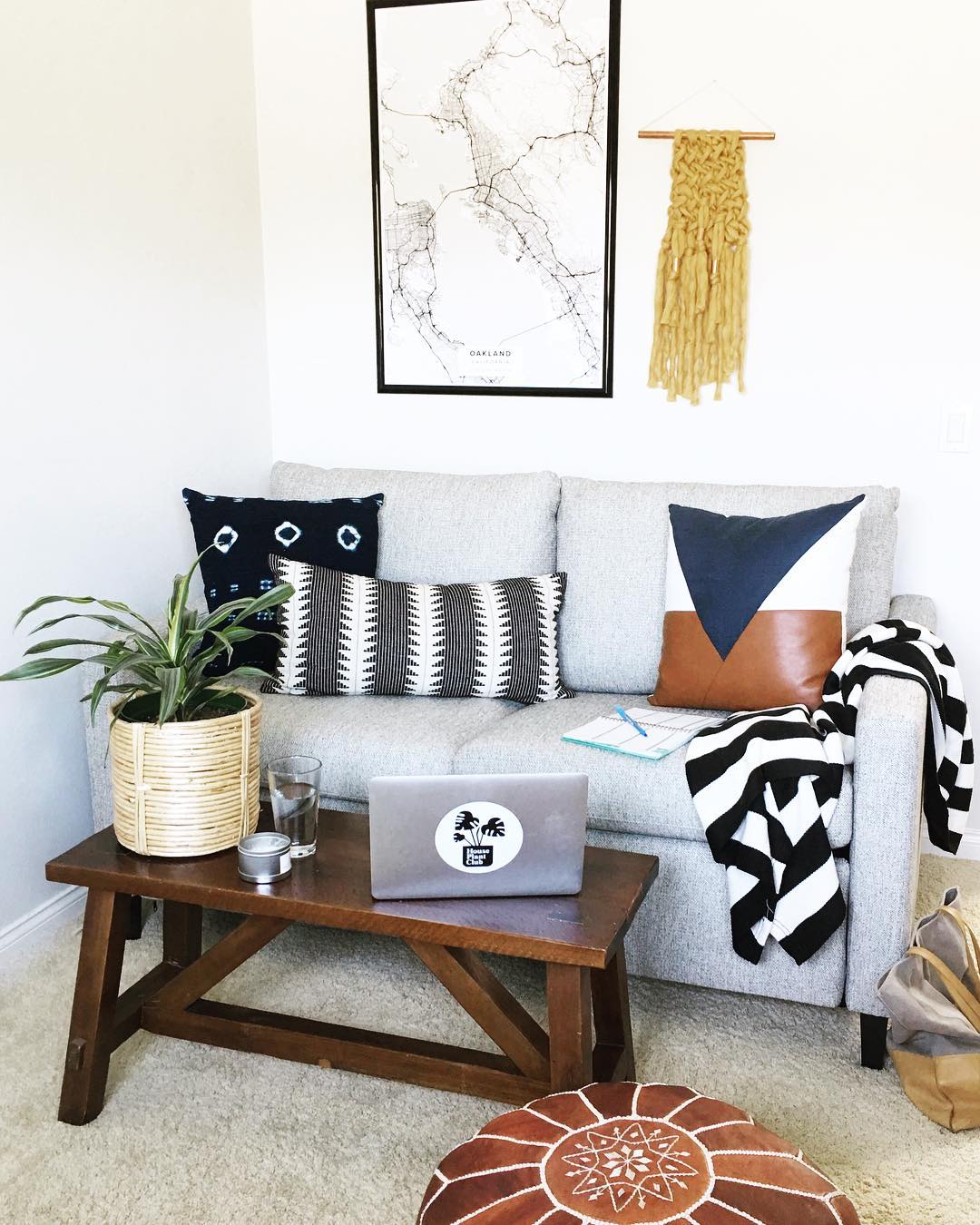
A Woven Wall Hanging With a Clear Silhouette
Credits: Instagram
Texture becomes noticeable when the surrounding room is spare, and a woven hanging can offer pattern, fringe, or an irregular edge above a couch without introducing a glossy surface.
Decide whether you want the textile to blend with the upholstery or stand out against the wall, then choose its colors accordingly.
A simple outline tends to read clearly from across the room, making it worth comparing silhouettes as well as colors. Check that the lower edge will stay clear of heads and hands when people settle into the cushions.
Follow the maker's care and hanging guidance, considering how easily the piece can be cleaned. Echo its texture elsewhere, perhaps in a cushion, while leaving smooth surfaces to balance the room.
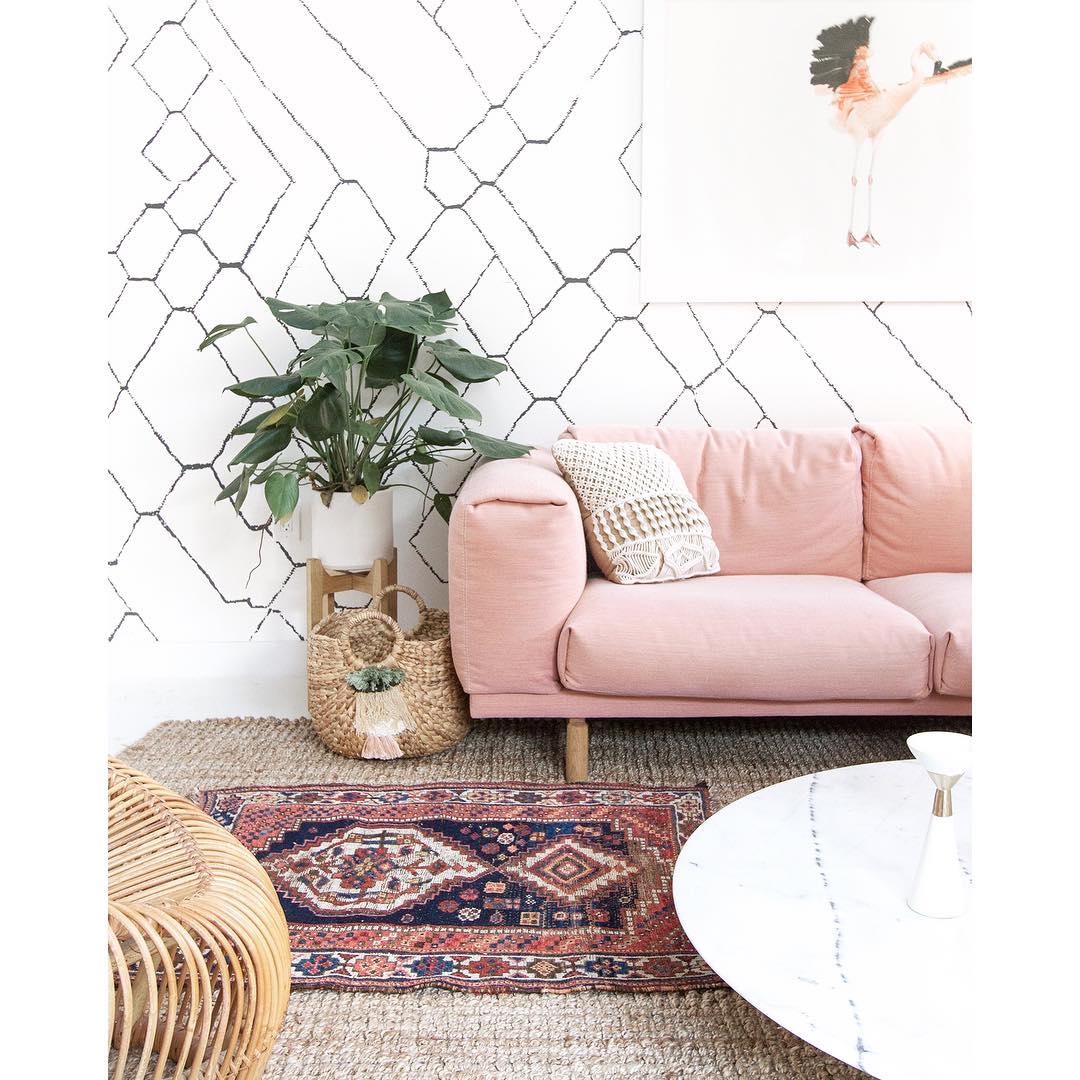
Repeating Wallpaper as the Main Decoration
Credits: Instagram
Small rooms do not automatically need small patterns. Above a couch, a repeating wallpaper design can establish rhythm across the wall, allowing the furniture to remain simple.
Compare several pattern scales using samples rather than judging only from a close photograph. A motif that seems dramatic up close might read as subtle texture from the opposite side of the room.
Consider where repeats will meet corners, outlets, and any existing trim. If you rent, confirm what the lease allows and test any removable product according to its instructions; easy removal should never be assumed.
Coordinate with the couch through one shared color rather than matching everything. Leaving the patterned wall free of extra artwork lets the repeat do its job.
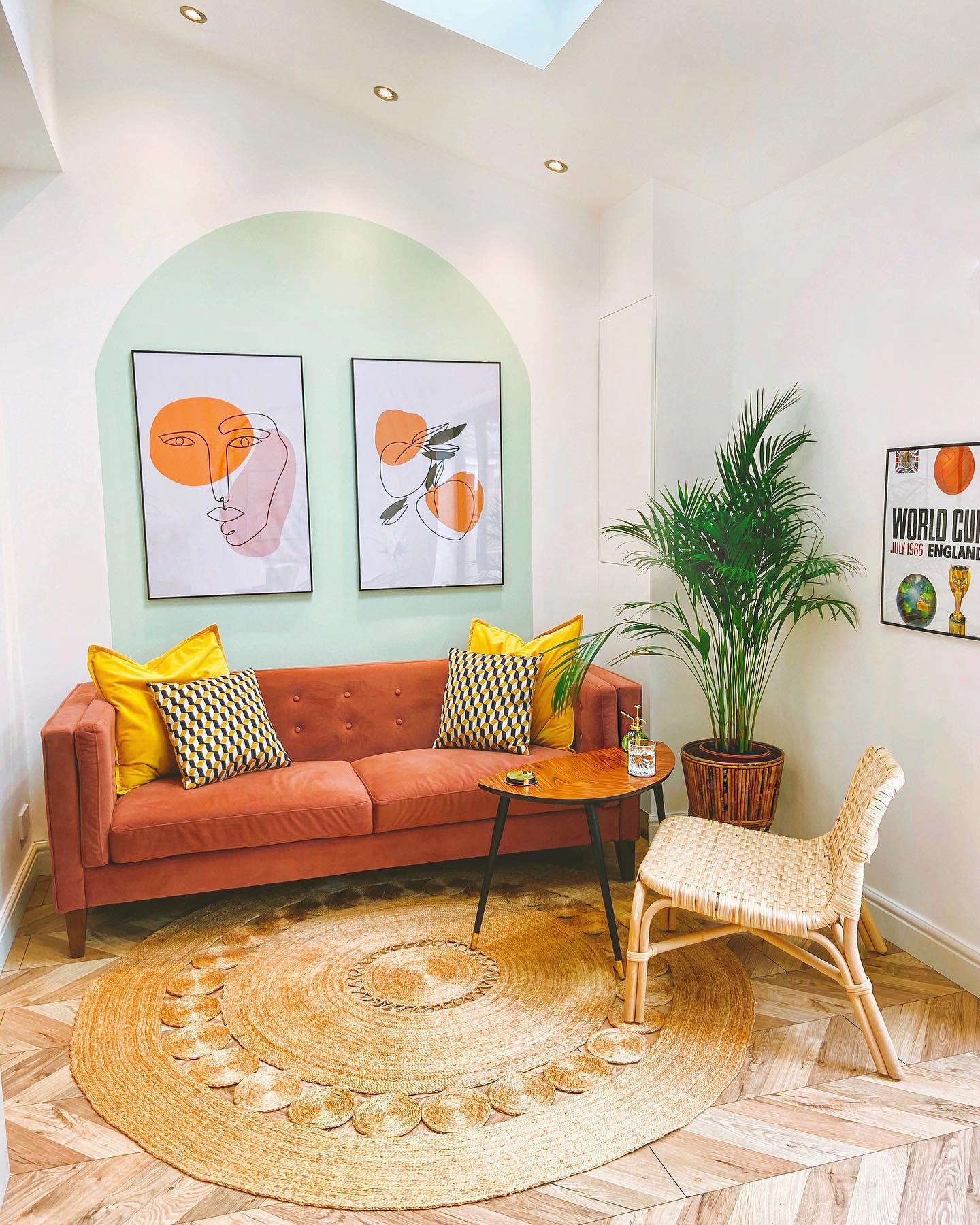
A Painted Shape That Frames the Seating
Credits: Instagram
Paint can define the sofa area even when the couch sits against a plain wall. Try a broad rectangle, softened arch, or asymmetrical block positioned around the furniture rather than automatically centered on the entire room.
Sketch the outline first and check how it relates to lamps, side tables, and ceiling height. The shape needs enough presence to look deliberate once the couch covers its lower portion.
Choose a color already present in the room for a quiet result, or introduce a contrasting shade for stronger emphasis. Test the paint on the actual wall before committing.
Crisp boundaries will make a design feel finished. This approach also leaves the surface above seated heads free of projecting objects and heavy decorations.
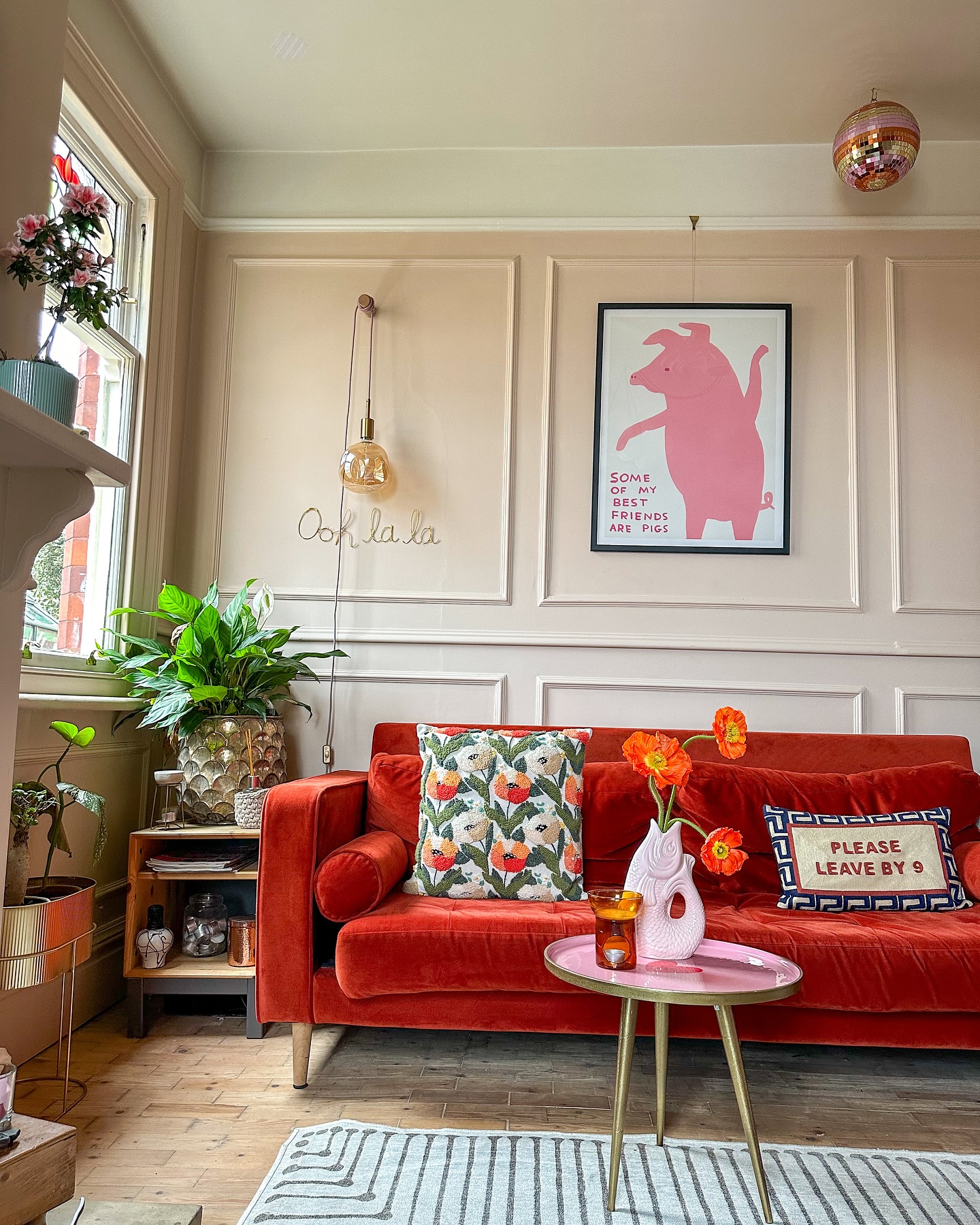
Decorative Molding in Broad Wall Panels
Credits: Instagram
Architecture can become the decoration when individual accessories feel too busy.
Applied molding arranged in broad rectangular panels offers an orderly backdrop above a couch, but its proportions need to work with the wall's existing features, including switches and door trim.
Narrow divisions may look fussy if most of their lower sections disappear behind the sofa, so sketch the furniture into your proposed layout.
Painting the molding and wall the same color emphasizes shadow and line; a contrasting finish creates a more graphic result. Check the wall condition and installation requirements with a qualified installer when needed.
Leave the panel interiors empty at first: the finished framework may provide enough detail without requiring a separate picture inside every available space.
Vertical Slats for a Textured Backdrop
Credits: Instagram
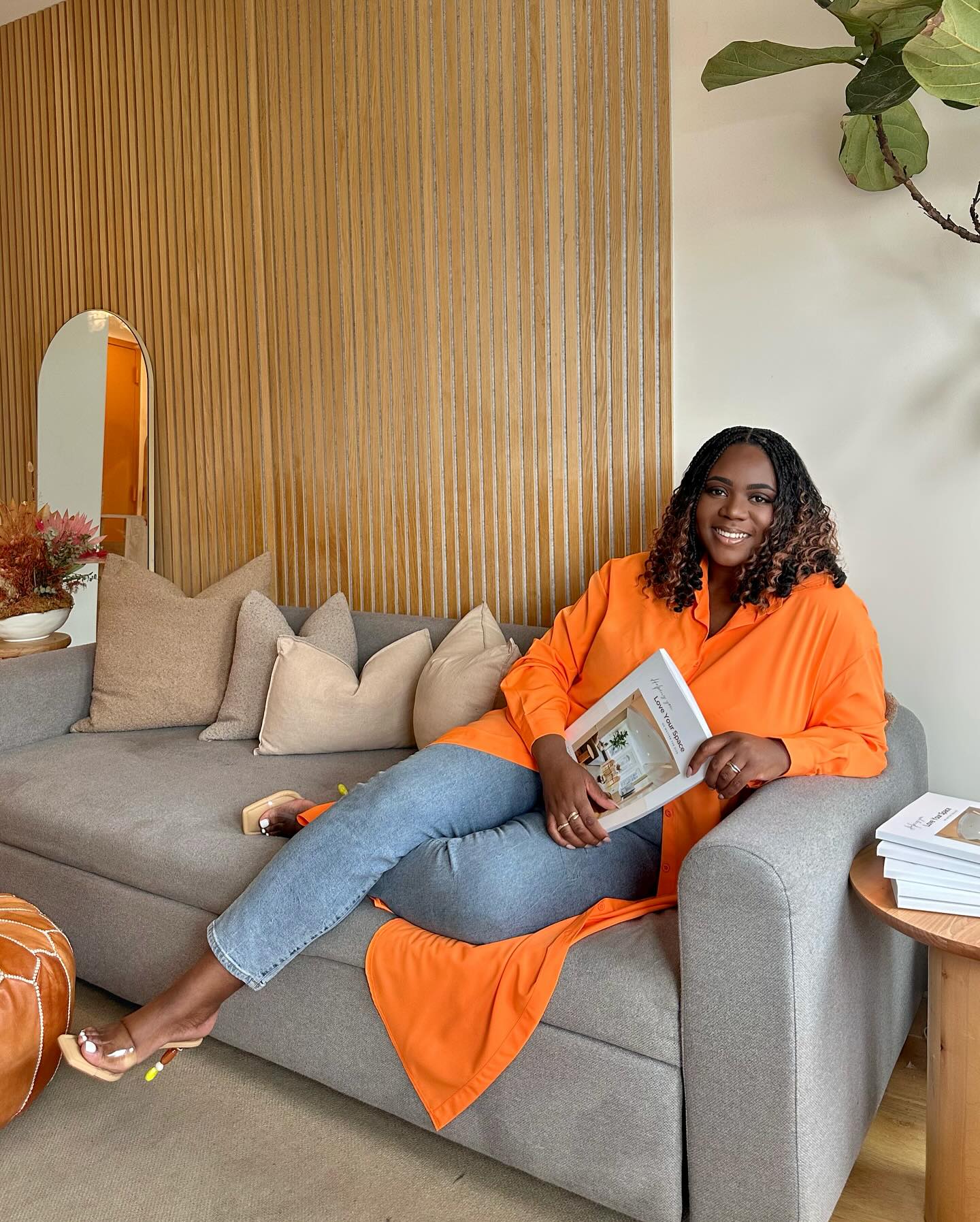
Long vertical lines can draw attention upward behind a low couch. A slatted accent section offers that effect while introducing a pattern of surfaces and shadows.
Decide whether it should extend across the wall or form a defined band around the seating area; either choice needs deliberate edges. Look at samples beside flooring and existing furniture, especially when several wood tones already compete in the room.
Closely spaced lines may feel busy, so judge the pattern from the normal viewing distance. Avoid assuming decorative slats will provide soundproofing or conceal wiring safely.
Those goals need separately specified systems and professional guidance. A simple couch silhouette and restrained accessories usually leave enough visual space to appreciate the backdrop's texture and rhythm.
A Sculptural Wall Piece With Shallow Relief
Credits: Instagram
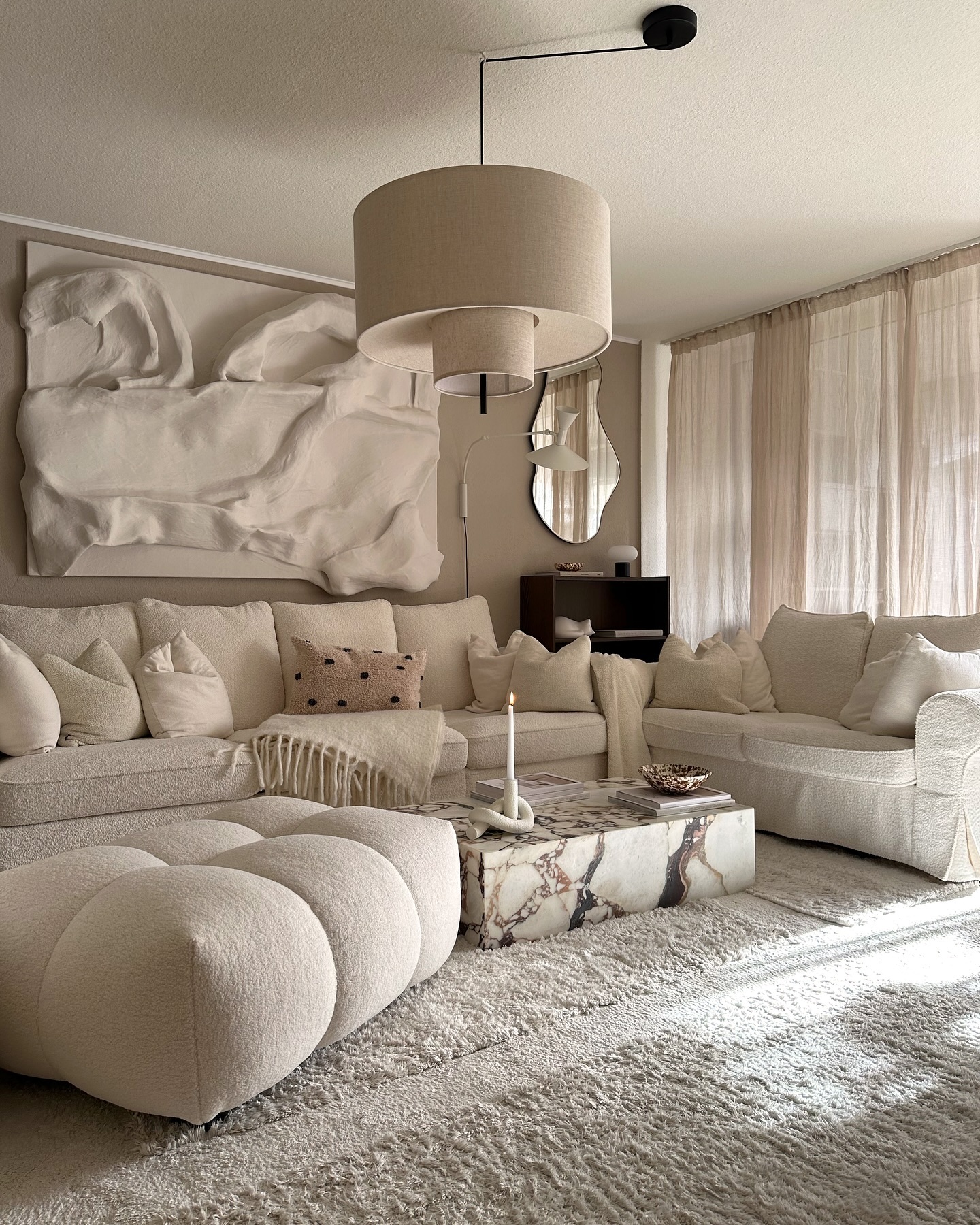
For a wall that needs dimension rather than another image, consider a sculptural piece with a shallow profile. Curving forms, folded shapes, or an abstract relief can create changing shadows as the room's light shifts.
View the piece from the side as well as the front before deciding where it belongs. Above a couch, deep projections can intrude on the space people occupy when they sit, stretch, or stand.
Favor a position and profile that preserve comfortable clearance, and have substantial pieces installed appropriately. Nearby lighting can reveal the contours without becoming a focal point.
Keep the background uncomplicated so the silhouette remains readable. A sculptural element can carry the wall more effectively than a scattering of unrelated decorative objects.
A Basket Arrangement Built Around Shape
Credits: Instagram
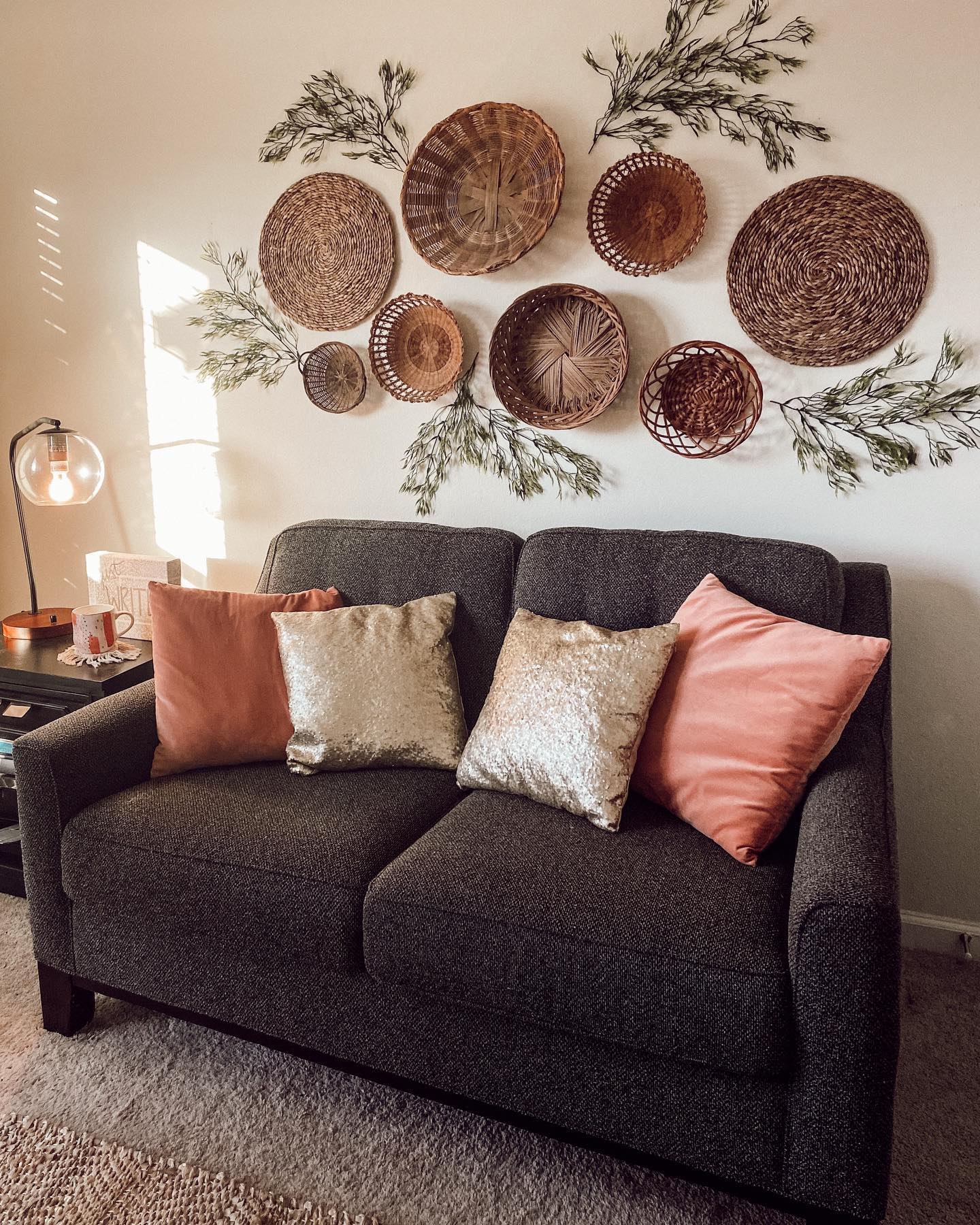
Round and oval baskets can create an informal arrangement with a different character from framed art. Select pieces for their visible profiles, weave patterns, and proportions rather than buying nearly identical examples.
Lay them out before mounting, letting a few larger shapes establish the group and smaller ones bridge the gaps. A limited palette can help the collection feel connected to the couch, even when the individual patterns differ.
Avoid spreading the baskets so far apart that they look like isolated dots across the wall. Inspect their condition and use a suitable hanger instead of assuming every basket was designed for display.
Allow access for occasional dusting. The arrangement should read as one loose composition from the room's main entrance.
Decorative Plates Mixed With Framed Art
Credits: Instagram
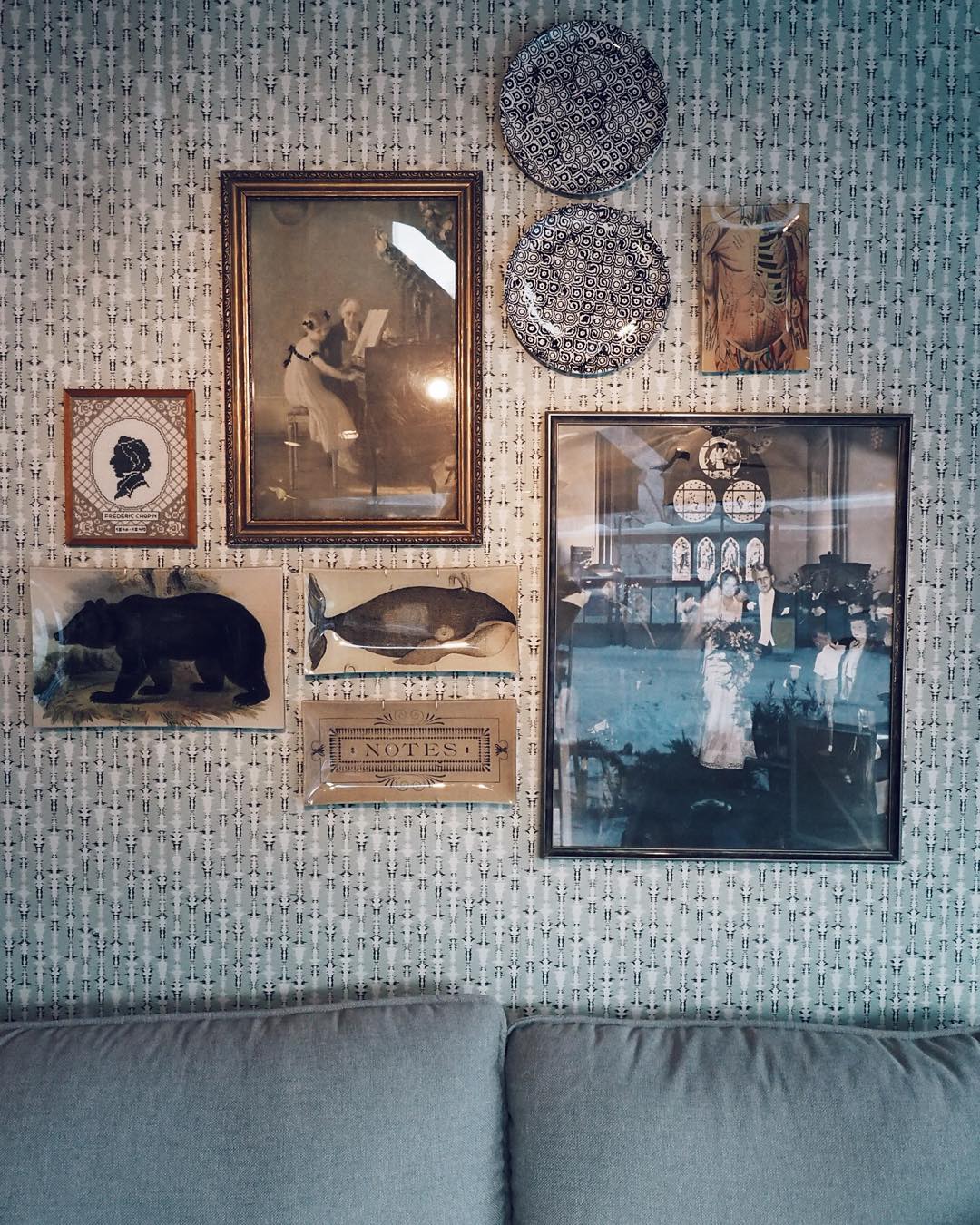
Collected plates can move beyond the dining room when their colors and motifs suit the seating area. A mixed display above the couch can combine patterned plates with smaller framed pictures, giving the eye places to pause.
Arrange everything on the floor first, paying attention to the negative space between varied shapes as much as the objects themselves. Use display hardware intended for each piece, and consider professional advice for valuable or unusually heavy items.
This is a place for mounted decoration rather than plates balanced on shallow shelves. Keep the grouping visually connected to the couch, leaving comfortable clearance for everyone seated directly below.
A restrained selection often communicates a collection's character better than displaying every piece you own.
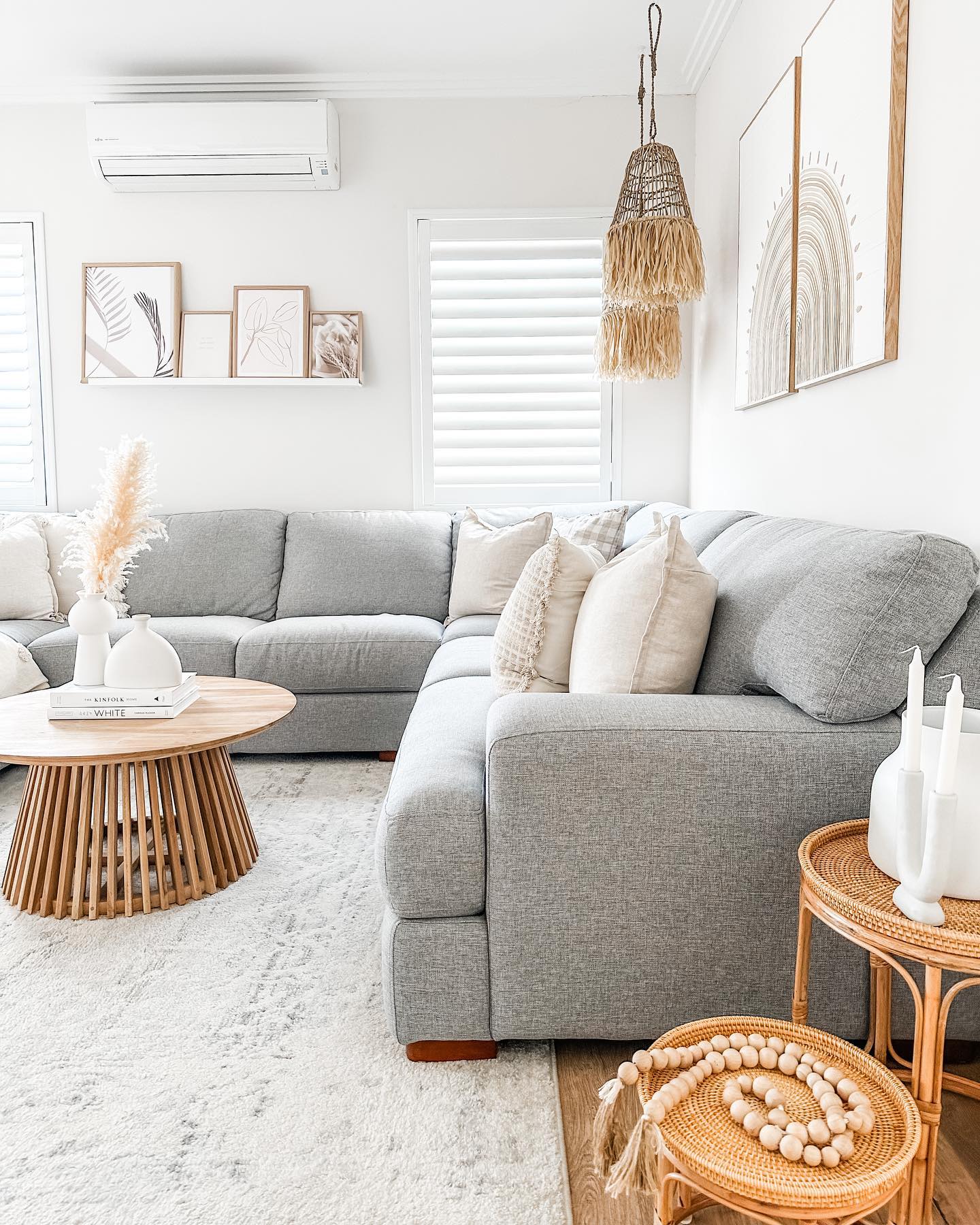
A Picture Ledge for an Easily Changed Display
Credits: Instagram
Frequent redecorators may prefer a picture ledge to a permanent arrangement of frames. It lets a selection of prints overlap, with different heights providing movement across the wall.
Start with fewer pieces than the ledge can hold so their subjects remain visible. Choose a depth and location that will not project into the space above seated heads, and follow the product's installation and load guidance.
Secure displayed pieces as needed; a retaining lip alone should not be treated as a guarantee against falling. Save heavy objects and fragile ornaments for another location.
You can refresh the composition by rotating one print rather than rebuilding everything. Repeat a color from the couch or rug to connect the display with its surroundings.
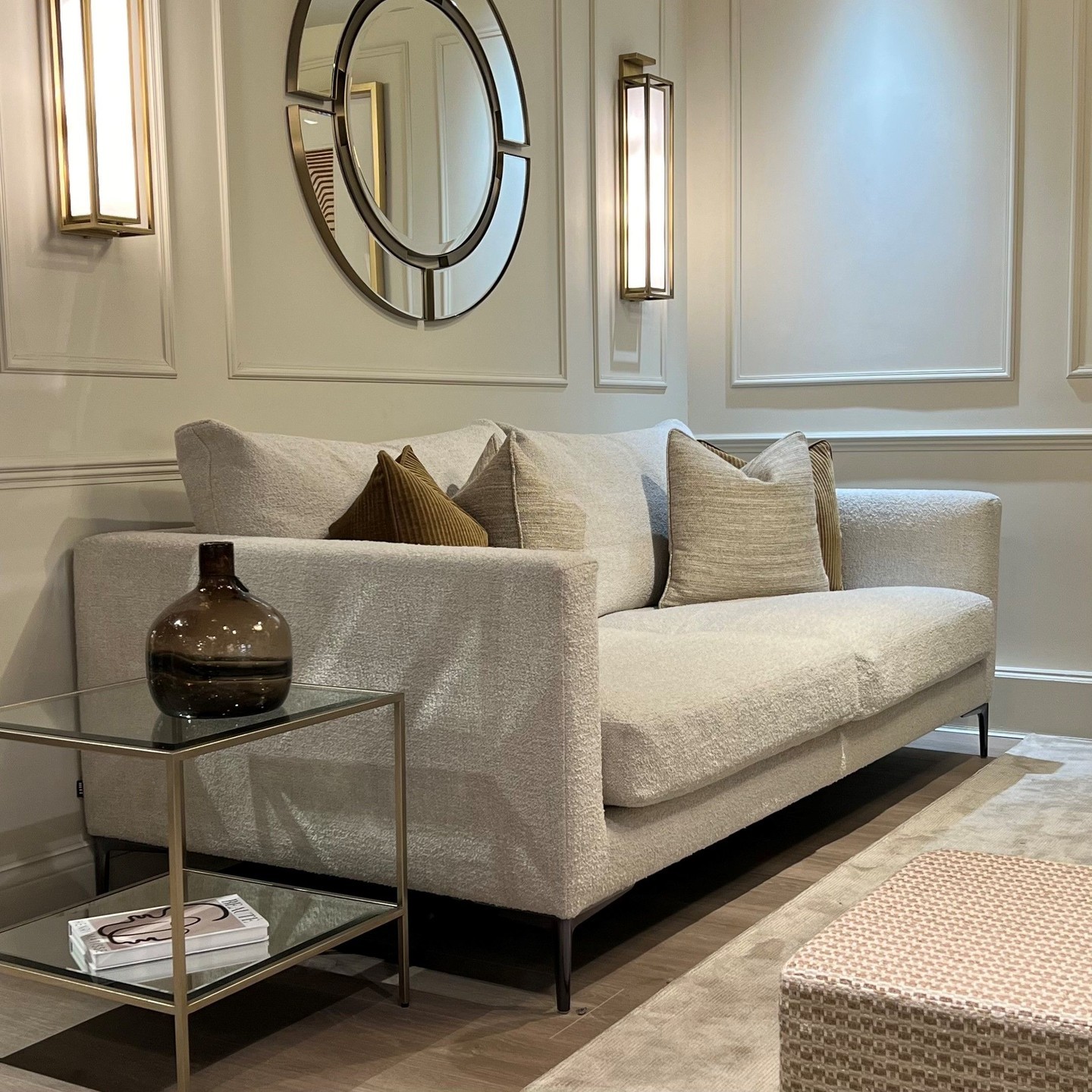
Paired Sconces That Make the Wall Glow
Credits: Instagram
Even an undecorated wall can feel intentional when lighting gives it structure. Two sconces placed around the couch can establish a composition and bring warmth to the seating area after dark.
Start with how you sit. Think about where people read, watch television, and move through the room before choosing fixtures.
Exposed bulbs may be uncomfortable near eye level, while shades or diffusers can help control direct brightness. Check how the fixtures look switched off, since they remain visible during the day.
Hardwired options need an electrician; other models still require a considered cord route. Keep controls accessible from the seats whenever practical.
With suitable spacing and proportions, the lights can carry the arrangement without a large artwork between them.
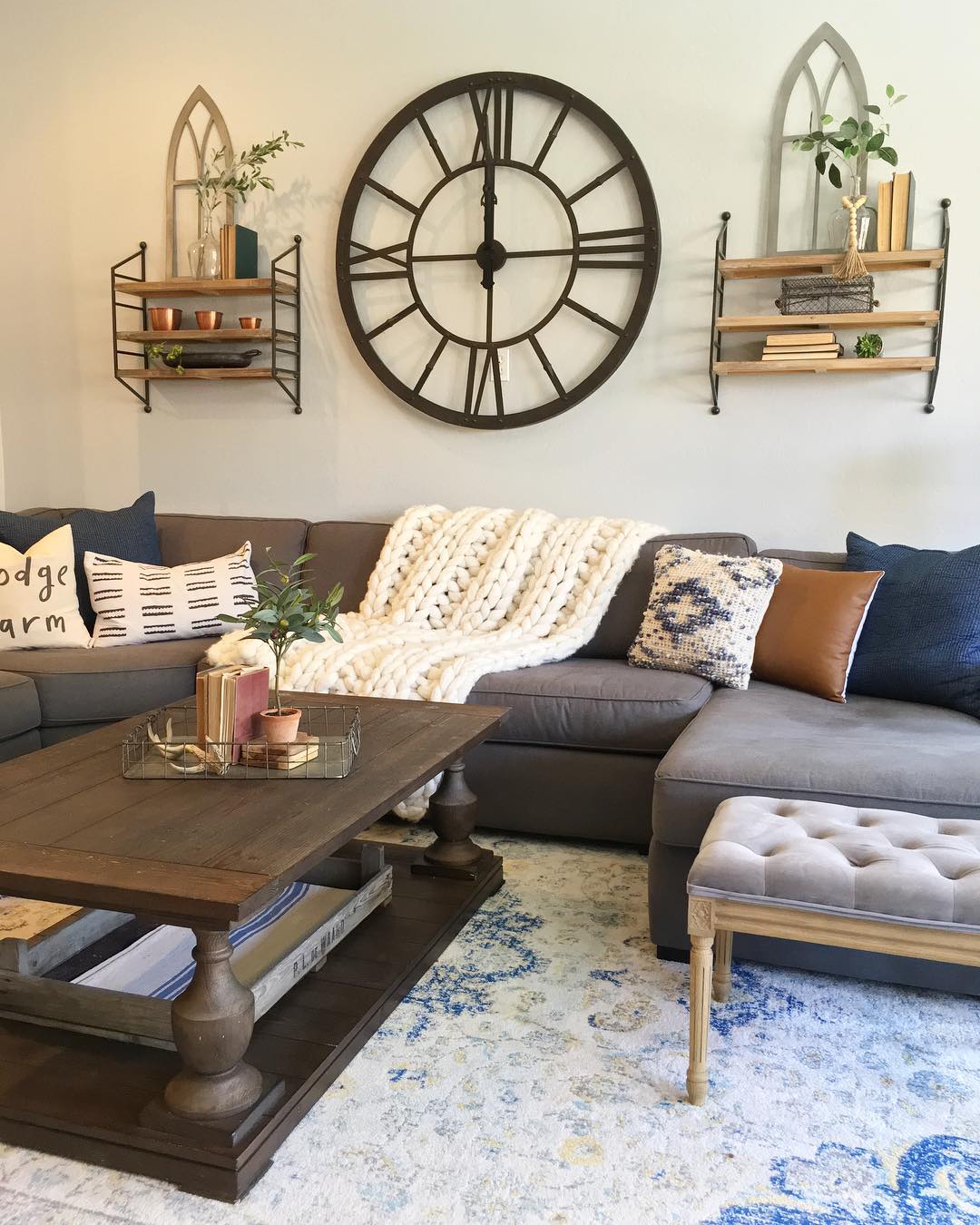
An Oversized Clock as a Useful Focal Point
Credits: Instagram
Sometimes the most useful object deserves the best position on the wall. A large clock can anchor the area above a couch while making the time readable from other seats.
Look for a face whose hands remain distinct against the background, particularly if the room has soft evening lighting. A simple design may suit patterned upholstery, while an expressive outline can give a plain couch more personality.
Check whether the mechanism makes an audible ticking sound before choosing it for a quiet living room. Plan access for adjustments or battery changes without making the mounting precarious.
Resist surrounding the clock with competing small decorations. Its scale and clear silhouette can provide enough interest, especially when its finish echoes nearby hardware.
Fabric Upholstery for a Tailored Wall

Credits: Instagram
This lounge shows how fitted fabric can bring softness to a seating area. Fitted fabric upholstery can create a tailored backdrop through broad sections, subtle seams, and a consistent textile texture.
Consider a restrained pattern or quiet solid rather than small divisions that compete with the upholstery below. Order a fabric sample to compare undertones carefully and assess how visible dust or marks might be.
Ask the supplier about cleaning, installation, and suitability for the intended room. Decorative fabric should not be assumed to deliver a specific acoustic improvement.
Keep the finished edges aligned deliberately with nearby architectural features. When the couch is already richly textured, a smoother wall fabric can preserve the distinction between the two surfaces at home.
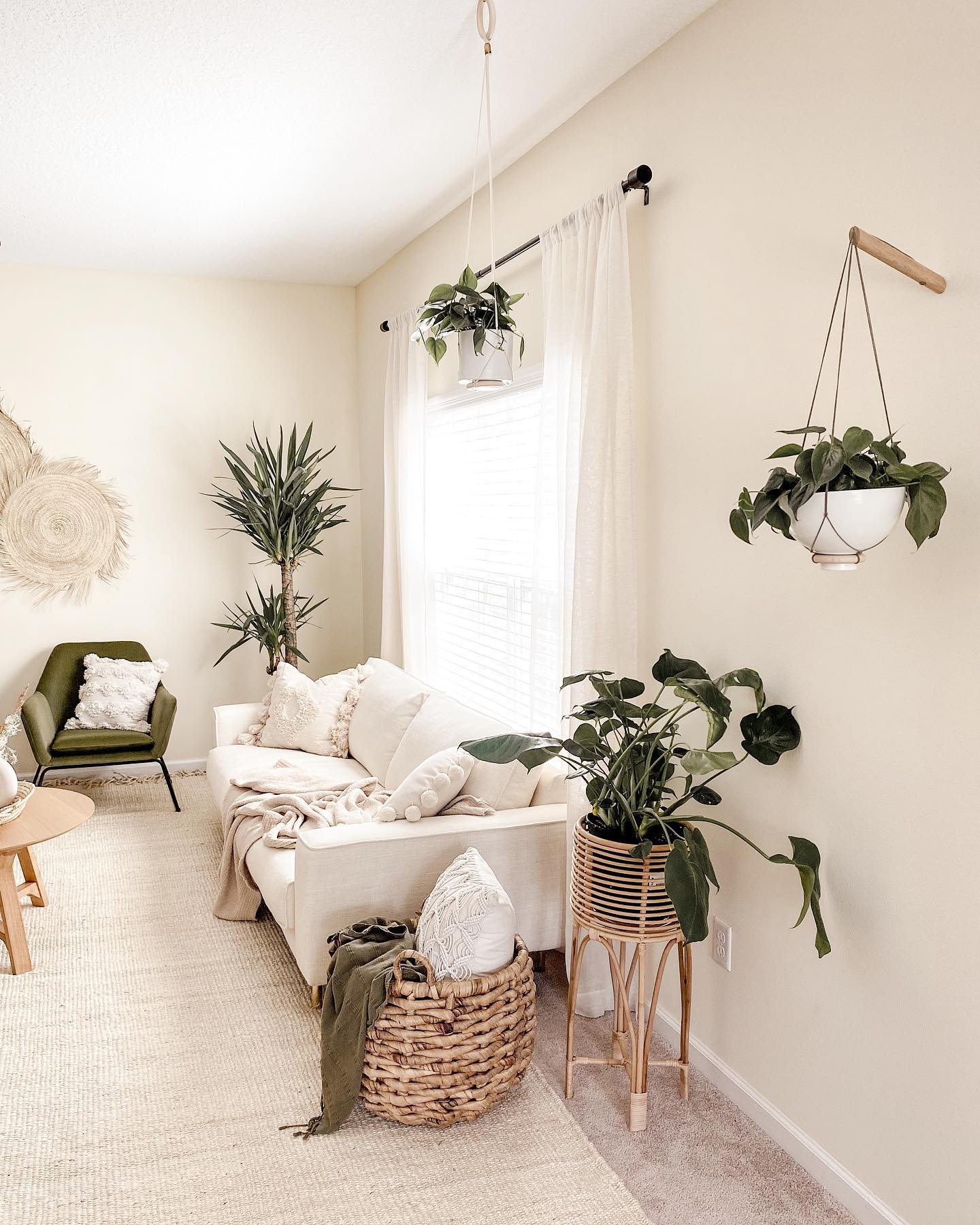
Wall Planters Positioned Beside the Sofa Arms
Credits: Instagram
Greenery can extend a seating arrangement upward without putting a planter directly over someone's head. Place wall planters toward the outer ends of the couch, leaving the central sitting area clear.
Choose plants for the actual light conditions rather than the appearance of an inspirational room. Before installing anything, think through watering, drainage, access, and protection for the wall and upholstery.
Use containers and mounting systems intended for the purpose, accounting for their filled weight. Trailing stems should not brush faces or obstruct lamps.
If children or pets share the room, check each plant's suitability before bringing it home. A small, manageable selection is more convincing than an ambitious display that cannot be reached comfortably for routine care and cleaning.
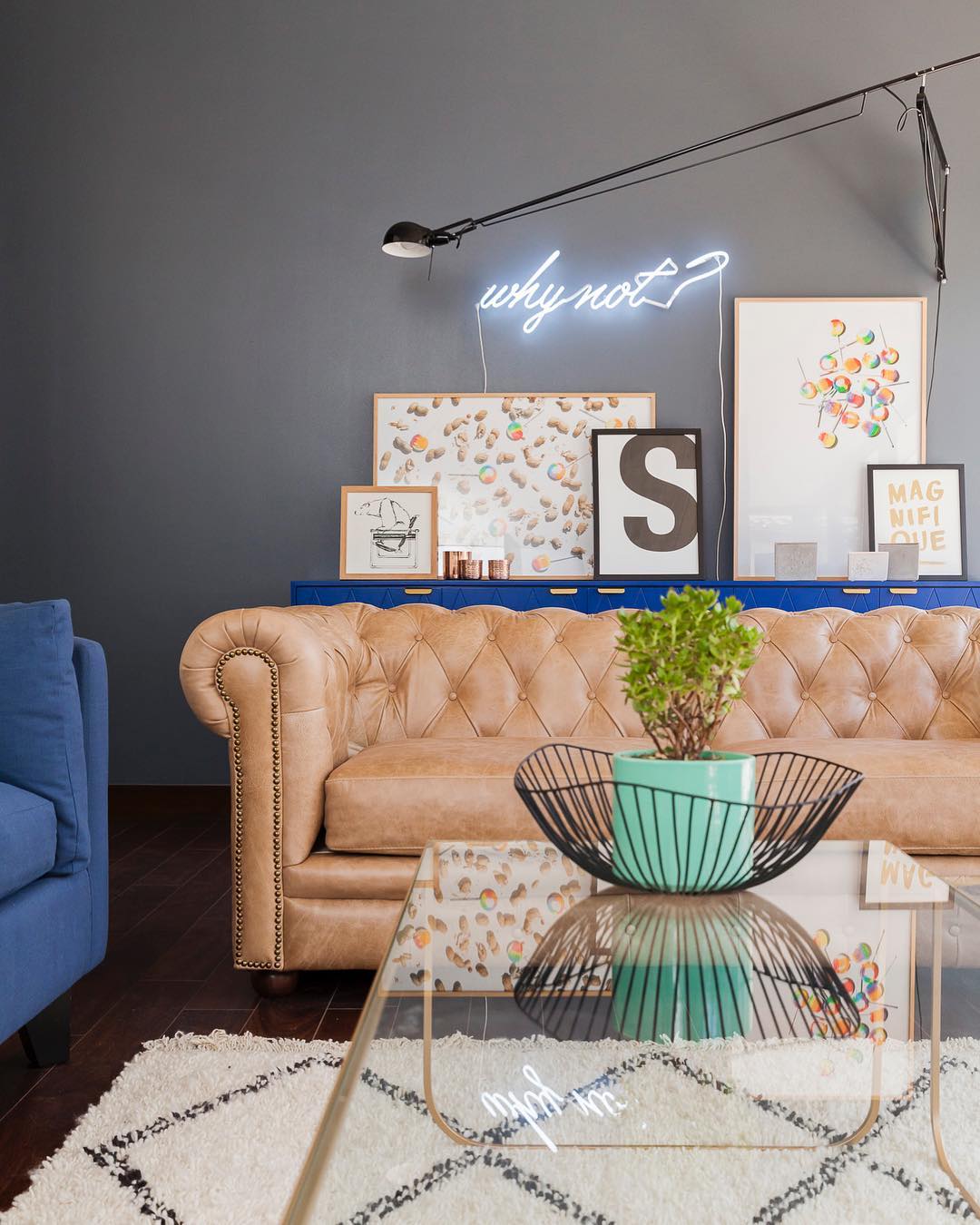
Illuminated Lettering for a Playful Accent
Credits: Instagram
A short word, meaningful phrase, or illuminated symbol can give the wall above a couch a playful identity. Choose something you will enjoy repeatedly.
Trendy slogans can grow tiresome. Consider letter size and spacing from across the room; elaborate scripts may become difficult to read at a distance.
Adjustable brightness is worth considering for a space that also hosts movie nights. Check the product's indoor use, installation instructions, and power requirements before ordering.
Plan an accessible cable route without hiding electrical components behind unsuitable materials. Let the light be the main graphic element on that section of wall.
A quieter surrounding palette can help the lettering feel integrated, particularly when its color already appears somewhere in the rug or upholstery.
A Shadow Box for a Meaningful Collection

Credits: Instagram
Objects with personal significance can become wall decor when thoughtfully arranged in a shadow box. Consider a collection of travel keepsakes, handmade pieces, or memorabilia that would otherwise stay tucked away.
Group items around a clear theme, leaving enough empty background for each object to remain recognizable. Choose a display depth that preserves comfortable clearance above the couch, and ensure both the case and its contents are secured appropriately.
Valuable or delicate objects may need advice from a framing specialist about suitable supports and protective materials. Keep glare in mind when choosing the location.
Leave access for cleaning the case regularly. The goal is to make a few meaningful objects easy to appreciate, rather than turning the wall into storage.
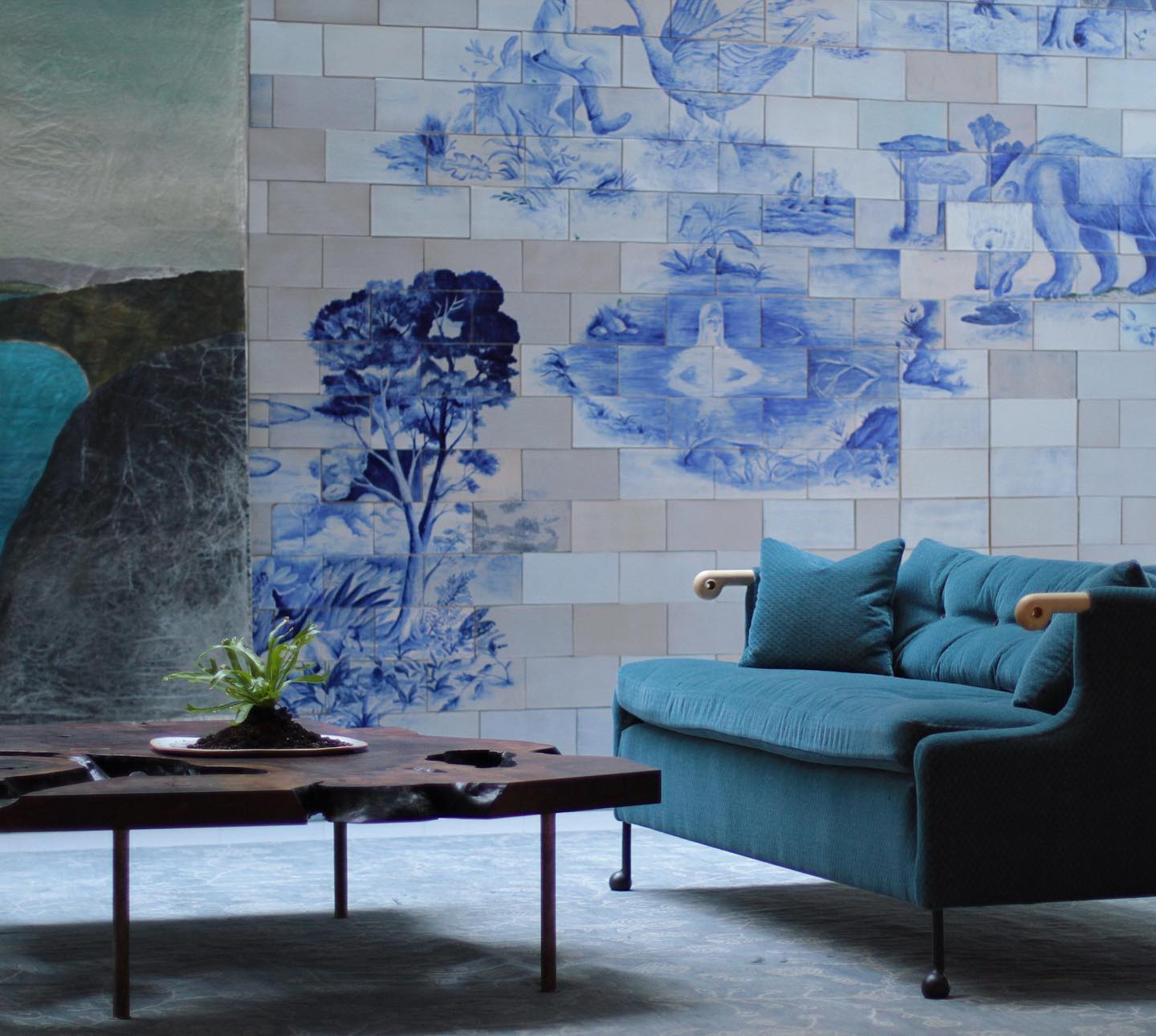
A Tile Accent Panel With Deliberate Borders
Credits: Instagram
Tile can introduce pattern and surface variation to a living room wall, especially as a defined panel behind the couch. This is a more involved project than hanging artwork, so consider the permanence of the finish before choosing samples.
Compare them beside the upholstery and flooring, deciding whether the appeal should come from color, shape, or the arrangement of joints. Ask a qualified installer about the wall's suitability, required preparation, and a finished edge that looks intentional.
Keep the panel broad enough to relate to the seating instead of resembling a leftover patch. Glossy surfaces deserve attention in evening light, when reflections may become distracting.
If you rearrange frequently, consider how the panel would relate to a different furniture layout.